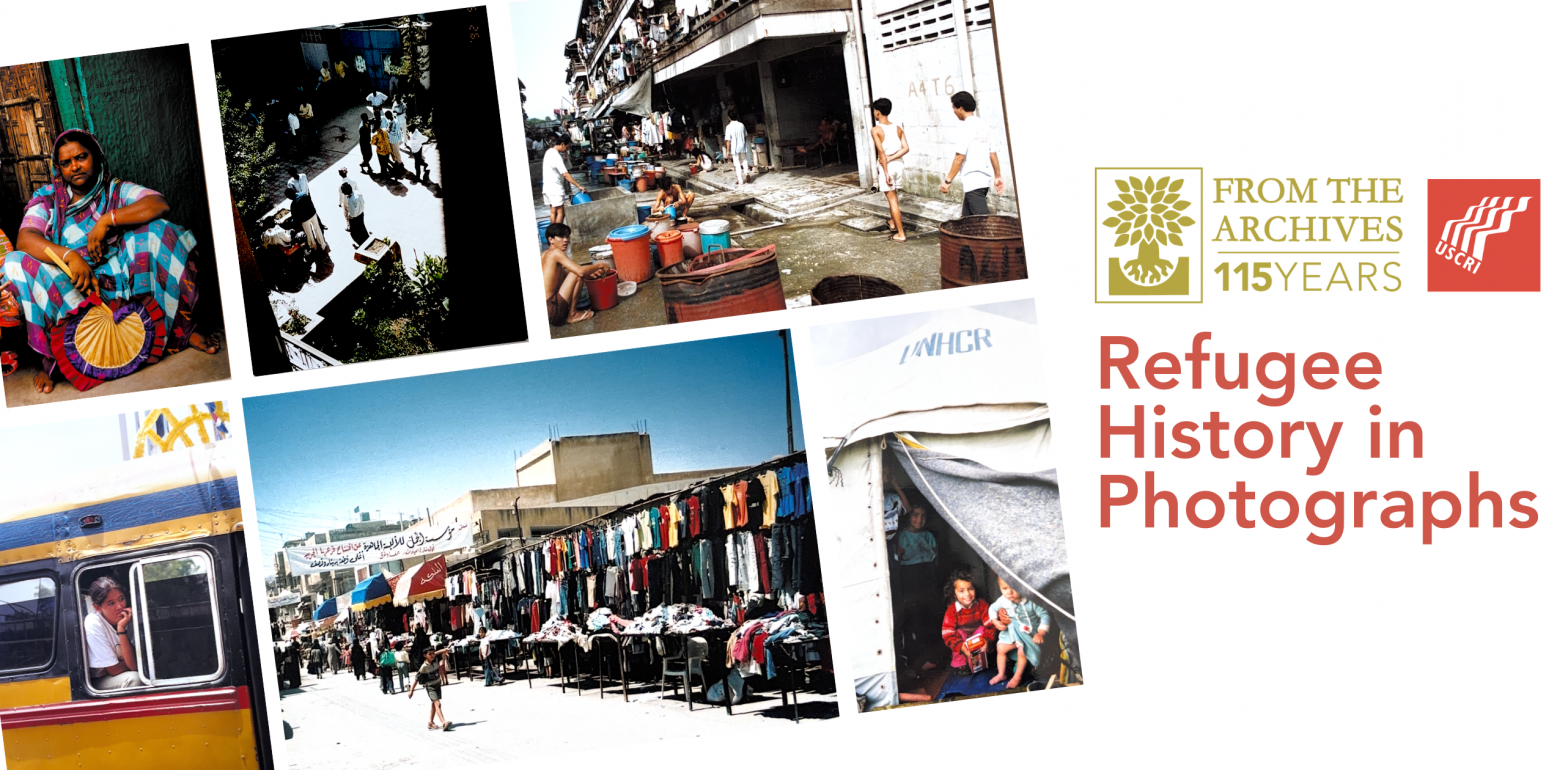
From the Archives: Refugee History...
"Let the atrocious images haunt us...The images [of suffering] say: This is what human beings are capable of doing—may volunteer...
READ FULL STORY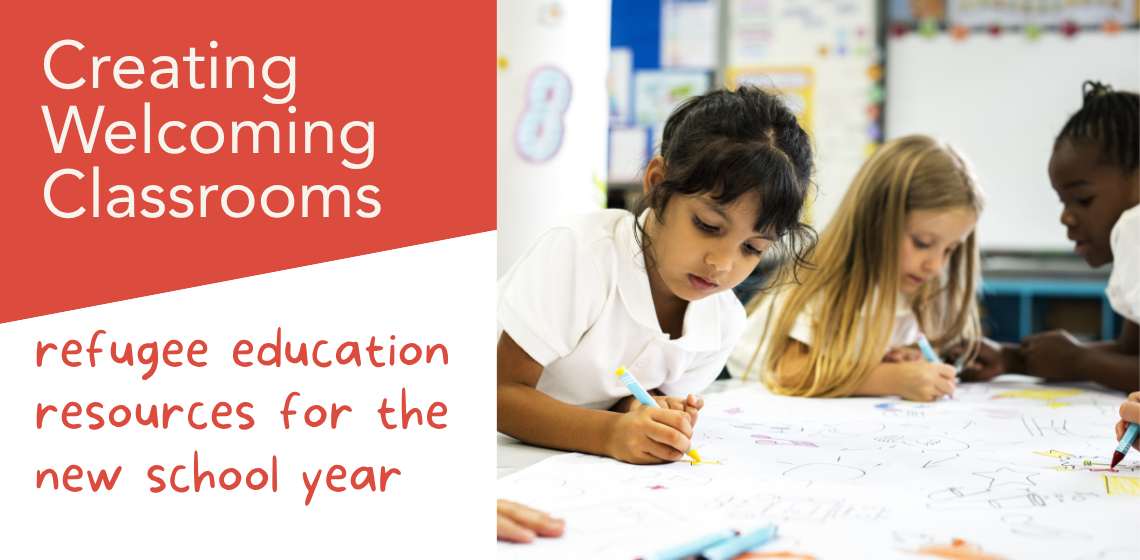
Back-to-school season is a time for fresh starts, new friendships, and opportunities to help students better understand the world around them. As classrooms become increasingly diverse, educators can foster empathy, curiosity, and a sense of belonging from the very first day of school.
One way to do that is by introducing students to the experiences of refugees and newcomers. Exploring themes of home, safety, resilience, and community helps children build understanding while encouraging kindness and inclusion toward classmates whose experiences may differ from their own.
To support these conversations, we’ve compiled a collection of elementary school resources centered on refugees, belonging, and new beginnings. The unit includes book recommendations, hands-on activities, discussion prompts, creative projects, and service-learning opportunities that help students engage with these topics in meaningful, age-appropriate ways.
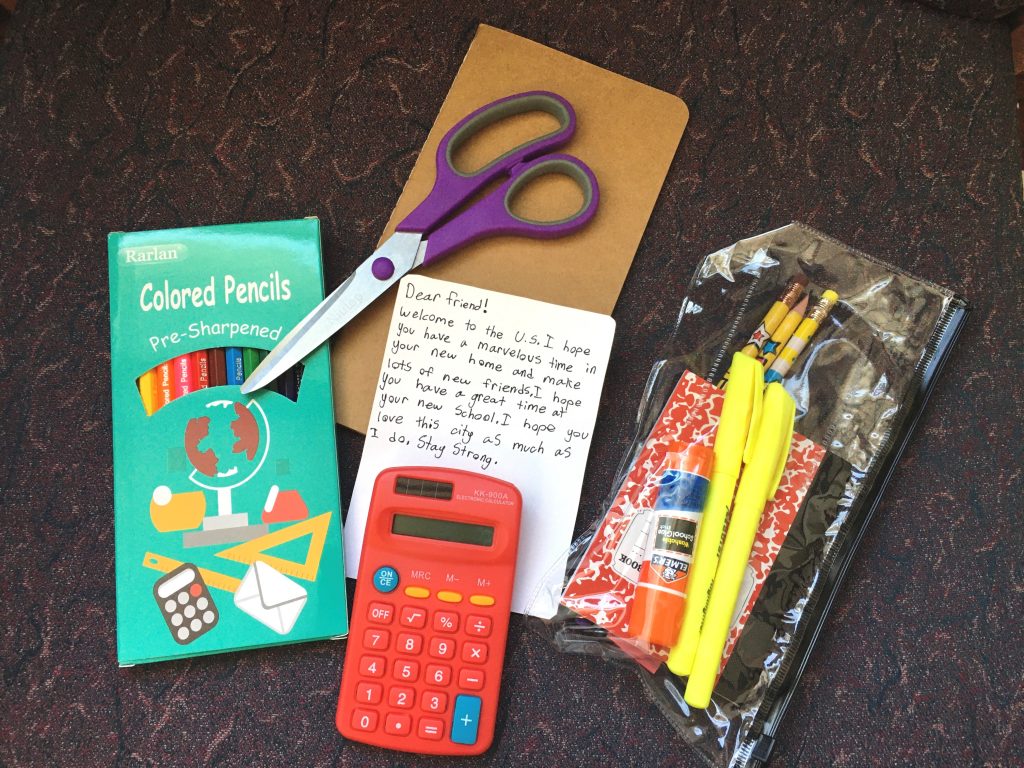
Through student-led fundraisers, donation drives, read-a-thons, or other community projects, students can turn empathy into action while supporting refugee families as they rebuild their lives. These experiences show young people that even small acts of generosity can make a meaningful difference.
Whether you’re looking for a single activity or a comprehensive unit, we hope these resources help spark thoughtful discussions and inspire students to build more welcoming communities for all.
Students will:
The following are books based on refugees’ own stories. Additional recommendations can be found here.
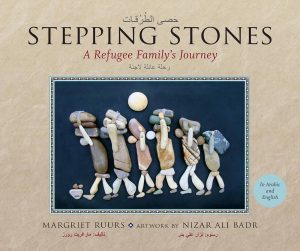
The book tells the story of Rama and her family, whose peaceful village life in Syria is shattered by war. They undertake a perilous journey to find refuge, encountering fear, hope, and solidarity. Through simple prose and symbolic imagery, Stepping Stones explores themes of migration, family resilience, and the universal longing for home.
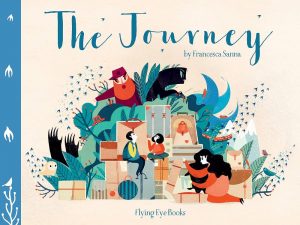
Narrated by a young girl, the story begins with an ordinary seaside life that is shattered when war arrives and the children’s father is killed. The mother decides they must escape, leading them through border crossings, smugglers, dangerous sea journeys, and long overland travel. The book explores fear, loss, and uncertainty but also hope, courage, and the sustaining love of family.
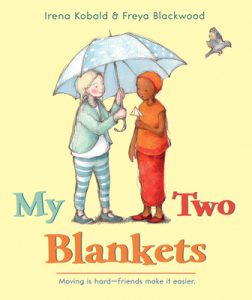
This book tells the story of a refugee from Africa who makes a new friend by sharing her language, one word at a time, gradually weaving a “second blanket” of language and belonging. The story explores themes of identity, resilience, and cultural integration.
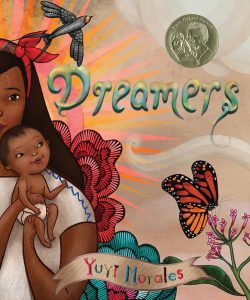
This book follows a mother and her infant son as they leave Mexico for the United States, capturing their feelings of uncertainty and wonder as they navigate a new world. The story celebrates resilience and creativity, showing how libraries and storytelling help them to find belonging.
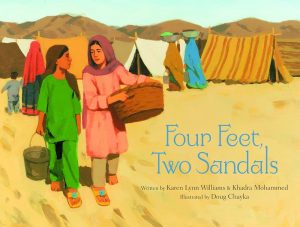
The story follows two young Afghan girls living in a refugee camp in Pakistan who share a single pair of sandals, leading to friendship and empathy. The narrative highlights everyday struggles—water collection, waiting for aid, and uncertain futures—through gentle, accessible storytelling.
Use 20 picture cards or items and ask the students to choose only five. Items might include: a sweater, family photos, umbrella, flashlight, teddy bear, bread, bottle of water, money, soap, toothbrush and toothpaste, medicine, towel, map, ball, hat, phone, medicine, spare shoes, passport, phone charger.
Discussion:
Have students identify the countries refugees come from in children’s migration stories. Alternatively, research where most refugees in your area originate.
Create a multilingual classroom banner with “Welcome” in many languages.
Inspired by Stepping Stones, students can make their own refugee stories with stones, or use painted stones to tell family stories.
Organize a fundraising project to support a refugee resettlement organization like USCRI or one of our partners. Some ideas include:
Collect items that refugees need. Check with the USCRI office closest to you, or contact us, and we will give you suggestions. Items may include:


"Let the atrocious images haunt us...The images [of suffering] say: This is what human beings are capable of doing—may volunteer...
READ FULL STORY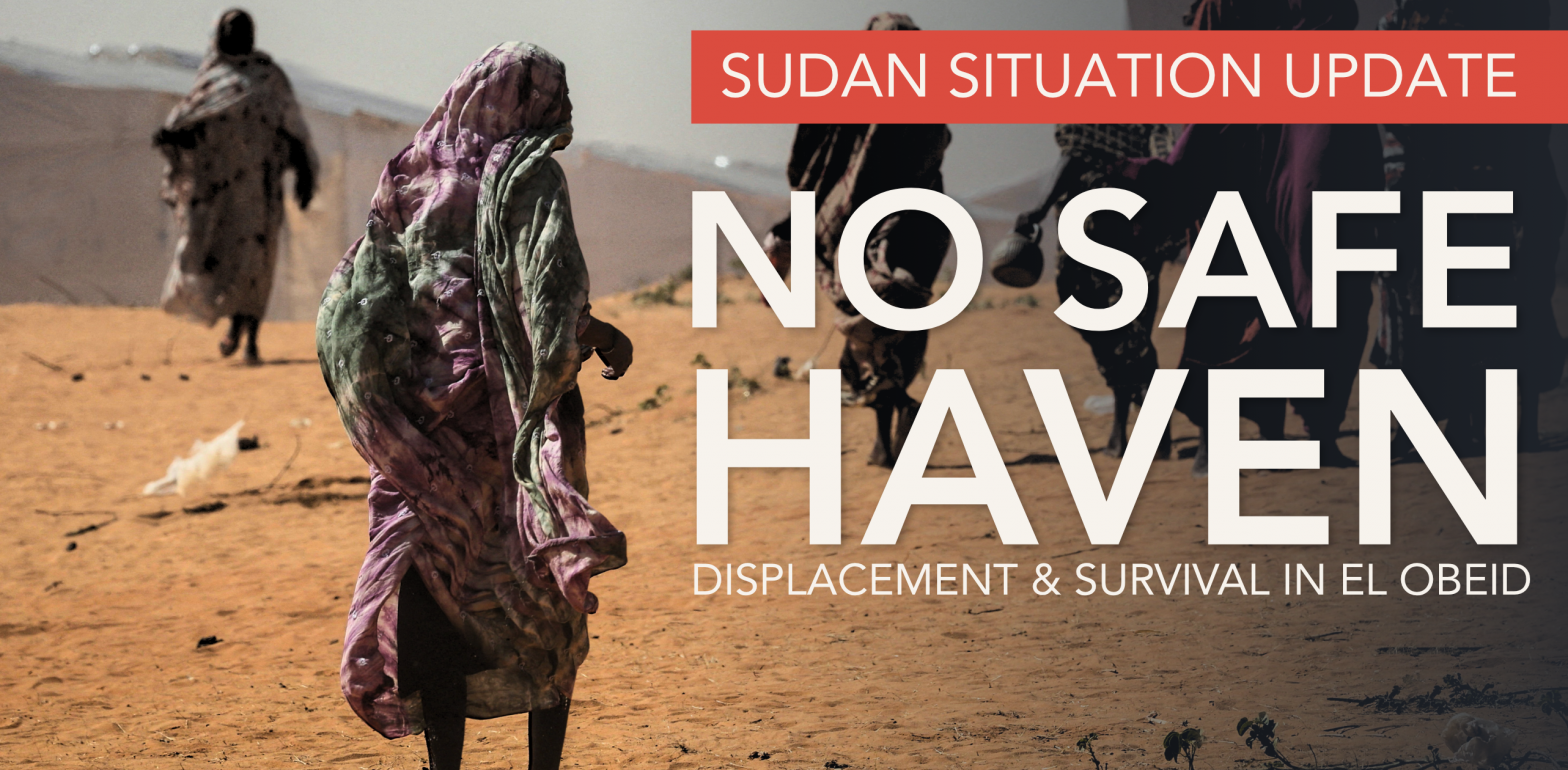
Sudan is now in its fourth year of war, and from the outset, civilians have borne the greatest costs. Since...
READ FULL STORY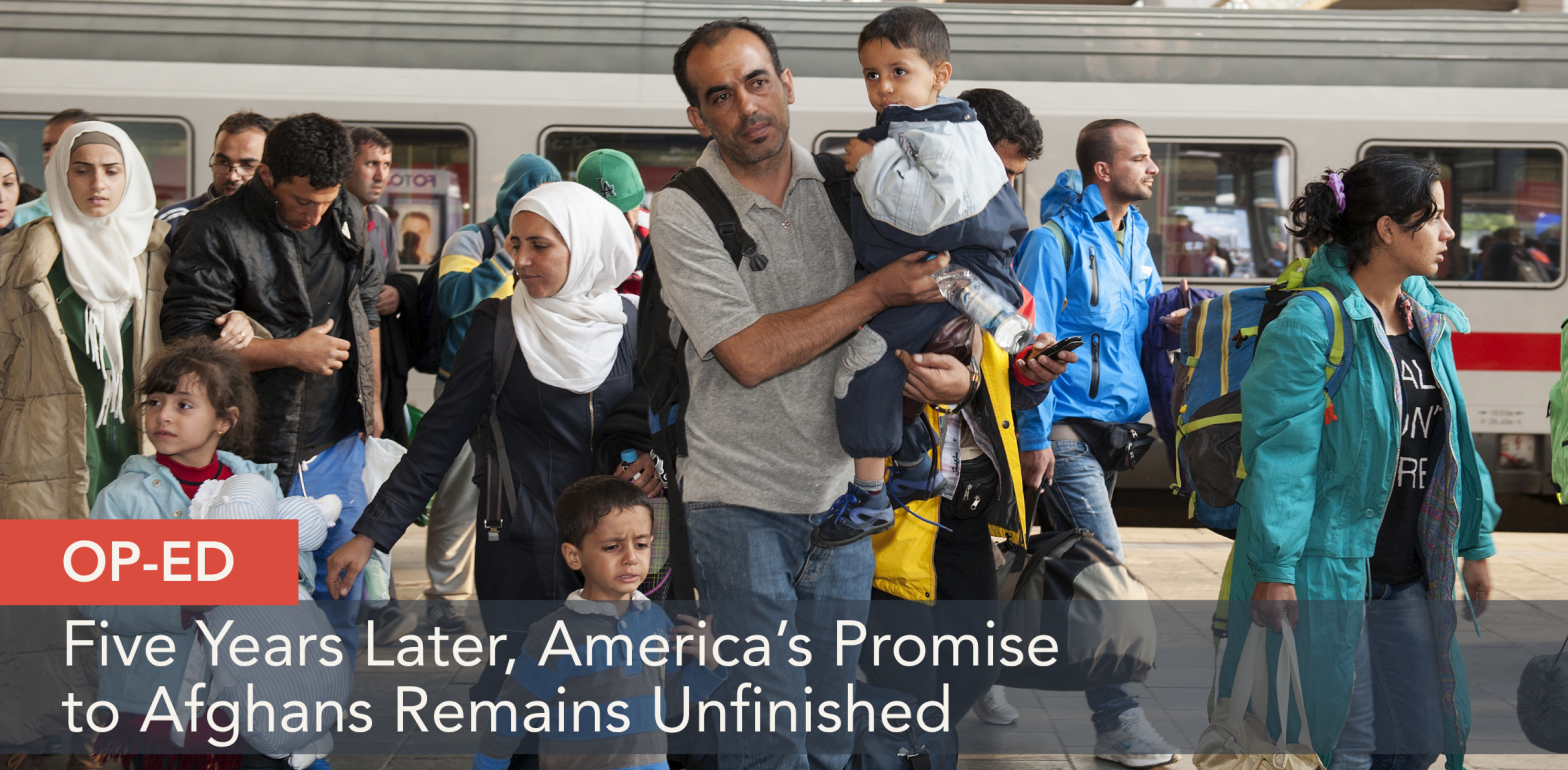
Five years ago, I turned to social media, asking people to help reunite four Afghan children with their mother in...
READ FULL STORY