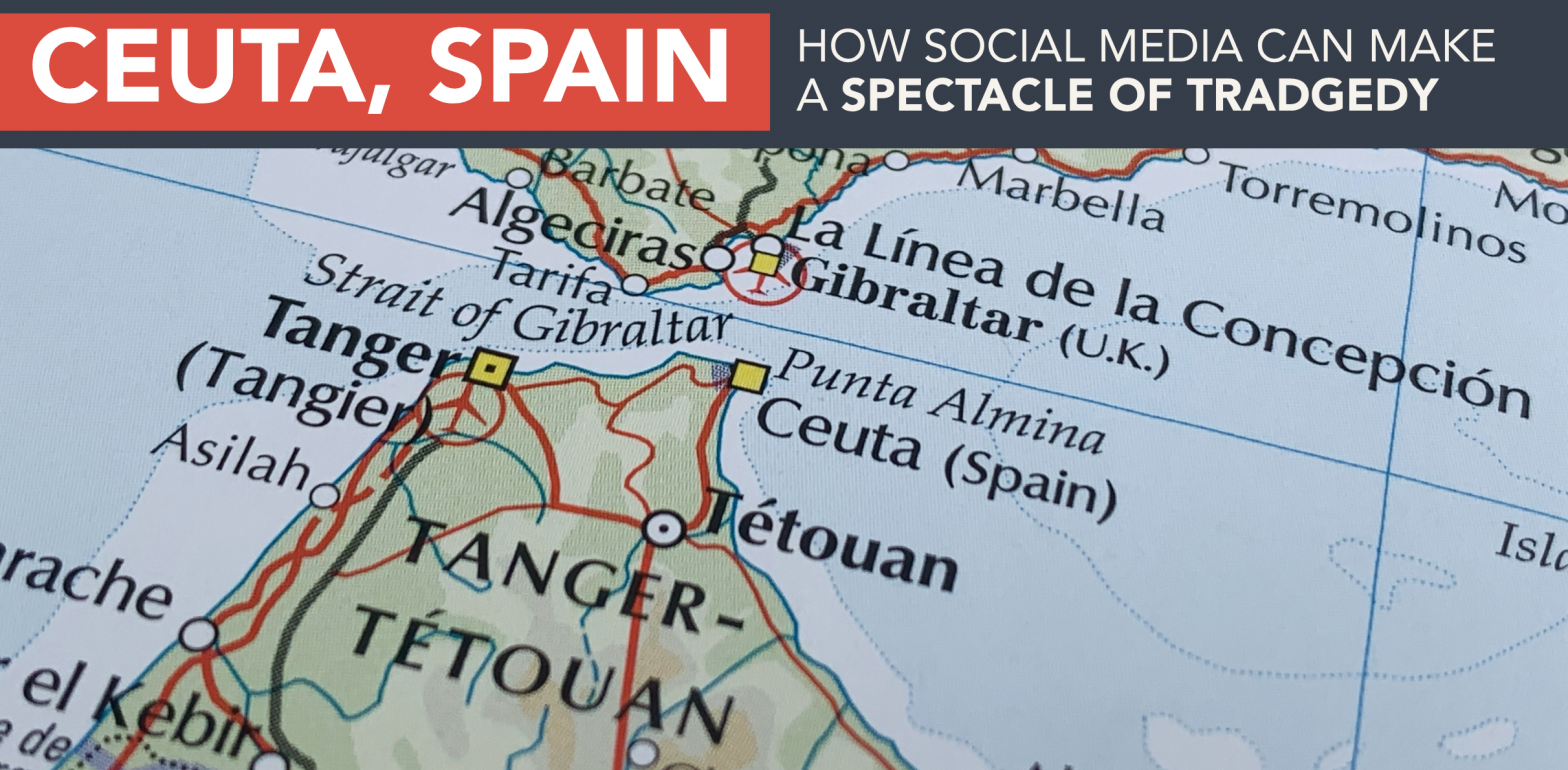
Ceuta, Spain – How Social...
In the weeks following the end of July 2026, the media has been flooded with pictures and videos of tens of thousands...
READ FULL STORY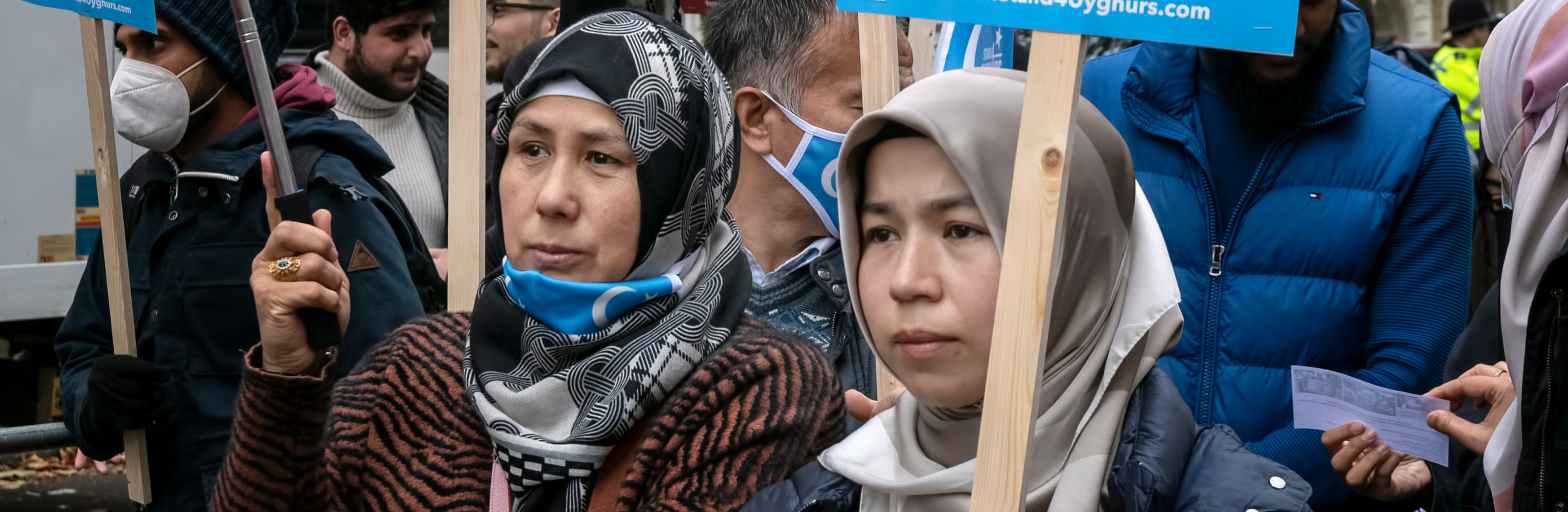
The plight of the Uyghur people, and members of other predominantly Muslim ethnic minority groups, in the Xinjiang Uyghur Autonomous Region (XUAR), and across China, has drawn international concern for nearly a decade. Various reports and evidence indicate that Chinese authorities have constructed a system of repression involving arbitrary detention, mass surveillance, forced assimilation, and coercive labor programs. The U.S. Government has described these measures as genocide, state-imposed forced labor, and crimes against humanity.
In response, the United States passed the Uyghur Forced Labor Prevention Act (UFLPA) in 2021 to prevent products linked to forced labor from entering the U.S. market. While enforcement has ramped up significantly, challenges remain in tracing complex supply chains, ensuring international alignment, and supporting survivors. This brief provides background on forced labor affecting Uyghurs, assesses the implementation of UFLPA, and offers recommendations for strengthening policy and practice.
Forced Labor in Xinjiang
Beginning in 2017, Chinese authorities initiated “vocational education centers,” which independent observers and survivor testimony describe as detention camps. More than 1 million Uyghurs and other Turkic Muslim minorities were detained without due process and subjected to ideological indoctrination, religious restrictions, and intimidation.
Investigations by the United Nations, international human rights organizations, and governments have traced forced labor to multiple sectors, including but not limited to the following:
This forced labor system is not limited to Xinjiang. Workers are routinely transferred thousands of miles to other parts of China, often under constant surveillance, where they remain isolated from their communities and families.
USCRI, founded in 1911, is a non-governmental, not-for-profit international organization committed to working on behalf of refugees and immigrants and their transition to a dignified life.
For inquiries, please contact: [email protected]


In the weeks following the end of July 2026, the media has been flooded with pictures and videos of tens of thousands...
READ FULL STORY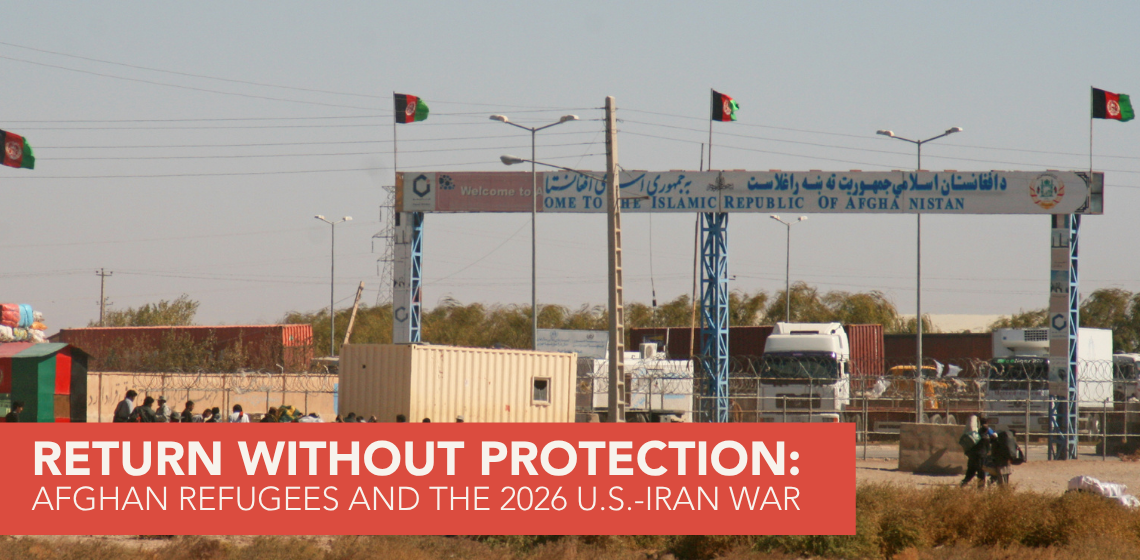
Edited by William Evans, Policy Analyst In February 2026, when the U.S.-Iran War first broke out, military and geopolitical dimensions...
READ FULL STORY
Today, USCRI is proud to launch Their Future, Their Voice: Centering Displaced Children in Global Protection and Policy, a new...
READ FULL STORY