Third Country Deportations Tracker
This page compiles publicly available information on third country deportations from the United States, and Asylum Cooperative Agreements (ACAs) and their impact on asylum seekers. It covers U.S. law on asylum and safe third countries, ongoing litigation, and country-specific agreements. If you have information to add, suggestions for coverage, or questions, please contact us below.
Last updated: March 12, 2026
This tracker documents U.S. third country deportations to countries in Africa and Asia and asylum cooperative agreements across the world.
Third Country Deportations Intro
Third country deportations are deportations of an individual to a country that is not their country of nationality or their last country of habitual residence. Since February 2025, third country deportations have been systematically pursued as an immigration enforcement tool in the United States. The practice often results in torture, cruel treatment, arbitrary detention, and other serious human rights abuses.
The U.S. scheme is not the only third country deportation scheme proposed or in place around the world. However, it is distinct in several ways, from the lack of advance notice provided to noncitizens prior to deportation, denial of a meaningful opportunity to challenge the deportation, to the withdrawal of responsibility of the individual post-deportation. The United States is also deporting people with humanitarian-based protections in direct contravention to both U.S. and international law.
The Agreements: The Executive Branch has pursued agreements with numerous countries to accept third country deportees. In exchange for accepting non-nationals, foreign governments have in return received money, visa restriction lifts, and other favorable treatment from high level officials in government. Most of these agreements are not made public.
Taken from U.S. Soil: Those subject to third country deportation are individuals who have been arrested by U.S. immigration enforcement from their homes, communities, or jobs. Others have been arrested when they showed up for mandatory U.S. Immigration and Customs Enforcement (ICE) check-ins or court hearings. Some were in immigration detention, which is another immigration enforcement tool that has been used increasingly been used illegally to detain people without reasonable suspicion.
In many cases, individuals do not receive notice of their deportation or their final destination country before being boarded onto a flight. If individuals receive notice, it is usually in English, even if the individual cannot understand the language. Individuals subject to third country deportation typically have no choice in where they are sent, a practice that raises serious due process and human rights concerns, particularly when the receiving country may not be safe. Flights leaving the United States may stop in transit on U.S. occupied soil or another country before arriving in the country that agreed to accept third country deportees.
Landing in an Unfamiliar Country: In almost every case, individuals have no ties to the third country. It is neither their country of nationality nor the country where they last resided. It may even be their first time on the continent.
Upon landing, the individuals are subject to the laws and policies of the third country. Once individuals leave U.S. airspace, the United States withdraws all responsibility. In a third country, individuals are at increased risk of chain refoulement, or removing a noncitizen to a third country who then removes the noncitizen to a country where they face risk of harm, torture, or persecution. The third country may have already started the process of facilitating their voluntary or forced returns to their country of origin. In some cases, the third country may not have strong diplomatic ties with a deported individual’s country of origin, further complicating the individual’s return.
In the meantime, individuals have been forcibly detained in airports, prisons, and military camps in the countries in which they have been deported. Although many of the countries have laws for refugees and asylum seekers, those rights do not seem to be afforded to individuals who may be forcibly returned to a country where they fear persecution or torture without notice and without a meaningful opportunity to challenge the return.
Legality: While the Immigration and Nationality Act (INA) and other U.S. law does not absolutely prohibit third country deportations, there are safeguards that the U.S. federal government must follow. Deporting any noncitizen to a place where their life or freedom would be threatened violates domestic and international law. Deporting certain humanitarian immigrants, including refugees and asylees, disregards the protections Congress intended when it passed the Refugee Act of 1980.
The below chart outlines U.S. law around third country deportations for certain categories of noncitizens.
Chart 1. U.S. Law on Third Country Deportations
| Noncitizen Category | Third Country Deportations |
|---|---|
| Applies to all of the categories below |
Before any removal, constitutional guarantees and safeguards must be afforded to noncitizens. The United States may not remove noncitizens to any country where their life or freedom would be threatened because of their race, religion, nationality, membership in a particular social group, or political opinion. The United States may not remove noncitizens to a country where they would be tortured.
Sources: 8 U.S.C. § 1231(b)(3); 28 C.F.R. § 200.1 |
| Asylum Applicant |
May be sent to a “safe third country,” pursuant to a diplomatic agreement with assurances that the individual’s life or freedom would not be threatened on account of race, religion, nationality, membership in a particular social group, or political opinion. Once deported, the individual would have access to claim asylum or equivalent temporary protection in that country. The United States has had a safe third country agreement with Canada since 2002. Recently, new agreements have been signed with countries around the world. Jump to section “Asylum Cooperative Agreements.”
Source: 8 U.S.C. § 1158(a)(2)(A) |
| Asylee (Asylum Granted) |
Third country deportations are not allowed before a formal termination of asylum status is final. A grant of asylum is for an indefinite period of time. An asylee is authorized to stay and work in the United States. An asylee is eligible to apply for a green card after one year of residence in the United States. Sources: 8 C.F.R. 1208.14(e); 8 U.S.C. § 1158(c)(1) |
| Asylee Grant Terminated |
In order for an asylee to be deported, the U.S. Department of Homeland Security (DHS) must pursue a formal termination of asylum status. There must be a reason for termination, such as a fundamental change in country conditions or the asylee is a danger to national security. DHS must provide adequate notice of a request to reopen a case in immigration court. An immigration judge must exercise their discretion in granting the motion to reopen. During the proceedings, the asylee is granted the right to be represented. If an immigration judge finds sufficient grounds for termination, the individual may be removed to a third country pursuant to a diplomatic agreement with assurances that the individual’s life or freedom would not be threatened on account of race, religion, nationality, membership in a particular social group, or political opinion. The individual must be eligible to receive asylum or equivalent temporary protection in the third country.
Source: 8 U.S.C. § 1158(c)(2) |
| Withholding of removal |
A grant of withholding of removal does not afford an individual the level of permanency or family reunification as asylum. A grant of this status means that the individual cannot be returned to their country of nationality or place of last residence where their life or freedom would be threatened. Multiple courts have held that noncitizens cannot be removed to a country that was not designated by an immigration judge as a possible country for removal. In order to propose another country for removal, proper notice and an opportunity to be heard must be afforded to the noncitizen. In order to ensure compliance with the Convention against Torture (CAT), of which the United States is a signatory, the Secretary of State must receive assurances from the country’s government that a noncitizen would not be tortured. The Secretary must ensure that assurances are sufficient enough that the deportation would be consistent with Article 3 of the CAT. Sources: 8 U.S.C. § 1231(b)(3); 8 C.F.R. §§ 1208.16(f), 1208.17(a); 28 C.F.R. § 200.1; Andriasian v. INS, 180 F.3d 1033, 1041 (9th Cir. 1999); Kossov v. INS, 132 F.3d 405, 408-09 (7th Cir. 1998); El Himri v. Ashcroft, 378 F.3d 932, 938 (9th Cir. 2004); Aden v. Nielsen, 409 F. Supp. 3d 998, 1004 (W.D. Wash. 2019) |
| Convention against Torture (CAT) relief |
A grant of relief under CAT does not afford an individual the level of permanency or family reunification as asylum. An individual could be granted withholding of removal or deferral of removal under CAT. DHS must seek a formal termination of this status before removing a noncitizen through filing a motion, providing notice, and a hearing. The noncitizen must have an opportunity to submit additional evidence. The immigration judge must make a de novo determination as to whether the noncitizen’s case warrants CAT relief. In order to remove an individual to a third country, the Secretary of State must receive assurances from the country’s government that a noncitizen would not be tortured. The Secretary must ensure that assurances are sufficient enough that the deportation would be consistent with Article 3 of the CAT.
Sources: 8 U.S.C. § 1231(b)(3); |
| Any other noncitizen ordered removed |
For any other noncitizen ordered removed, immigration officials must first allow the noncitizen to designate a country for removal. The Attorney General cannot ignore the noncitizen’s designation, unless they fail to designate a country promptly, the designated country refuses to accept the noncitizen, or removal to the designated country would be prejudicial to the United States. After exhausting the possibility of removal to the designated country, a noncitizen may be removed to an alternative country, including:
After exhausting those options, a noncitizen may be removed to another country that will accept the noncitizen. Sources: 8 U.S.C. §§ 1231(b)(2)(E), (b)(3)
|
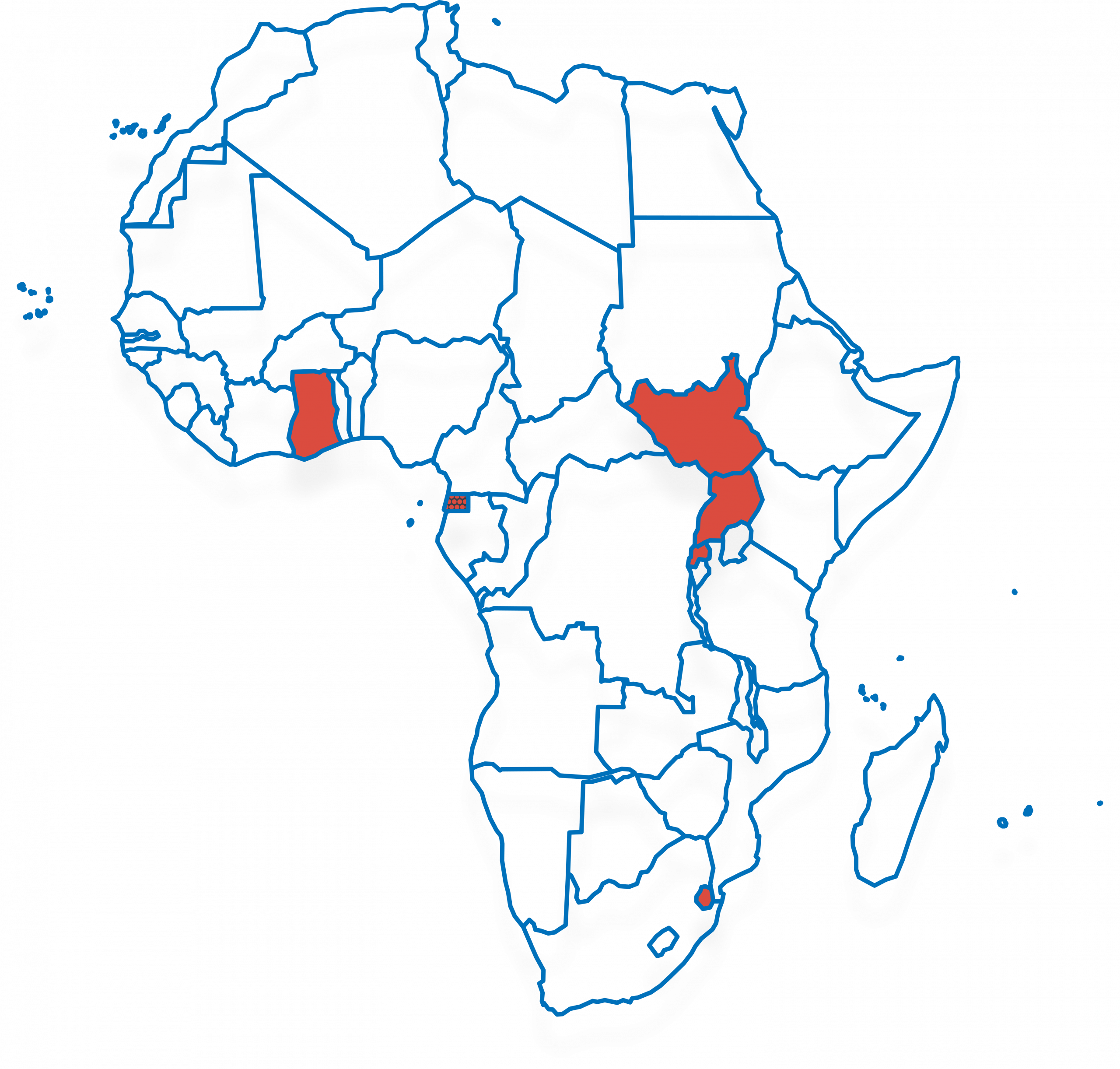
Countries in Africa
South Sudan
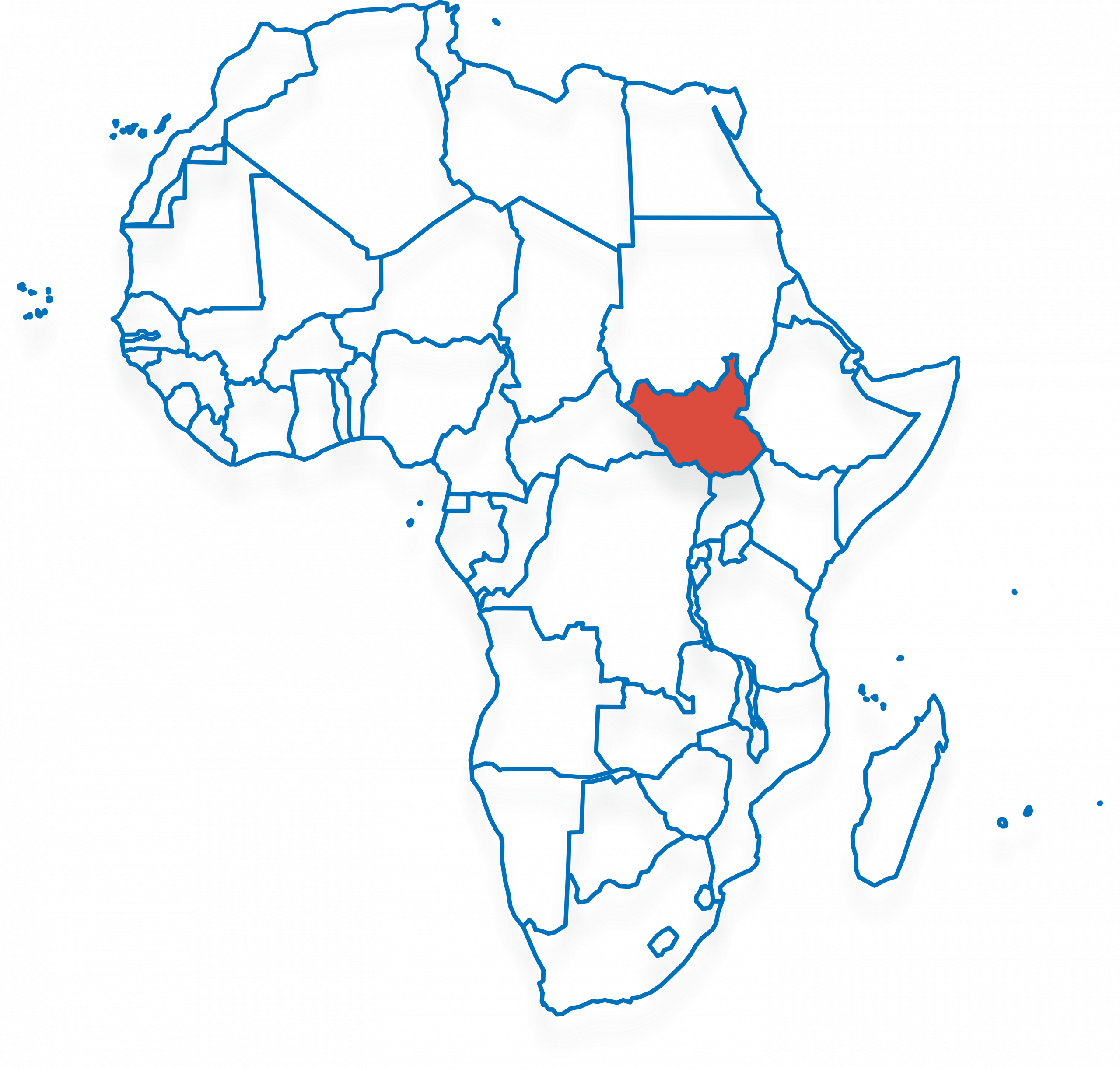
South Sudan is a landlocked country and shares borders with Sudan, the Central African Republic, the Democratic Republic of the Congo, Uganda, Kenya, and Ethiopia.
The Agreement: In September 2025, Ambassador Apuk Ayuel Mayen, Spokesperson for the Ministry of Foreign Affairs and International Cooperation, stated that there is no formal agreement and “no discussions” with the United States on third country deportations. The Ambassador confirmed that there was “bilateral engagement” between the two countries on the May-July deportation of eight men.
South Sudan may be seeking reversal of U.S. policies targeting its nationals. On April 5, 2025, the U.S. Department of State (DOS) announced the revocation of all visas held by South Sudanese passport holders and banned their entry. On May 6, U.S. Citizenship and Immigration Services (USCIS) announced a 6-month extension of the designation for Temporary Protected Status (TPS) for South Sudan, a rare decision considering that all other TPS designations that have come up for review in 2025 have been terminated. (When the extended designation was due to expire on November 3, USCIS announced its termination, effective January 5, 2026.)
The People:
- May 20, 2025: 8 men from Cuba, Laos, Mexico, Myanmar, Vietnam, and South Sudan were put on a flight destined for South Sudan. Before completing the deportation operation, a federal court judge ordered the plane to reroute to a U.S. military base in Djibouti to afford the men opportunity for recourse. On July 5, 2025, the Administration completed the deportation operation, and the eight men were sent to South Sudan.
On May 20, 2025, the United States deported individuals protected by a federal court class action under D.V.D. v U.S. Dep’t Homeland Security to South Sudan with less than 24 hours’ notice. Attorneys representing the deported individuals filed for emergency relief on May 20. On May 21, a federal court judge ordered the federal government to maintain custody and control of the individuals. The judge also ordered that each individual must be given a chance to challenge their deportations to South Sudan and access to counsel. At a court hearing, the judge learned that class members were being held at a U.S. military base in Djibouti.
The individuals were detained in a converted shipping container by a nearby burn pit, which made it difficult to breathe. The individuals were also kept under 24-hour surveillance. As of June 23, at least one of the men represented by Human Rights First did not have a reasonable fear interview scheduled, the first step to challenging his deportation.
The U.S. federal government appealed the emergency relief to the Supreme Court. On June 23, the majority of the court issued a stay, clearing the way for the federal government to continue third country deportations for the individuals deported to South Sudan, as well as any other groups the federal government pursued for removal. On July 5, 2025, the eight men were removed to South Sudan.
On September 6, 2025, the Mexican man, Jesus Munoz-Gutierrez, was sent back to Mexico. The repatriation was brokered between South Sudan’s foreign ministry and the Mexican Embassy in Ethiopia, since Mexico currently has no embassies or consulates in South Sudan. South Sudanese officials said it received assurance from the Mexican government that he would not be subjected to torture, inhuman or degrading treatment, or undue prosecution. Munoz-Gutierrez told journalists that he “felt kidnapped” when he was deported to South Sudan.
Eswatini
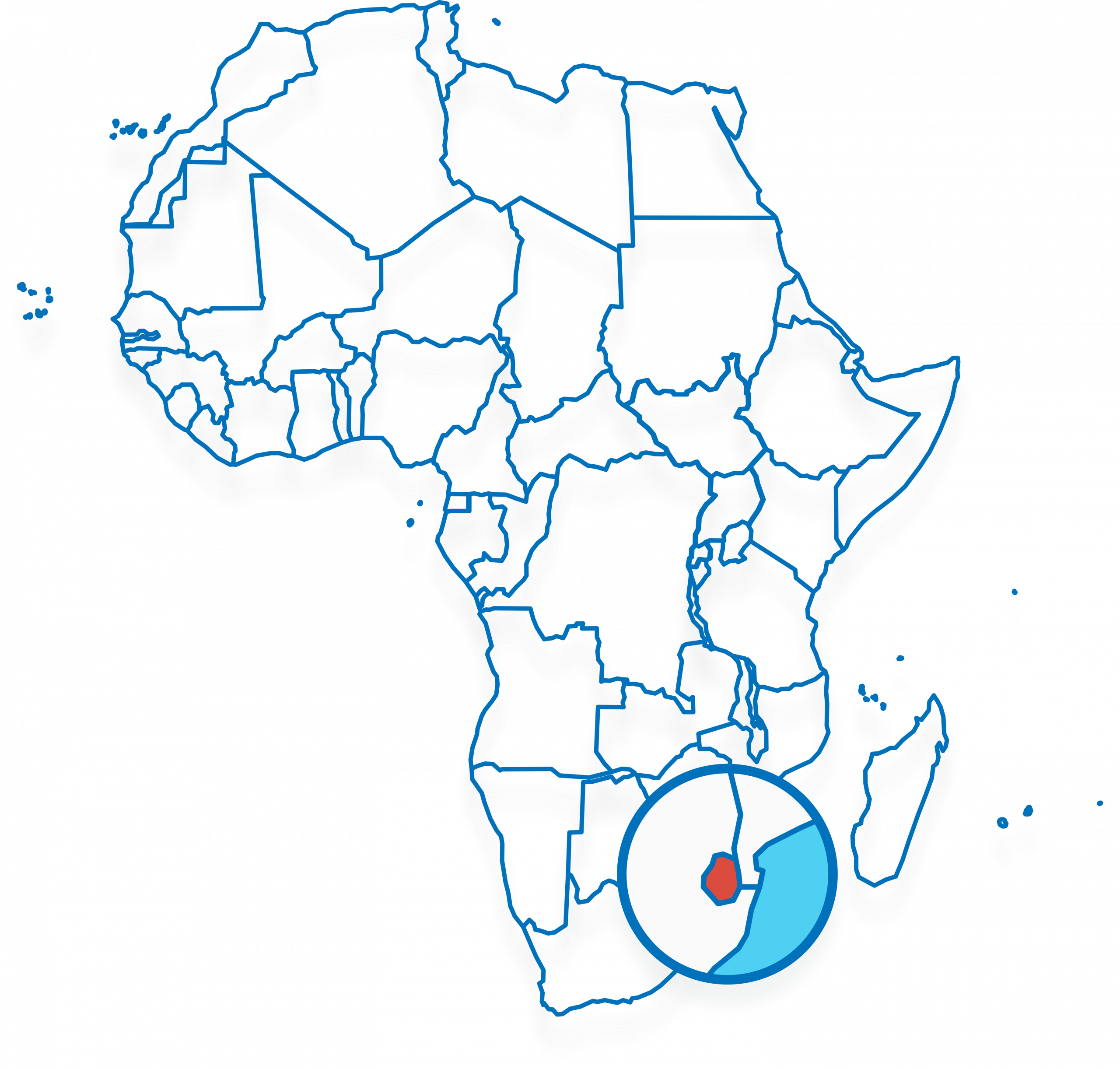
Eswatini is a landlocked country, bordered by South Africa and Mozambique.
The Agreement: Human Rights Watch (HRW) reported that Eswatini agreed to accept 160 deportees for $5.1 million for the country’s border and migration management capacity. The agreement is valid for one year and can be renewed. Eswatini has agreed to accept individuals “with criminal backgrounds and/or who are designated suspected terrorists.
The People:
- July 16, 2025: 5 individuals from Vietnam, Laos, Yemen, Cuba (Roberto Mosquera del Peral), and Jamaica (Orville Etoria)
Eswatini’s spokesperson stated that all third country nationals would eventually be repatriated. All 5 individuals were initially kept at Matsapha Correctional Centre, a high security prison, in solitary confinement. The Eswatini Government said that the men would ultimately be sent back to their home countries but said there were no firm timelines for repatriation and did not clarify if the men would remain in prison. On September 21, one man from Jamaica was repatriated. In order to coordinate his repatriation, Eswatini sought support from the Jamaican Government and the International Organization for Migration (IOM). On October 6, the Eswatini government said that two others are expected to be repatriated soon.
Civil society groups protested the deportations outside the U.S. Embassy in Eswatini. The main opposition party released a statement criticizing the decision, calling it “human trafficking disguised as a deportation deal.”
On July 25, an Eswatini lawyer was denied access to the five men, even after filing official representation papers with the court. In August, he was finally granted access after launching a constitutional challenge on the denial of access to legal counsel. On September 2, the Legal Aid Society released a statement stating that they have been denied access to their client, Orville Etoria.
On October 28, 2025, Roberto Mosquera del Peral’s attorney said that he was on hunger strike for being kept in prison for more than three months. The Eswatini Government responded that he was currently “fasting and praying,” although close associates say this statement is false. Mosquera ended his hunger strike after 30 days.
- October 6, 2025: 10 individuals from Vietnam, Philippines, Cambodia, Chad, and Cuba
These individuals were also placed into detention facilities, and the Eswatini Government said that it would work with stakeholders for their ultimate repatriation.
A U.S. attorney representing three men from the October flight and two men from the July flight said that he has no way of getting in touch with his clients: “I cannot call them. I cannot email them. I cannot communicate through local counsel because the Eswatini government blocks all attorney access.”
In July 2024, Amnesty International expressed concerns about detention conditions at Matsapha Correctional Centre. An opposition politician who was jailed there was assaulted by prison guards and denied adequate food for four days. In the 2024 Human Rights Report, the U.S. State Department stated that there were “numerous credible reports” that security forces inflicted torture and other forms of cruel, inhuman, or degrading treatment or punishment to people in detention. According to the 2023 report, prison conditions were mixed throughout the country. Problems included poor ventilation, overcrowding, decaying of facilities, and prison violence.
The United States, and governments like Eswatini, risk violating international human rights laws by removing people to countries where they face a risk of serious harm or death. Four men who were deported earlier to Eswatini sued the Eswatini Government for due process violations, but their cases were delayed when an Eswatini High Court judge failed to appear for a scheduled court hearing without explanation.
The process to seek refugee status in Eswatini is under a significant backlog. Due to the backlog, refugees went without benefits or legal authorization to work for the extended waiting period. Once granted refugee status, “many waited more than a decade for citizenship without success.”
Rwanda
Rwanda is a landlocked country in East Africa and shares borders with Uganda, the Democratic Republic of the Congo, Burundi, and Tanzania.
The United Kingdom Offshoring Agreement: 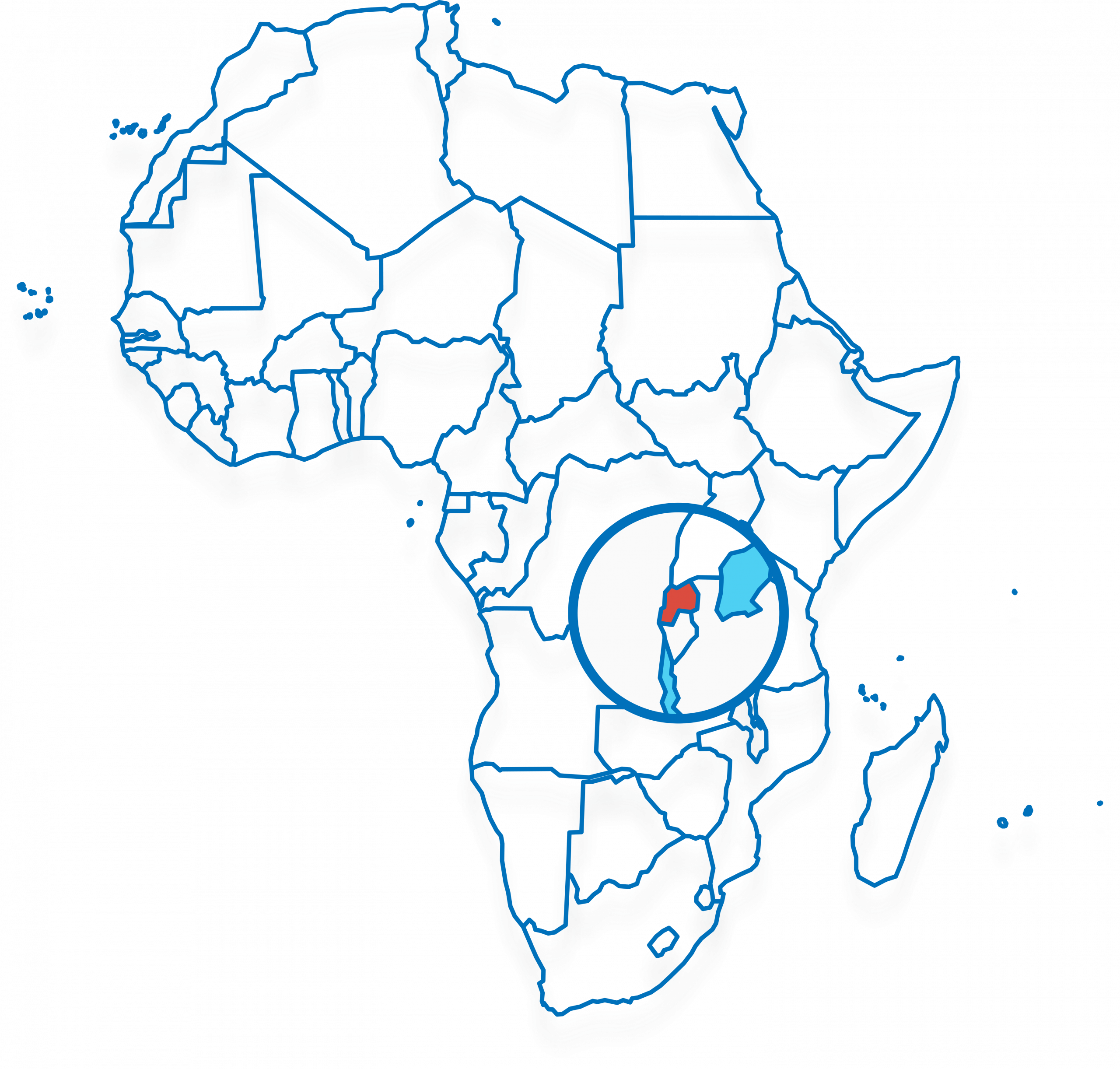
In April 2022, the UK Government, under Conservative leadership, announced the UK-Rwanda Asylum Partnership. Under the agreement, the UK would send people seeking asylum to Rwanda to have their asylum claims processed. In preparation, Rwanda built facilities that were fenced in, and it’s unclear whether asylum seekers would have had freedom of movement or opportunities to work. If asylum was granted, asylees could reenter the UK. If asylum was denied, individuals would be offered a chance to apply for asylum in Rwanda. Several countries have employed push-back strategies to offshore asylum, but the UK-Rwanda agreement was one of the first to propose sending asylum seekers who had entered UK soil to a third country on another continent to process their asylum cases.
Human rights advocates and international human rights organizations called the deal an erosion of refugee rights, and the UK Supreme Court ruled it unlawful under UK and international law because of the risk of refoulement. In July 2024, before any asylum seekers were ever sent to Rwanda, the newly elected Labour Government scrapped the partnership.
The UK-Rwanda Asylum Partnership would have cost UK taxpayers ₤1.8 million ($2.3 million) for every asylum seeker sent to Rwanda. And until the plan was abandoned, the UK paid Rwanda ₤290 million ($381 million), which Rwanda is refusing to pay back.
The U.S. Agreement: On June 3, 2025, an agreement was reportedly signed. The agreement states that the United States would provide an upfront payment to Rwanda of $7.5 million. The agreement was kept secret until August 5, when Rwanda announced that it reached an agreement with the United States to accept up to “250 migrants.” A spokesperson said that the United States sent a list of 10 individuals to be vetted by Rwanda. A spokesperson said that deportees would be provided with training, healthcare, and accommodation. Other implementation details are still being developed or not publicly known.
The agreement mentions Rwanda’s “established expertise” in managing returns, perhaps referring to Rwanda’s previous deal with the United Kingdom, which was ruled unlawful by the UK Supreme Court for risk of human rights violations.
The People:
- Mid-August 2025: 7 individuals of unknown nationalities
On August 28, the Rwandan government stated that 7 individuals arrived in mid-August. The spokesperson also shared that three individuals would return to their home countries and four expressed a wish to stay in Rwanda. The spokesperson said that those approved for resettlement in Rwanda would receive accommodation, workforce training, and health care. IOM and Rwandan social services have visited the individuals.
Ghana
Ghana is on the west coast of Africa and borders the Gulf of Guinea.
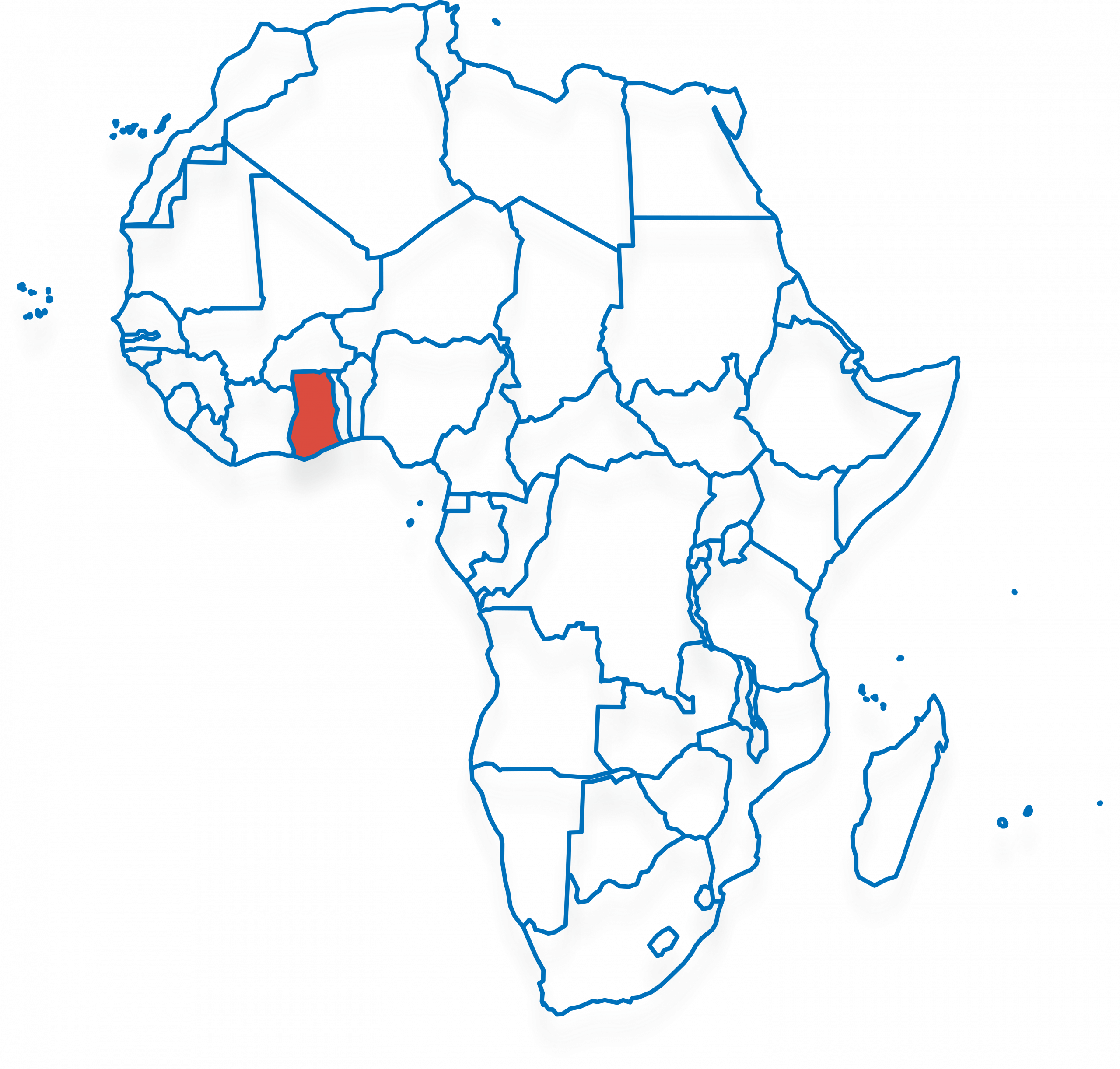
The Agreement: On September 11, 2025, President John Mahama said that the country had entered a deal with the United States and that 14 individuals had already arrived. Ghana said it would accept West African nationals, citing Ecowas’s free movement protocol that allows member state citizens to reside in other Ecowas countries visa-free for up to 90 days. Ghana said that no money was exchanged. Ghana would accept third country deportees and address the issue of its nationals overstaying their visas in the United States. Mahama implied that through this deal, Ghana had become the only country subject to visa restrictions to secure a complete reversal from the U.S. Administration.
The People:
- September 5, 2025: 14 individuals that includes nationals from Nigeria and the Gambia
Individuals were removed from the United States on a military cargo plane chained at the hands, waist, and ankles. At least two individuals were granted withholding of removal, meaning that the U.S. government promised that they would not be deported to their countries of origin. At least three individuals were granted deferral of removal under CAT, meaning that they were granted temporary protection due to the risk of torture if deported to their countries of origin.
According to court filings, individuals were informed that they would be removed from Ghana on September 12. Mahama stated that the Nigerian individuals were already returned to their country by bus. Facing imminent removal by Ghana, at least one individual was denied internet access, which was his primary way of communicating with his wife and lawyer. By September 15, all of the individuals had been sent to their home countries.
- Since September 2025, at least 42 individuals have been deported.
At least 8 individuals were dumped in Togo without documents. Some men were of other nationalities, including Nigeria and Liberia. A bisexual Gambian man said he was sent to Gambia where they criminalize same-sex relations. Ghana has allegedly conducted unlawful removals before, detaining and deporting Fulani refugees from Burkina Faso.
In November, a Sierra Leonean who was granted withholding of removal from the United States based on a fear of persecution or torture in Sierra Leone was deported to Ghana. Her wrists and ankles were shackled for the flight. In Ghana, she was kept in hotel for six days. When Ghanian officials tried to board her on a bus to Sierra Leone, she was dragged on the floor and sustained injuries
One of the deportees was detained at the airport for five days with no access to phones, showers, or change of clothes. At least eleven men were detained at Dema camp, a detention facility at a military training camp in a remote area outside of Accra. At Dema, the men were exposed to heat, mosquitos, and unsanitary water.
In October 2025, Ghanian lawyers filed a lawsuit challenging the agreement with the United States, arguing that it contradicts international treaties that Ghana has signed onto, including the Convention against Torture. Eleven individuals who were deported to Ghana also filed a lawsuit challenging their illegal detention at Dema camp.
Uganda
Uganda is a landlocked country in East Africa’s Great Lakes region and shares borders with South Sudan, the Democratic Republic of the Congo, Rwanda, Tanzania, and Kenya.

The U.S. Agreement: On August 21, 2025, the Ugandan government announced that it signed an agreement with the United States. On September 3, a cooperation agreement, dated July 29, was made public. The Ugandan government prefers to accept nationals of African countries and will not accept individuals with criminal records or unaccompanied children. Uganda agreed not to send anyone to their home country until a final decision on their international protection claims has been reached. The agreement does not state if Uganda is receiving money or other diplomatic assurances. The Ugandan Ministry of Foreign Affairs stated that the agreement is temporary and that details will have to be worked out.
- Currently, there are no known third country deportations to Uganda.
In November 2025, Uganda’s Minister of Relief, Disaster Preparedness, and Refugees announced that the government would not grant refugee status or protections to nationals from countries that are not at war, specifically naming Eritrea, Ethiopia, and Somalia. The minister blamed international aid cuts.
Uganda hosts the largest refugee population on the African continent. The country hosts about 1.8 million refugees and asylum seekers, mostly from South Sudan and the Democratic Republic of the Congo. Ongoing violence and protracted conflicts mean that new refugees arrive constantly. Uganda has long been heralded as a model refugee host country in the region, offering refugees access to land and public services. But due to constant refugee flows, Uganda’s inclusive policy is under threat due to increasing child protection gaps, humanitarian aid cuts, and donor fatigue.
The Netherlands Agreement: On September 25, 2025, the Netherlands and Uganda signed a Letter of Intent, or a promise to finalize an agreement that allows the Netherlands to use Uganda as a return hub. Individuals who have a final order of removal from the Netherlands and fail to leave voluntarily may be sent to Uganda. From there, individuals will be “expected to return to their country of origin.”
Equatorial Guinea
Equatorial Guinea’s mainland is south of Cameroon on the west coast of Africa and borders the Gulf of Guinea. Several islands are off the coast of the mainland, Bioko being the largest.
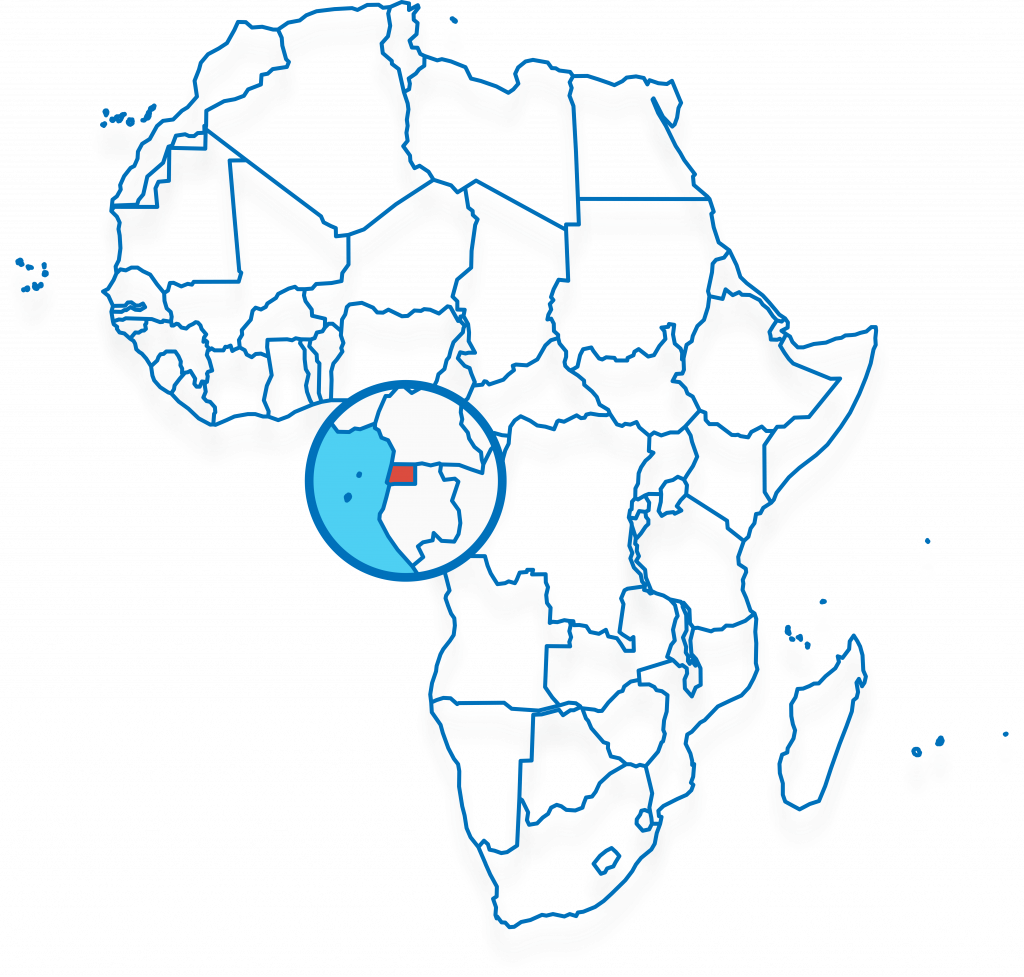
The Agreement: The Administration transferred $7.5 million to the Government of Equatorial Guinea from the Department of State’s “Migration and Refugee Assistance” account. In November 2025, Senator Jeanne Shaheen (D-NH) raised alarm about this highly unusual transfer and seeks information from Secretary of State Marco Rubio on whether this payment is for accepting third country deportations.
- On November 24, Human Rights First tracked an ICE flight to Equatorial Guinea that departed Alexandria, Louisiana, a known ICE deportation hub, on November 23. Human Rights First (HRF) confirmed that the flight carried third country nationals.
Countries in Asia
Bhutan
Bhutan is a landlocked country in the Himalayas, in between China and India.
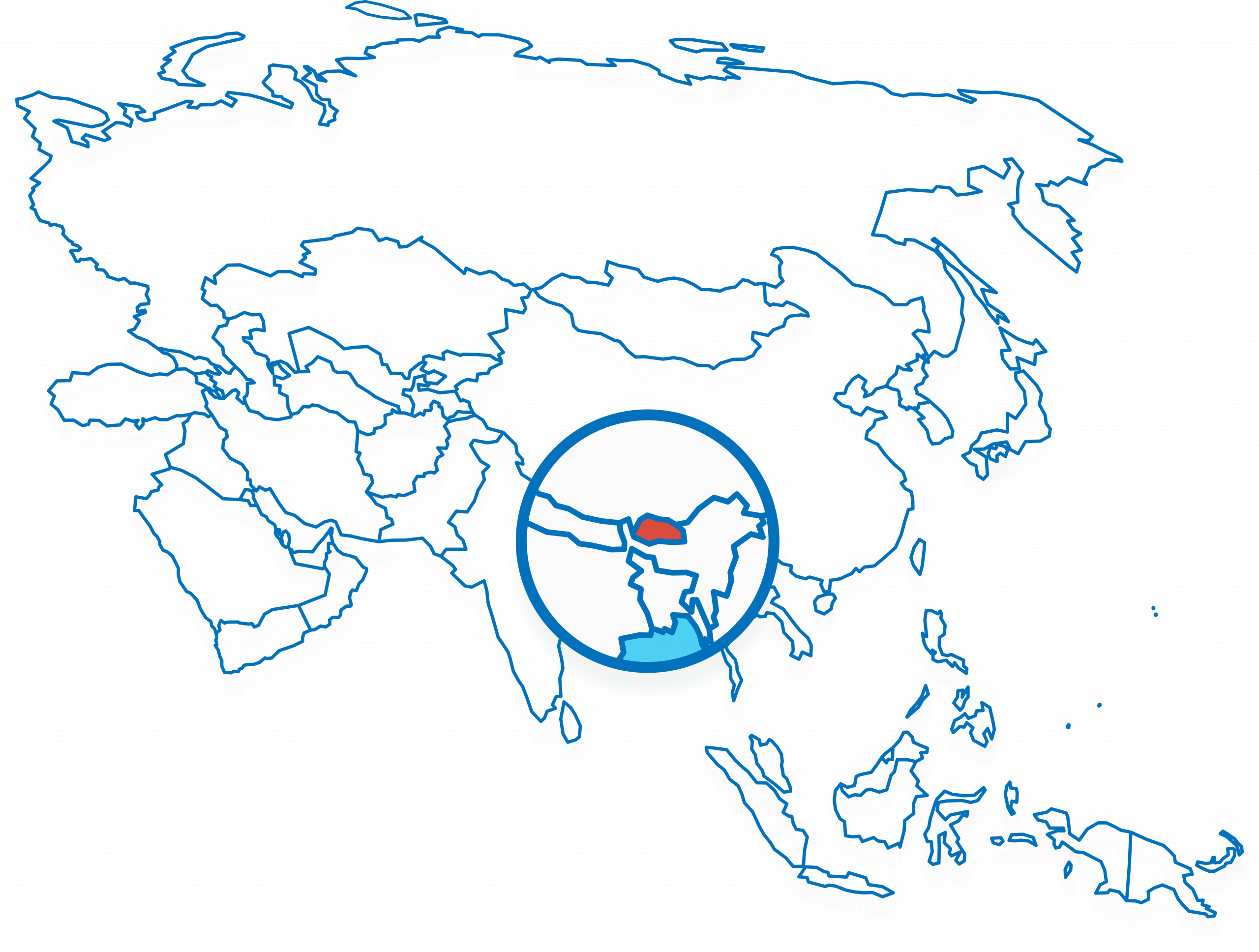
The Agreement: There is no evidence of an agreement between the United States and Bhutan, Nepal, or India.
The People:
• March 25, 2025: 10 Bhutanese refugees deported via Delhi, India.
• April 7-14, 2025: 6 Bhutanese refugees
• In June, Asian Law Caucus stated that at least 27 Nepali-speaking Bhutanese refugees have been deported. Since February 2025, four U.S. removal flights have gone to Nepal and nine flights have gone to India.
Some individuals are stateless, since Bhutan will not recognize them as citizens and Nepal will not grant them citizenship. Due to Bhutan’s refusal to recognize the deported individuals as nationals, Bhutan is included in our third country deportations tracker.
At least four individuals had been resettled to the United States with refugee protections. One individual reported that he was given a choice between deportation to Nepal or Bhutan. He chose Bhutan, where he was held under strict surveillance, had his documents confiscated, and was forcibly smuggled into Nepal.
Individuals who have spoken to the media say that they were born in refugee camps in Nepal. They were deported to Bhutan, where their family faced persecution. Within 24 hours, they were expelled from Bhutan. Some are hiding in India or Nepal. At least four individuals have gone back to the refugee camps they were born or grew up in. Humanitarian aid groups have left the camps, and individuals have returned to destroyed huts.
In June 2025, the Nepali government issued deportation orders to four individuals and imposed fines. The government insisted that if they can’t return to the United States, they should go to Bhutan. On April 24, 2025, Nepal’s Supreme Court temporarily halted their deportations. The four men were allowed to return to the refugee camps they left as children while internal authorities investigated their cases.
At least one individual has died by suicide. Another individual is hiding in India where he has no ties or immigration status. Others have gone missing.
Uzbekistan
Uzbekistan is in Central Asia, north of Afghanistan.
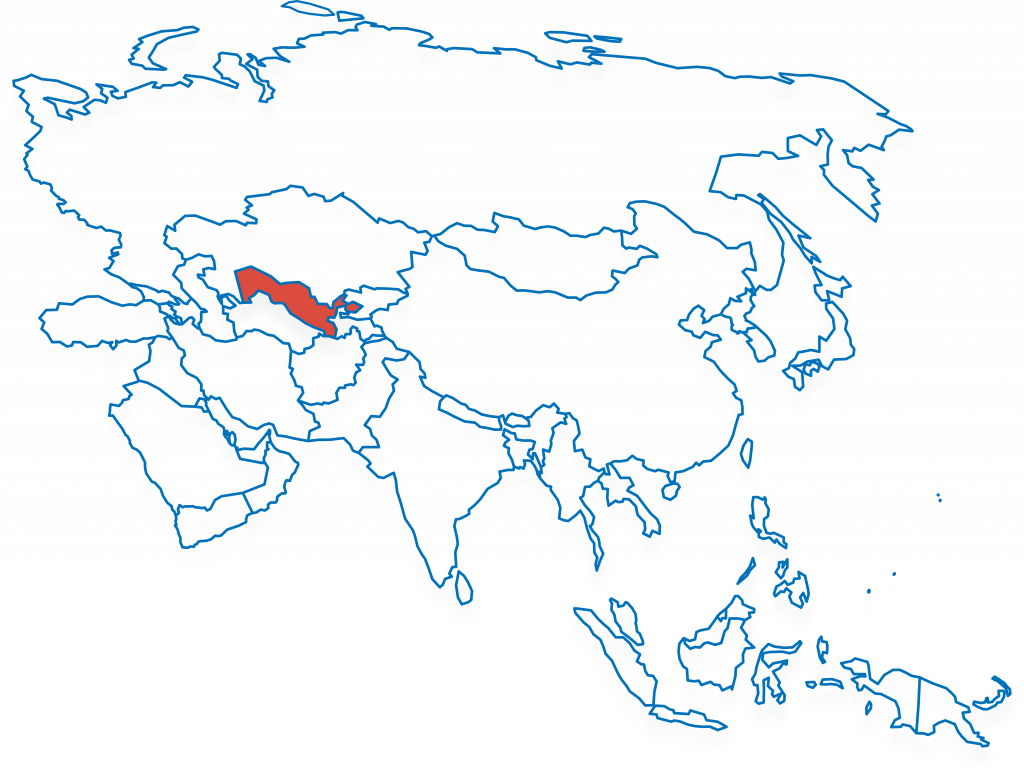
The Agreement: Uzbekistan agreed to accept its nationals. At least one deportation operation was funded by Uzbekistan.
The People:
• April 30, 2025: 131 individuals from Uzbekistan, Kazakhstan, and Kyrgyzstan
The U.S. Department of Homeland Security (DHS) stated that the flight included individuals from Uzbekistan, Kazakhstan, and Kyrgyzstan. DHS also stated that the individuals were in the United States without authorization to stay. Uzbek media reported that Kyrgyz and Kazakh nationals will continue on to their home countries. Uzbek Foreign Ministry said in a Telegram post, “The repatriation process will be organized on the basis of humanitarian and legal principles, ensuring the dignified and safe return of citizens” (translated).
Advocacy & Litigation
Federal Court Litigation
Since individuals are typically in some form of detention before being deported, immigration rights advocates and the press tracking ICE flights have sounded the alarm before potential flights. Individuals and public interest groups have launched federal court litigation to try to prevent unlawful deportations, enforce due process, and bring individuals back to the United States. Other litigation has sought to compel the federal government to release public information through Freedom of Information Act (FOIA) lawsuits.
[More details upcoming.]
Non-U.S. Court Litigation
Once removed from U.S. soil and airspace, U.S. judges have limited power to stop the U.S. federal government and third countries from placing individuals into detention, subjecting them to mistreatment or torture, and deporting them to other countries, including a country where they may be persecuted or tortured. Human rights lawyers in third countries have launched litigation to try to release deportees from detention and prevent further human rights abuses.
Intergovernmental Organizations
- On May 13, 2025, the UN Human Rights High Commissioner voiced concern over U.S. third country deportations of Venezuelans and Salvadorans to El Salvador’s Centre for Terrorism Confinement (CECOT): “This situation raises serious concerns regarding a wide array of rights that are fundamental to both US and international law.”
- On July 8, 2025, UN Special Rapporteurs sounded alarm at the U.S. Supreme Court’s order clearing the way for the U.S. Government to resume third country deportations. They stressed that reasonable fear “assessments must be individual as well as country-specific.”
- On July 31, 2025, the African Commission on Human and Peoples’ Rights expressed concern for third country deportation agreements with South Sudan and Eswatini. The Commission called the deportations a “delegation of detention,” and raised concerns about violations to the African Charter on Human and Peoples’ Rights and the African Guiding Principles on the Human Rights of All Migrants, Refugees and Asylum Seekers.
- On August 31, 2025, the African Commission on Human and Peoples’ Rights urged Rwanda and Uganda to ensure transparency of agreements and to ensure human rights. The Commission stated concern that the agreements may violate the African Charter on Human and Peoples’ Rights and that migrants are being sent to a “disposal zone” for arbitrary expulsions.
- On October 6, 2025, the UN High Commissioner for Refugees stated in a speech that he is worried about the legality of current deportation practices in the United States. He pleaded to countries, “When you decide to explore such arrangements, consult with us. Engage us.”
- IOM Policy on Return, Readmission, and Reintegration
Documents
- February 18, 2025 DHS Policy Directive on third country deportations
- March 30, 2025 DHS Memo, Guidance Regarding Third Country Removals
- July 10, 2025 ICE Memo, Third Country Removals Following the Supreme Court’s Order in Department of Homeland Security v. D.V.D., No. 24A1153 (U.S. June 23, 2025)
- September 24, 2025 Congressional Letter (Sen. Warren) seeking information on third country deportations
- November 10, 2025 Ranking Member Sen. Shaheen Letter to DOS Secretary Rubio asking for information about a $7.5 million transfer to Equatorial Guinea
More Trackers
- Human Rights First & Refugees International, Banished by Bargain: Third Country Deportation Watch
- Human Rights First, ICE Flight Monitor
- Council on Foreign Relations, What Are Third Country Deportations, and Why Is Trump Using Them?
Resources
- Justice in Motion (JiM) has created a post-deportation intake and referral form for U.S.-based advocates to request that JiM engage in post-deportation monitoring and response to detect potential rights violations that occurred during the arrest, detention and/or deportation. Upon receipt, JiM reviews and may task a member of the JiM Defender Network in MX, GT, ES, HN or NI, as appropriate (considering JiM resources + risk), to attempt communication with impacted or referenced deported migrants for a legal screening, and potential support connecting to local resources to meet immediate needs. JiM hopes to be able to help deported individuals connect or maintain connections to advice and legal representation, even after their deportation.
- January 29, 2025 NILA Practice Advisory, Protecting Noncitizens Granted Withholding of Removal or CAT Protection Against Deportation to Third Countries Where They Fear Persecution/Torture
- June 27, 2025 NILA Practice Alert, Third Country Deportations and D.V.D. v. DHS
- National Immigration Project, Fifteen Steps for Addressing Orders of Removal Issued by an Immigration Judge
Related Work by USCRI
Asylum Cooperative Agreements
Individuals who are physically present or who have arrived in the United States can seek asylum in the United States. In the United States, asylum may be granted to a noncitizen who meets the definition of a “refugee”—an individual who is outside of their country of nationality or last habitual residence who is unwilling to return to that country due to a well-founded fear of persecution based on race, religion, nationality, membership in a particular social group, or political opinion. Under international law, the right to seek asylum is universal. See Article 14, Universal Declaration of Human Rights.
Under U.S. law, the Immigration and Nationality Act (INA) lists several exceptions to the right to apply for asylum (e.g., one year time limit, prior denial), including the “safe third country” exception. The “safe third country” exception requires a diplomatic agreement with another country in order to apply to an individual seeking asylum in the United States. Such agreements may be called “asylum cooperative agreements” or “safe third country agreements.”
“Asylum cooperative agreements” (ACAs) are agreements whereby a country agrees that it will accept third country nationals seeking asylum in the United States to be deported to its territory. The INA states that in order for the safe third country exception to apply, the country cannot be one in which the individual would face a risk to life or freedom on account of race, religion, nationality, membership in a particular social group, or political opinion. The individual must have access to a full and fair asylum procedure (or equivalent protection) in that country. See 8 U.S.C. § 1158(a)(2)(A). Unaccompanied children cannot be subject to this exception. See 8 U.S.C. § 1158(a)(2)(E).
The safe third country exception can apply to asylum seekers during expedited removal procedures and in both affirmative and defensive proceedings. See 84 Fed. Reg. 63,994, 8 CFR 208.30(e)(7); 8 CFR 1208.4(a)(6); 8 CFR 1240.11(h). In 2019, DHS and DOJ published an interim final rule to modify agency rules to give effect to the ACAs signed with El Salvador, Guatemala, and Honduras. The ACA with Guatemala went into force before the agreements were largely curtailed by the Covid-19 pandemic. In 2021, the U.S. Government formally suspended the ACAs.
Current Use of ACAs
Based on current laws and regulations, anyone who has entered the United States on or after November 19, 2019, who is seeking asylum in the United States can be subject to an ACA deportation. Unaccompanied minors are excepted.
As of the latest page update, the U.S. Government is using ACAs to deport individuals who have pending asylum applications in immigration court, the Executive Office for Immigration Review (EOIR).
How does it happen? DHS attorneys will launch a motion (sometimes without written notice) to “pretermit” the asylum application based on an existing ACA. Pretermission is the denial of an application for asylum without a full evidentiary hearing. This can happen at any stage of proceedings. Respondents must then respond to the motion. Some judges may grant time to respond. Other judges have not, forcing respondents to oppose the motion without preparation. Respondents must articulate any defenses or articulate a reason why they cannot be deported to the country. Defenses can include arguments that the ACA does not apply to the respondent, that the respondent is excepted from the ACA, and that the respondent faces an individualized fear of persecution, harm, or torture in the proposed “safe third country.”
If the DHS motion succeeds, the immigration judge will deny the asylum application based on an ACA without hearing or deciding on the full merits of the asylum claim. In addition, a successful motion to pretermit also precludes the immigration judge from proceeding with an applicant’s claim for withholding of removal or CAT protection. Individuals also retain the right to appeal the decision. If an individual does not have any other form of protection from removal, they will be deported to the designated ACA country.
These documents have set the foundation for the increasing use of pretermissions and ACA deportations.
Matter of C-I-G-M- & L-V-S-G-, 29 I&N Dec. 291 (BIA 2025): This case involves a woman from Guatemala who filed for asylum due to a fear of persecution. DHS launched a motion to pretermit her asylum application due to an ACA with Honduras. The respondent opposed the motion based on fear of deportation to Honduras and retroactive application of the ACA relative to her entry into the United States and asylum application. On fear of deportation to Honduras, the BIA stated that general country conditions of threats against Guatemalans in Honduras would not suffice. On retroactive application, the BIA stated that the ACA could apply to her even though she entered the United States in August 2023 and the ACA entered into force in June 2025.
Matter of C-A-R-R-, 29 I&N Dec. 13 (BIA 2025): The BIA affirmed an immigration judge’s (IJ) decision to deny consideration on the merits of three asylum applications due to incompleteness. The BIA affirmed the IJ’s decision, stating that “a complete Form I-589 requires a specific substantive answer to every question on the form.”
In a fourth application, the respondent answered all of the form questions. The IJ then asked for a declaration in support of the asylum application in English. The IJ rejected the declaration because it was filed after the requested date and did not include a Spanish (the respondent’s preferred language) declaration or a certificate of translation. The IJ also found that the declaration lacked sufficient details, so the IJ excluded the asylum application and deemed it “waived and abandoned.” The BIA stated that the IJ could not exclude the asylum application based on the failure to file a declaration alone. The BIA remanded the record to the IJ to consider the merits of the asylum application.
EOIR Policy Memo 25-28 (April 11, 2025) allows adjudicators to pretermit legally insufficient asylum applications without a hearing on the merits. While complete guidance on what would make an application “legally insufficient” is not provided, the policy memo refers to examples of filing over the one-year filing deadline, claims that lack sufficient nexus, and disqualification grounds.
The following countries have formalized safe third country agreements with the United States or have announced that they are in advanced negotiations with the United States to accept U.S. asylum seekers.
Canada
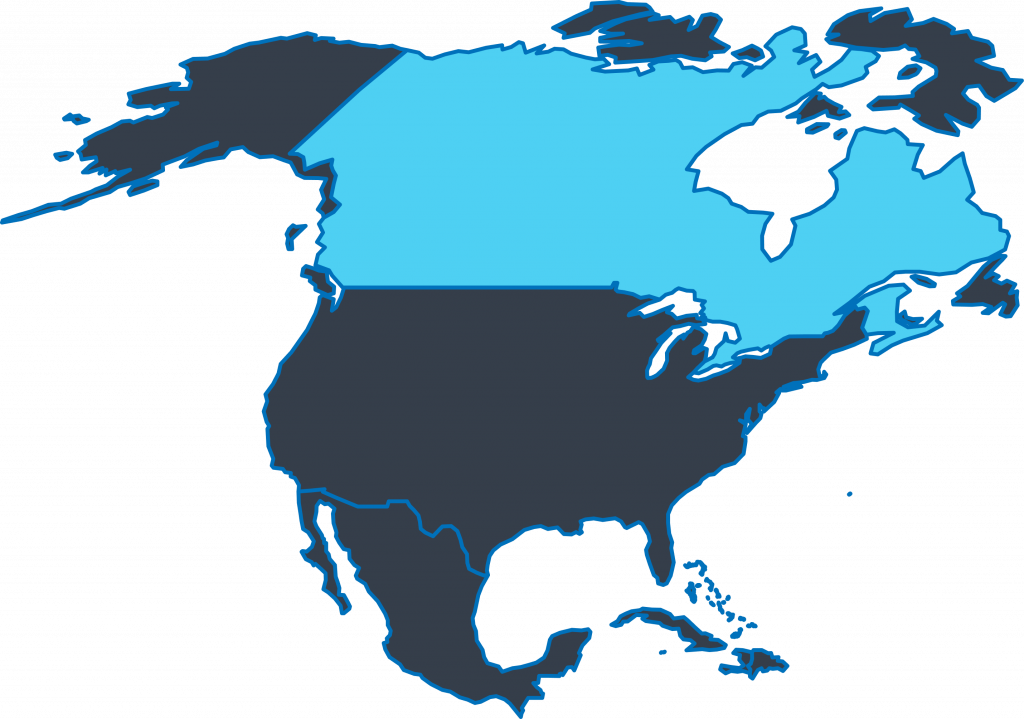
The United States and Canada have a reciprocal safe third country agreement. The agreement was signed on December 5, 2002, and came into force on December 29, 2004 with no end date. Under the agreement, each country has the ability to deport an individual to their country of last presence. For example, if an individual who traveled through the United States and applied for asylum in Canada at the U.S.-Canada border would be turned back to apply for asylum in the United States. In 2022, the countries expanded the agreement to apply to individuals who cross the land border between ports of entries, including certain bodies of water, and who make a protection claim within 14 days after crossing. The amendment was formally implemented in 2023.
Although called a “safe third country agreement,” the Canada-U.S. agreement is primarily a migration control measure that serves to limit asylum access in the Americas. The United States imposes a one-year filing deadline for asylum, and certain gender-based claims are harder to be recognized as an eligible asylum claim under U.S. law than Canadian law.
Exceptions: There are several exceptions that may apply to an individual in the United States. See 8 CFR 208.30(e)(6)(iii).
- The individual is a citizen of Canada, or if stateless, a habitual resident of Canada.
- The individual has a family member who has been granted asylum, refugee, or other lawful status in the United States (except on a nonimmigrant visitor status).
- The individual has a family member who has a pending asylum application in the United States.
- The individual is an unaccompanied child.
- The Director of USCIS determines that it is in the public interest to allow the individual to apply for protection in the United States.
Uganda
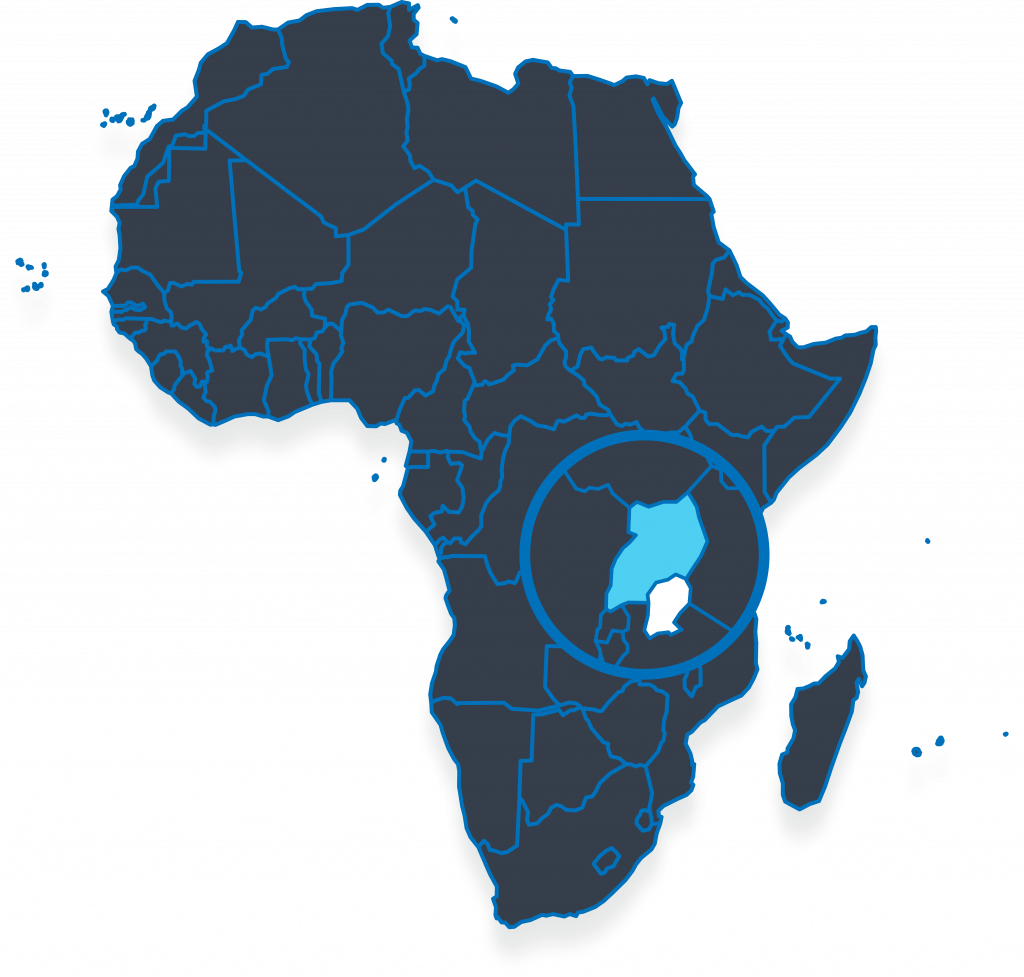
The ACA was signed on July 29, 2025 and posted to the Federal Register on September 3, 2025.
Who: The agreement governs “third-country nationals present in the United States.” Uganda stated that it prefers receiving individuals from African countries, though it is not formalized in the text of the agreement.
Exceptions: Unaccompanied minors are the only excepted population in the text of the agreement. The Ugandan government stated that it will not accept individuals with criminal records.
Access to Protection: The ACA states that Uganda will not return any individual to their country of origin until a final decision has been made on any pending protection claims. The ACA states that Uganda will determine a procedure for people who abandon claims or fail to seek protection.
In November 2025, Uganda’s Minister of Relief, Disaster Preparedness, and Refugees announced that the government would not grant refugee status or protections to nationals from countries that are not at war, specifically naming Eritrea, Ethiopia, and Somalia. The minister blamed international aid cuts.
Honduras
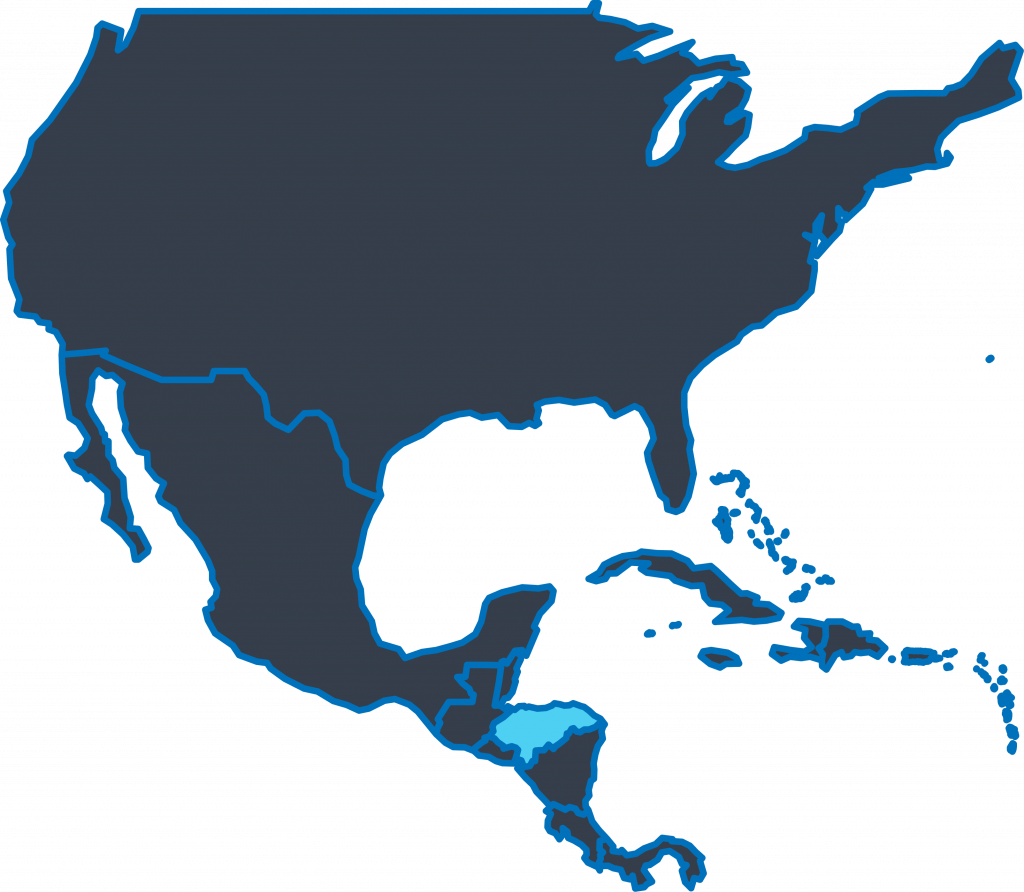
The ACA was signed on March 10, 2025, amended on June 25, 2025, and posted to the Federal Register on July 8, 2025. The amendment was made to give retroactive effect, so that the United States could transfer individuals who have arrived in the United States before the ACA entered into force to Honduras.
Who: Honduras has discretion on the acceptance of individuals. A UN delegation stated that 10 individuals are deported to Honduras every month.
Exceptions:
- The ACA does not apply to citizens or nationals of, or if stateless, habitual residents of Honduras.
- The United States must follow domestic laws and international obligations with respect to unaccompanied minors. It is the United States’ responsibility to determine if the individual is an unaccompanied minor.
- Honduras does not agree to accept individuals involved in crimes against humanity, drug trafficking, terrorism, human trafficking, smuggling of migrants, child pornography, human rights violations, other activity linked to illicit activities, or subject to Interpol notifications.
Access to Protection: The ACA states that it will follow its national laws and regulations to examine any individual protection requests. A UN delegation stated that individuals who were transferred to Honduras were assisted in applying for asylum and in getting access to work in Honduras.
UNHCR data shows that there are 270 refugees and 500 asylum seekers in Honduras, as of August 2025. The U.S. Department of State called the refugee protection system “nascent” in 2023, and commented that it required substantial support from UNHCR. Migrants and asylum seekers were also vulnerable to abuse and sexual exploitation by criminal organizations.
More than 247,000 people are internally displaced, as civilians are subject to gang violence, extortion, forced recruitment, violence against women and girls, dispossession of property, and climate-related destruction. Honduras is a “high risk” country for torture and ill-treatment
Guatemala
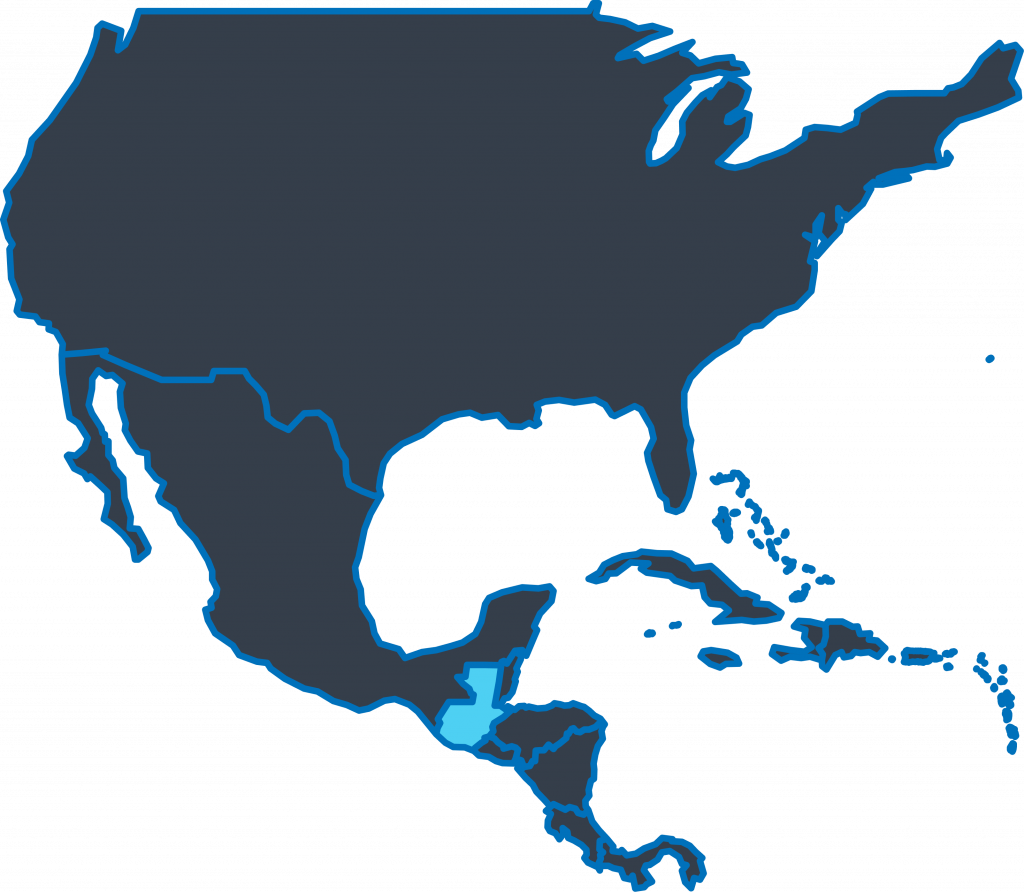
The ACA was effected by diplomatic exchange on June 11 and 13, 2025 and posted to the Federal Register on July 15, 2025.
Who: Nationals of Central American countries.
Exceptions: No stated exceptions.
Access to Protection: The ACA records both countries’ intent to follow international and national laws, but it does not contain any express prohibitions on refoulement.
Ecuador
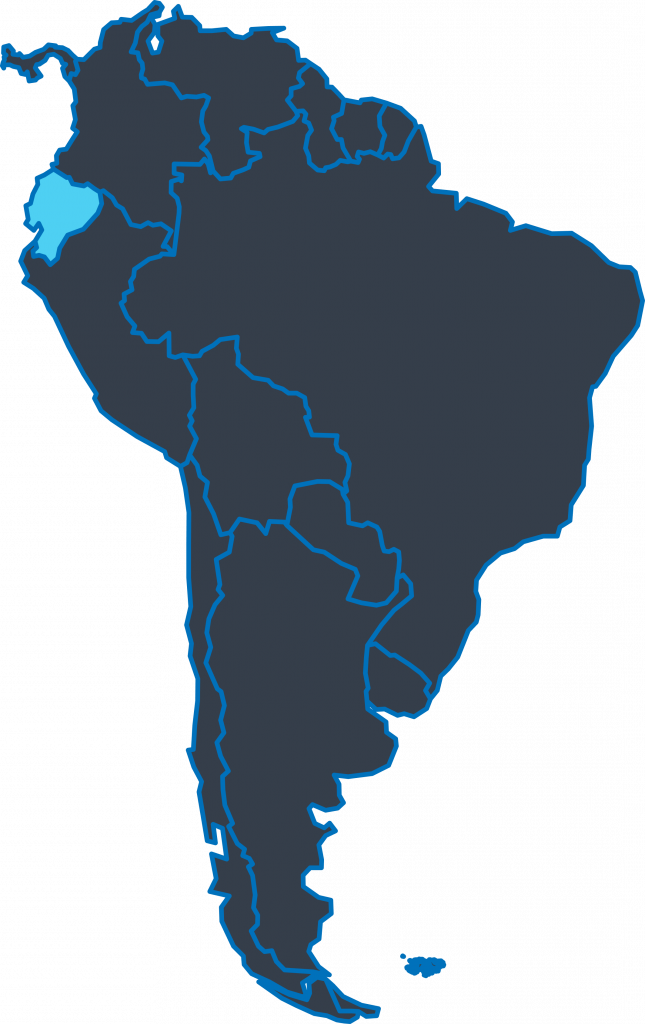
The ACA was effected by diplomatic exchange on July 16 and 23, 2025 and posted to the Federal Register on November 17, 2025.
Who: The United States may propose the transfer of third country nationals, and Ecuador has “complete discretion” in accepting such proposals. The ACA is unclear whether the proposal must be on an individual or group basis, but Ecuador can consider accepting a proposal “in whole or in part.”
Exceptions: Unaccompanied minors cannot be transferred to Ecuador.
Access to Protection: Ecuador agrees not to transfer anyone to their country of origin until a final decision has been made with any pending protection claims. Ecuador will determine a procedure for individuals who fail to seek protection.
Paraguay
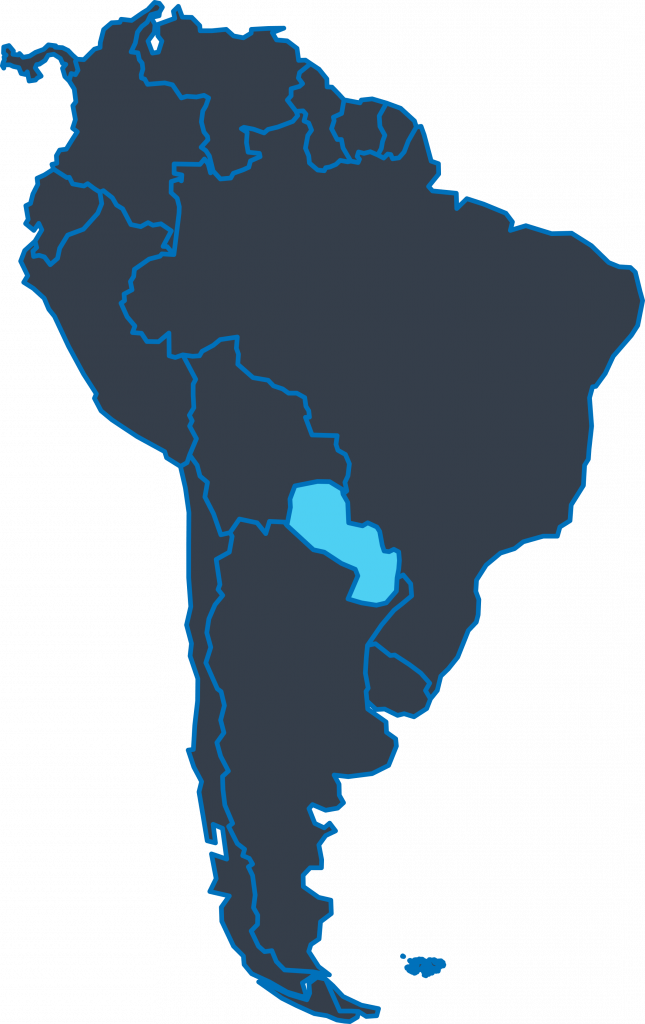
The ACA was signed on August 14, 2025 and posted to the Federal Register on December 23, 2025. The Memorandum of Understanding (MOU) is between DHS and DOS as U.S. parties and the Paraguayan National Commission for Stateless Persons and Refugees (CONARE). The ACA states that the United States and CONARE “shall develop operating procedures,” which have not been publicly released.
Who: The United States may propose the transfer of “third country nationals,” and CONARE shall consider accepting them. The ACA is unclear whether the proposal must be on an individual or group basis, but CONARE can consider accepting a proposal “in whole or in part.”
Exceptions: Unaccompanied minors cannot be transferred to Paraguay.
Access to Protection: CONARE agrees not to transfer anyone to their country of origin until a final decision has been made with any pending protection claims. CONARE will determine a procedure for individuals who fail to seek protection.
Belize
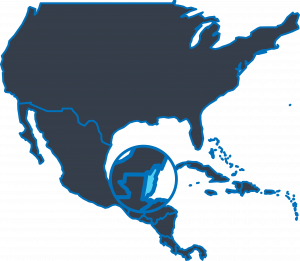
The ACA was signed on October 20, 2025 by government officials, but it is not in effect. The ACA is pending ratification in the Belize Senate and publication in the Federal Register. The agreement will be in effect for two years once formalized.
Who: Belize stated that it “retains an absolute veto over transfers.” Belize stated there would be an unspecified cap (reportedly, 10 individuals per year) and a restriction on nationalities (reportedly, only people from CARICOM and Central America, except Guatemala).
Exceptions: There is an unspecified restriction on nationalities. Belize has the right to block entry or the stay of anyone who is deemed to be a public safety or national security threat.
Access to Protection: Reportedly, Belize would have to amend the Refugees Act in order to operationalize the ACA.
Dominica (Not Yet Operational)
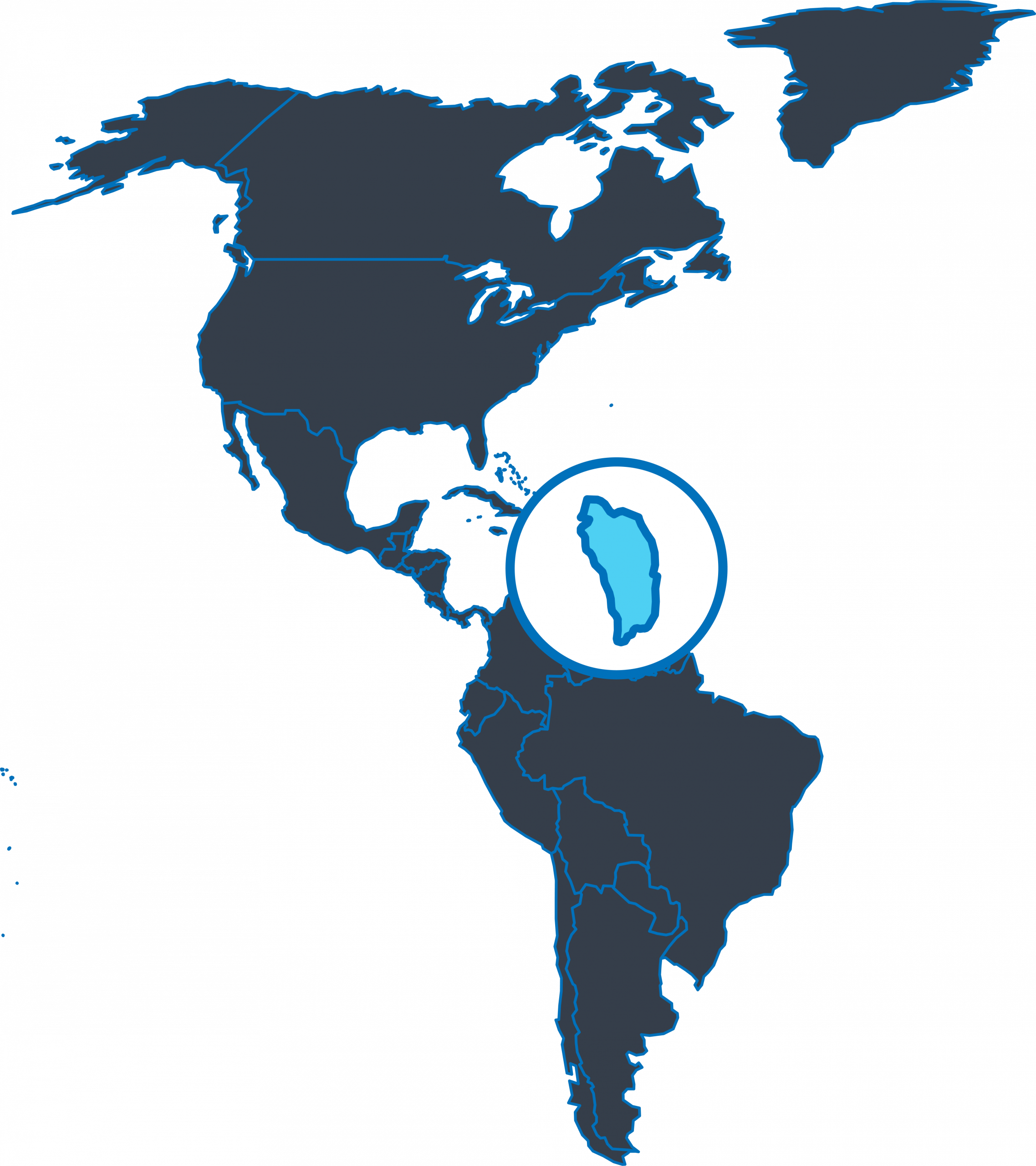
Reportedly, an agreement was reached on January 5, 2026. The ACA is not yet published in the Federal Register.
On December 16, 2025, the United States announced partial visa restrictions on Dominican passport holders. On January 6, Prime Minister Roosevelt Skerrit said that he felt a responsibility to safeguard the access to lawful travel, education, employment, and family connections for Dominican people.
Who: Unspecified.
Exceptions: Dominica said that it would not accept “violent individuals or individuals who will compromise the security of Dominica.”
Antigua and Barbuda (Not Yet Operational)
On January 5, 2026, Antigua and Barbuda announced that it entered into a non-binding agreement with the United States. The ACA is not yet published in the Federal Register.
On December 16, 2025, the United States announced partial visa restrictions on Antiguan and Barbudan passport holders. Antigua and Barbuda stated that the deal is in the wider context of discussions with the United States on matters including the “restoration of normal visa issuance and renewals for Antiguan and Barbudan nationals.”
Who: Antigua and Barbuda will accept up to 10 individuals per year. The country retains the “absolute right” to reject any proposed individuals for transfer.
Exceptions: Antigua and Barbuda will not accept individuals with a criminal record.
Saint Kitts and Nevis (Not Yet Operational)
On January 8, 2025, Prime Minister Dr. Terrance M. Drew announced that Saint Kitts and Nevis has entered into a MOU with the United States. The ACA is not yet published in the Federal Register.
PM Drew stated that the United States would pay for relocation, housing, and sustenance.
Who: PM Drew stated that only certain nationals of CARICOM member states (except nationals of Haiti) would be eligible for transfer.
Saint Kitts and Nevis has sole discretion to accept or rejected any proposed individuals for transfer.
Exceptions: Haitian nationals are excluded. Individuals with convictions for violent or sexual offenses are excluded.
St. Lucia (Not Yet Operational)
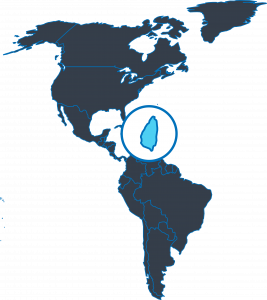
On January 11, 2026, Prime Minister Philip J. Pierre announced that St. Lucia has entered into a MOU with the United States. The ACA is not yet published in the Federal Register.
St. Lucia stated that the MOU is framework for discussion and cooperation only. PM Pierre stated that St. Lucia will receive all available health and medical records of individuals transferred. PM Pierre emphasized that details will be shared on the agreement once finalized.
Who: Unspecified.
Exceptions: PM Pierre stated that the MOU excludes individuals with criminal records.
Guyana (Not Yet Operational)
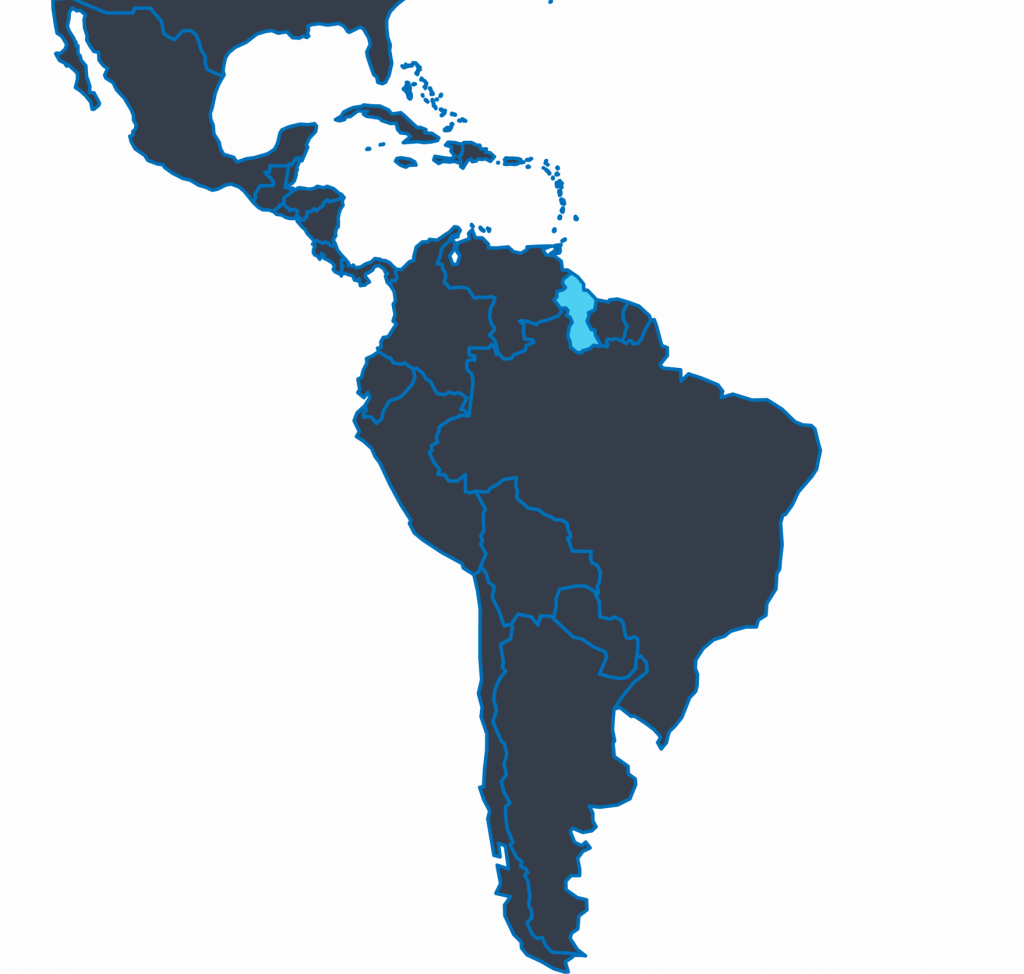
In January 2026, Guyanese officials stated that they are in “advanced discussions” with the United States on an agreement to accept third country nationals. News reporting suggests that the country is considering accepting both individuals deported from and individuals who are seeking asylum in the United States.
Political opposition parties are calling for consultations and transparency before an agreement is made. The People’s National Congress Reform (PNCR) is concerned that decisions may be made without a developed migration policy. PNCR is also concerned about the capacity to screen individuals and to ensure that Guyana retains discretion to accept people with a good educational background who can contribute to Guyana’s development.
Who: News reports state that Guyana has a preference for skilled individuals.
Exceptions: News reports state that Guyana has as preference for individuals without a criminal background.
Grenada (Not Yet Operational)
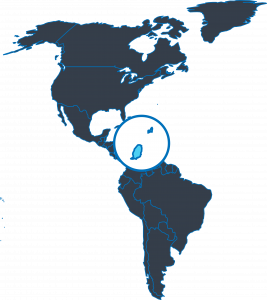
On January 27, 2026, Grenada said that it is prepared to sign a MOU with the United States. Grenada said that the agreement needs to be negotiated with final terms. Grenada promised to make the agreement public. The ACA is not yet published in the Federal Register.
Grenada has stated that any transfers are contingent upon the provision of funds by the United States for food, housing, flights, and logistical needs prior to arrival. Grenada stated that once it was approached by the United States, officials considered that they might be able to benefit from the agreement to bring in labor skills to address national gaps.
Who: A draft agreement states that Grenada has absolute discretion to accept individuals on a case-by-case basis. Grenada is asking for detailed dossiers for each person proposed, complete with biometric, legal, language, and medical details.
Grenada may give preference to someone who has skills that fill national labor and skills gaps, particularly in construction and agriculture.
The number of individuals to be accepted per year has not been determined.
Exceptions: Grenada will not accept anyone with a criminal record, except for U.S. immigration violations. Grenada has stated that it will not accept any individuals with serious or threatening health conditions.
Argentina (Not Yet Operational)
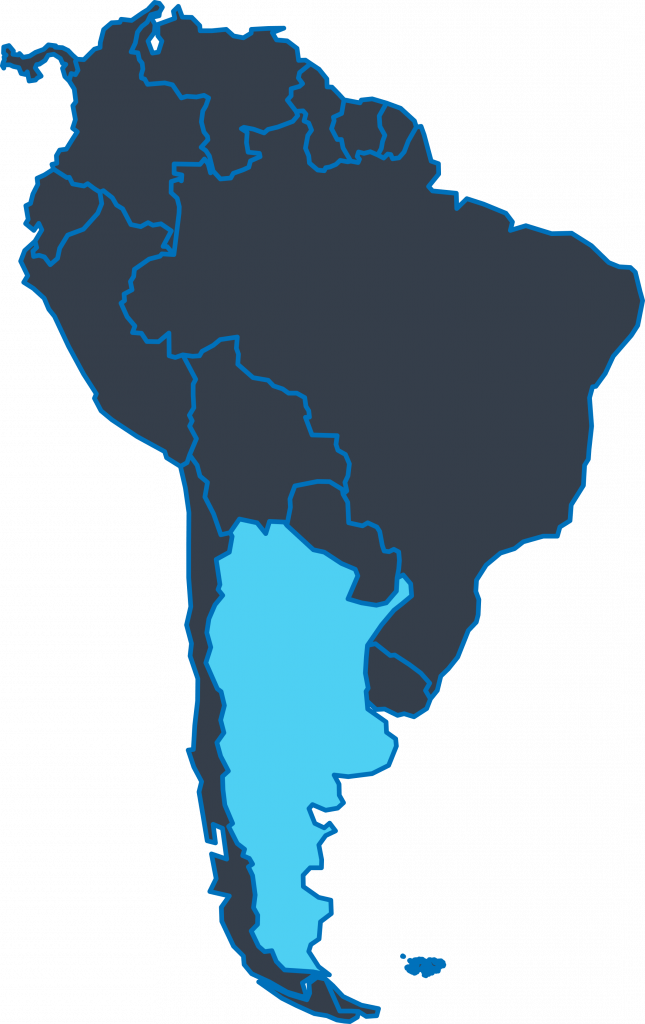
On January 30, 2026, news reports stated that Argentina was in “advanced talks” to sign an agreement to accept third country nationals. Details have not emerged, so it is unclear whether the agreement would contain an ACA. President Javier Milei later denied the reports. An ACA with Argentina has not been published in the Federal Register.
Who: Unspecified. News reports are unclear whether the agreement would allow the transfer of individuals seeking asylum in the United States, individuals with a final order of removal from the United States, or both.
Exceptions: Unspecified.
Federal Court Litigation
ACAs have been the subject of federal court litigation since a wave of new agreements were signed in 2019. Plaintiffs, often representing organizations and individuals who have been or may be harmed due to safe third country deportations, have brought their cases to federal court to preserve their rights, reverse agency action, and put a stop to unlawful policy.
U.T. v. Barr, Case No. 1:20-cv-00116, D.D.C.
Summary: This case was initiated in January 2020 to challenge the interim final rule “Implementing Bilateral and Multilateral Asylum Cooperative Agreements Under the Immigration and Nationality Act,” 84 Fed. Reg. 63,994 (November 19, 2019). In February 2021, the case was held in abeyance in light of the U.S. Government’s announcement to review, and then later suspend, the existing ACAs.
On December 19, 2025, Plaintiffs sought to file an amended complaint after new ACAs were signed with Guatemala, Honduras, Paraguay, Uganda, and Ecuador. Plaintiffs also filed a motion to certify a class of noncitizens seeking asylum, withholding of removal, or CAT protection who become subject to ACA policy and implementation.
Status (as of Feb. 9, 2026): Plaintiffs’ motion to file a second amended complaint and motion for class certification are pending with the court.
Caballero-Arauz v. DOJ, Case No. 1:25-cv-15665, N.D. Ill.
Summary: This case was initiated in December 2025 by a national of Panama with a pending asylum application before EOIR. This case challenges the interim final rule “Implementing Bilateral and Multilateral Asylum Cooperative Agreements Under the Immigration and Nationality Act” and the ACA with Honduras.
Status (as of Feb. 9, 2026): Plaintiff filed an amended complaint on January 13, 2026.
Resources
NILC, Responding to Motions to Pretermit Asylum Applications (January 20, 2026)
ILRC, Asylum Cooperative Agreements: What You Must Know (December 2, 2025)