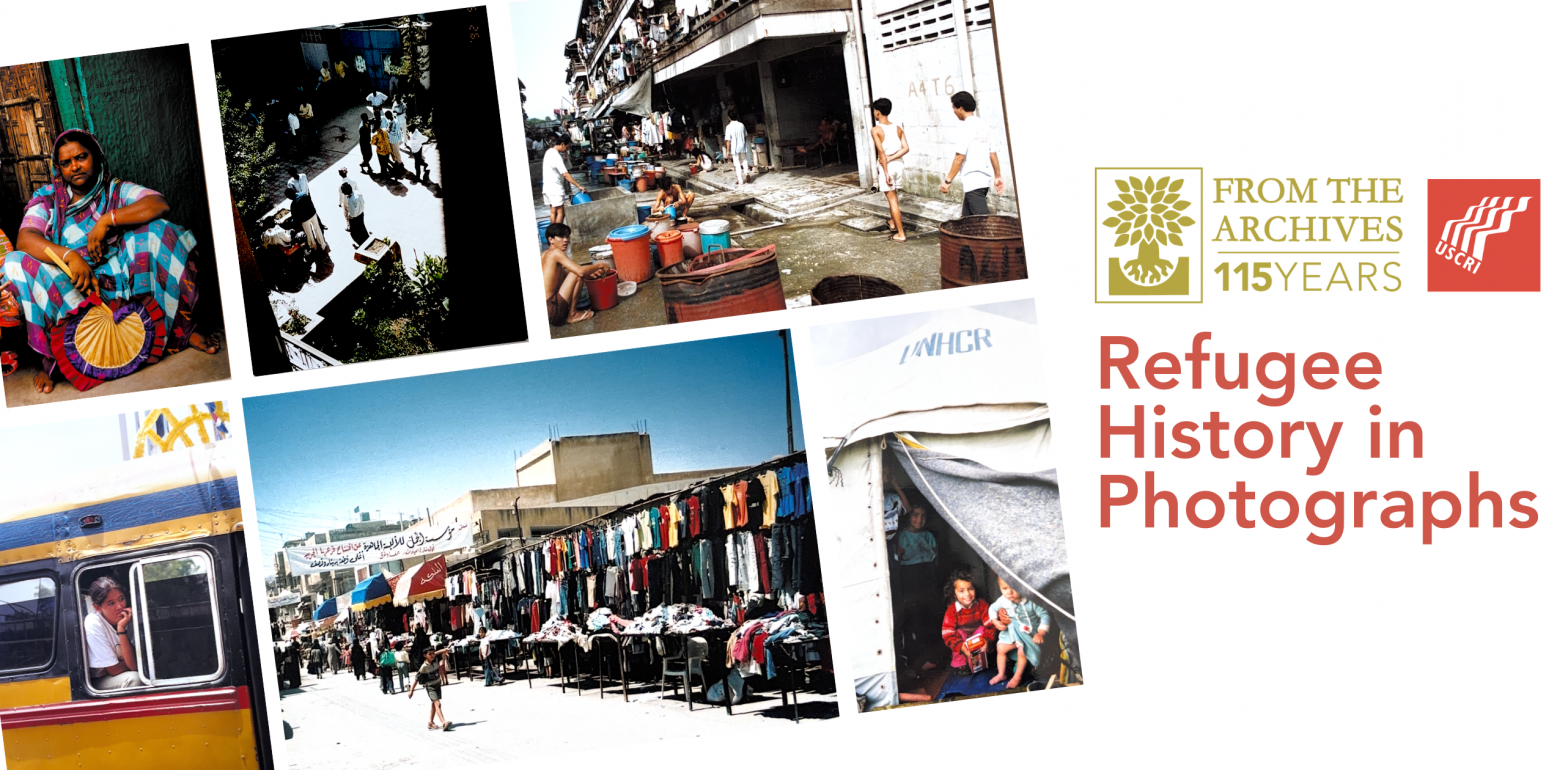
From the Archives: Refugee History...
"Let the atrocious images haunt us...The images [of suffering] say: This is what human beings are capable of doing—may volunteer...
READ FULL STORY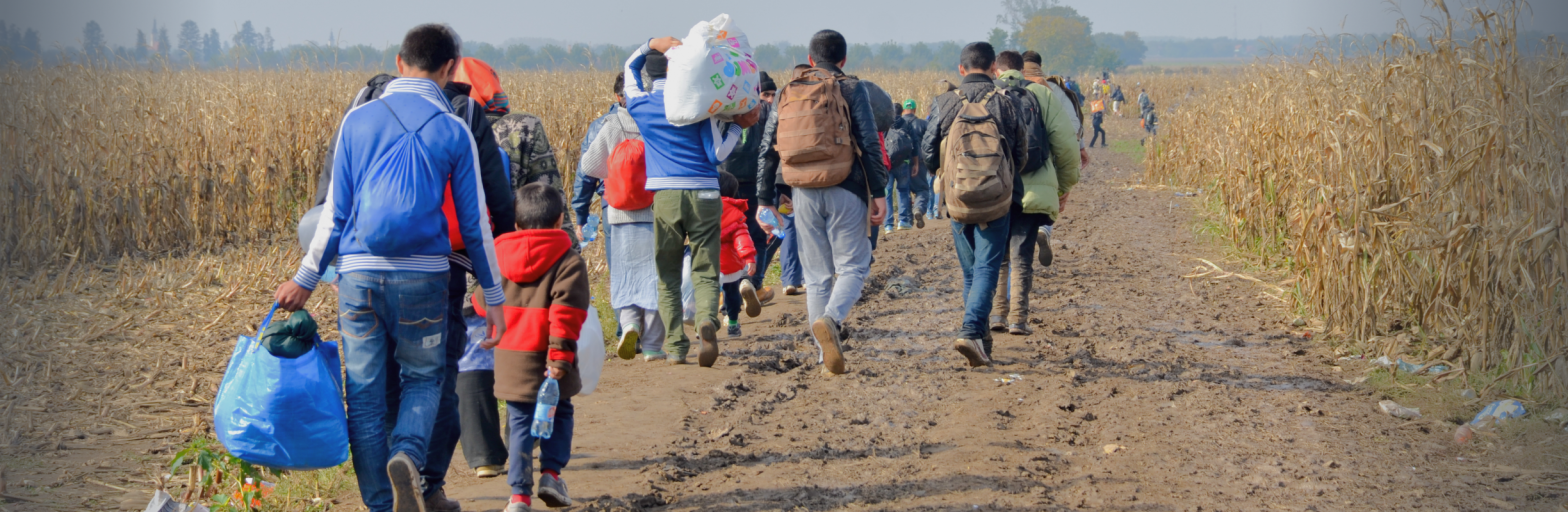
Asylum is a form of protection granted to individuals who have fled their home country due to persecution or a well-founded fear of persecution based on specific grounds—race, religion, nationality, membership in a particular social group, or political opinion.
Asylum is a critical component of international human rights law and is recognized by various treaties and conventions, including the 1951 Convention Relating to the Status of Refugees and the 1967 Protocol Relating to the Status of Refugees, which the United States is a signatory of. These two documents outline the rights of asylum seekers and the obligations of host countries.
The Refugee Act of 1980 established the legal system in the United States to protect individuals fleeing persecution, which included the principle of non-refoulement.
Asylum and refugee status protect individuals fleeing persecution and primarily differ in the process and location of application. Refugees are granted protection before entering the United States, while asylees are granted protection after arriving in the country.
Asylum seekers and refugees must demonstrate a well-founded fear of persecution based on race, religion, nationality, membership in a particular social group, or political opinion. Both statuses play a critical role in the international system of providing life-saving protection to those fleeing persecution. Asylees should be considered refugees under the broader definition of someone fleeing persecution, and access to asylum should not be diminished.
This is part of a series of snapshots from USCRI in honor of World Refugee Day (June 20)


"Let the atrocious images haunt us...The images [of suffering] say: This is what human beings are capable of doing—may volunteer...
READ FULL STORY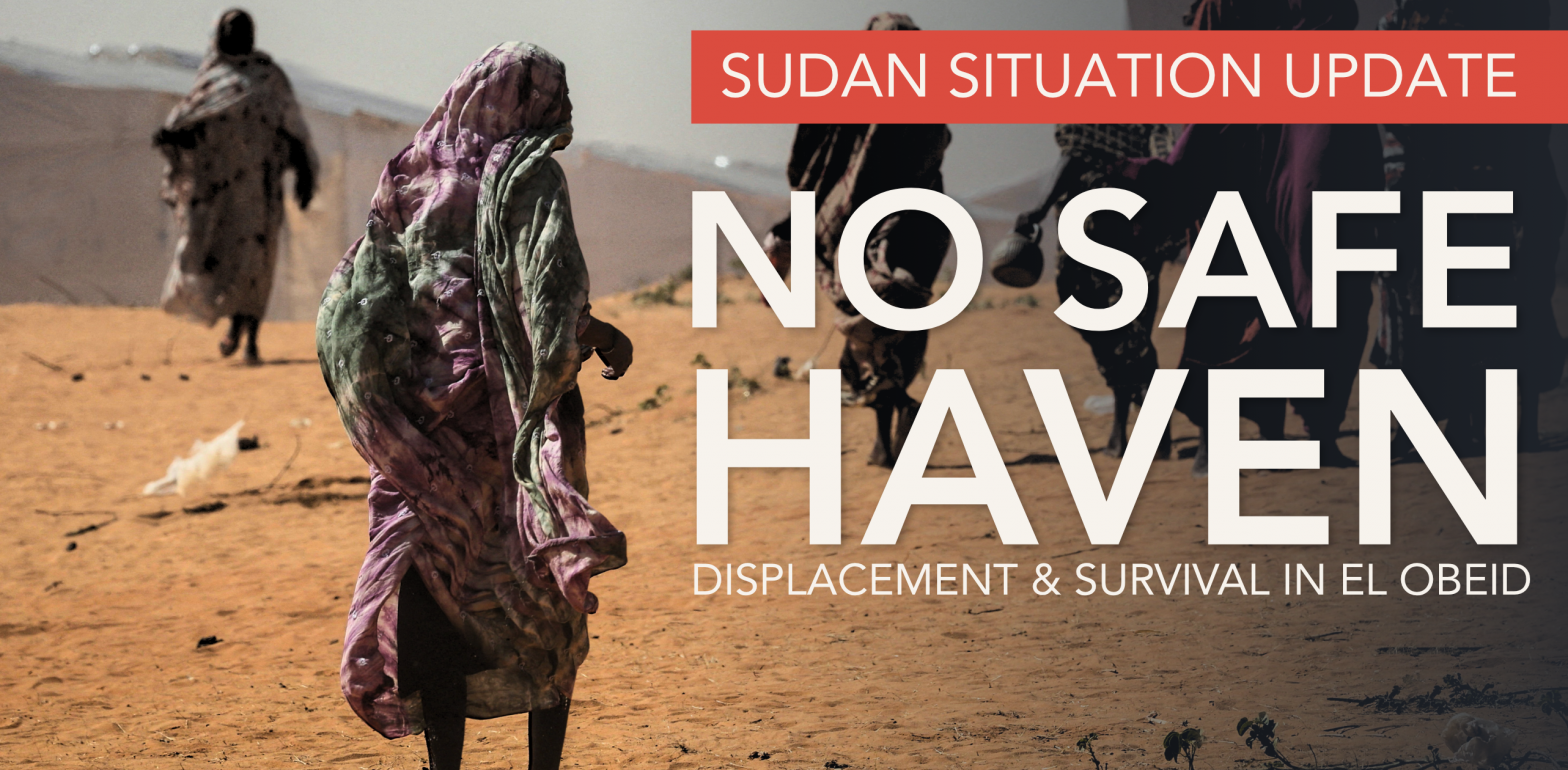
Sudan is now in its fourth year of war, and from the outset, civilians have borne the greatest costs. Since...
READ FULL STORY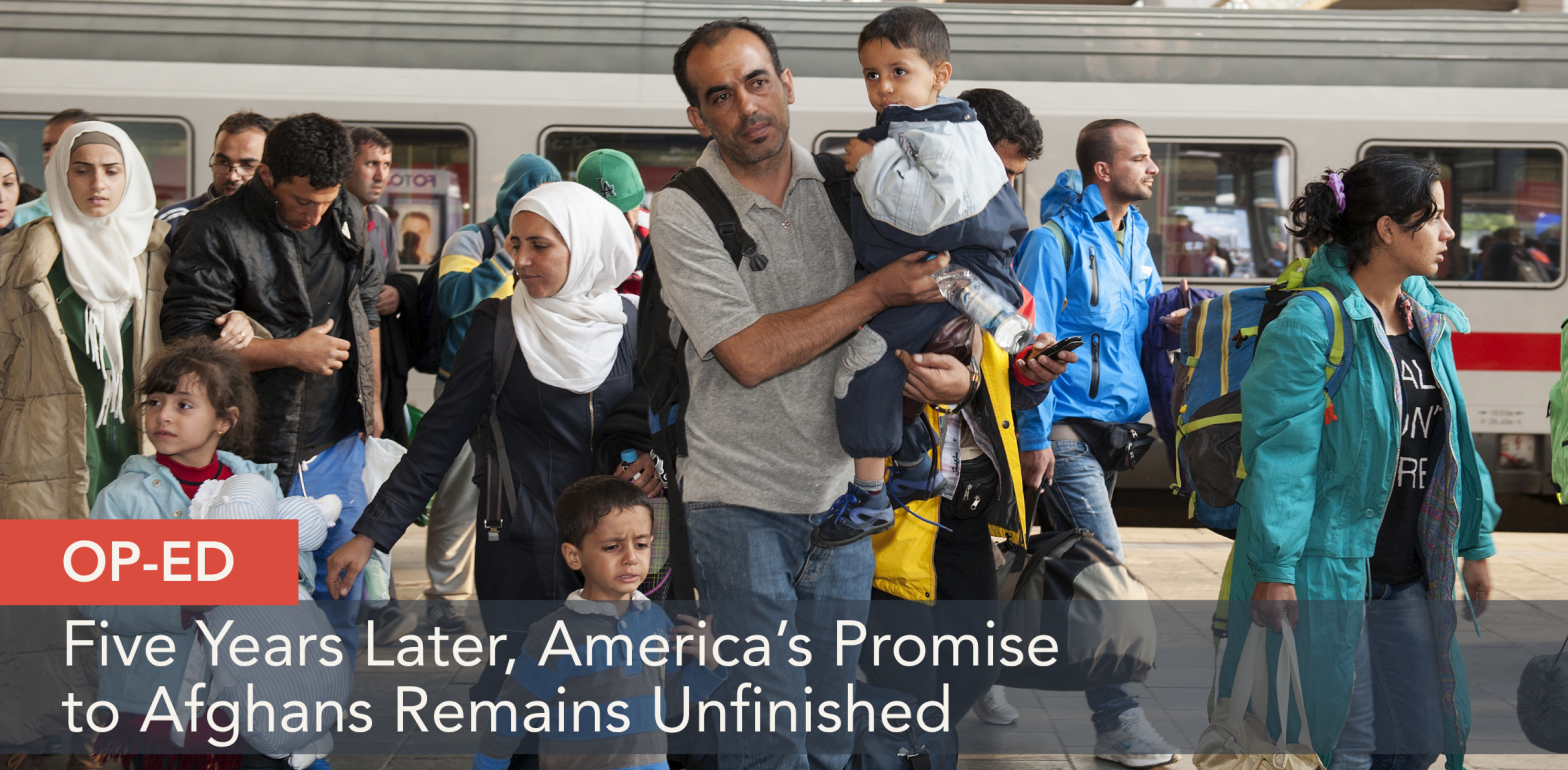
Five years ago, I turned to social media, asking people to help reunite four Afghan children with their mother in...
READ FULL STORY