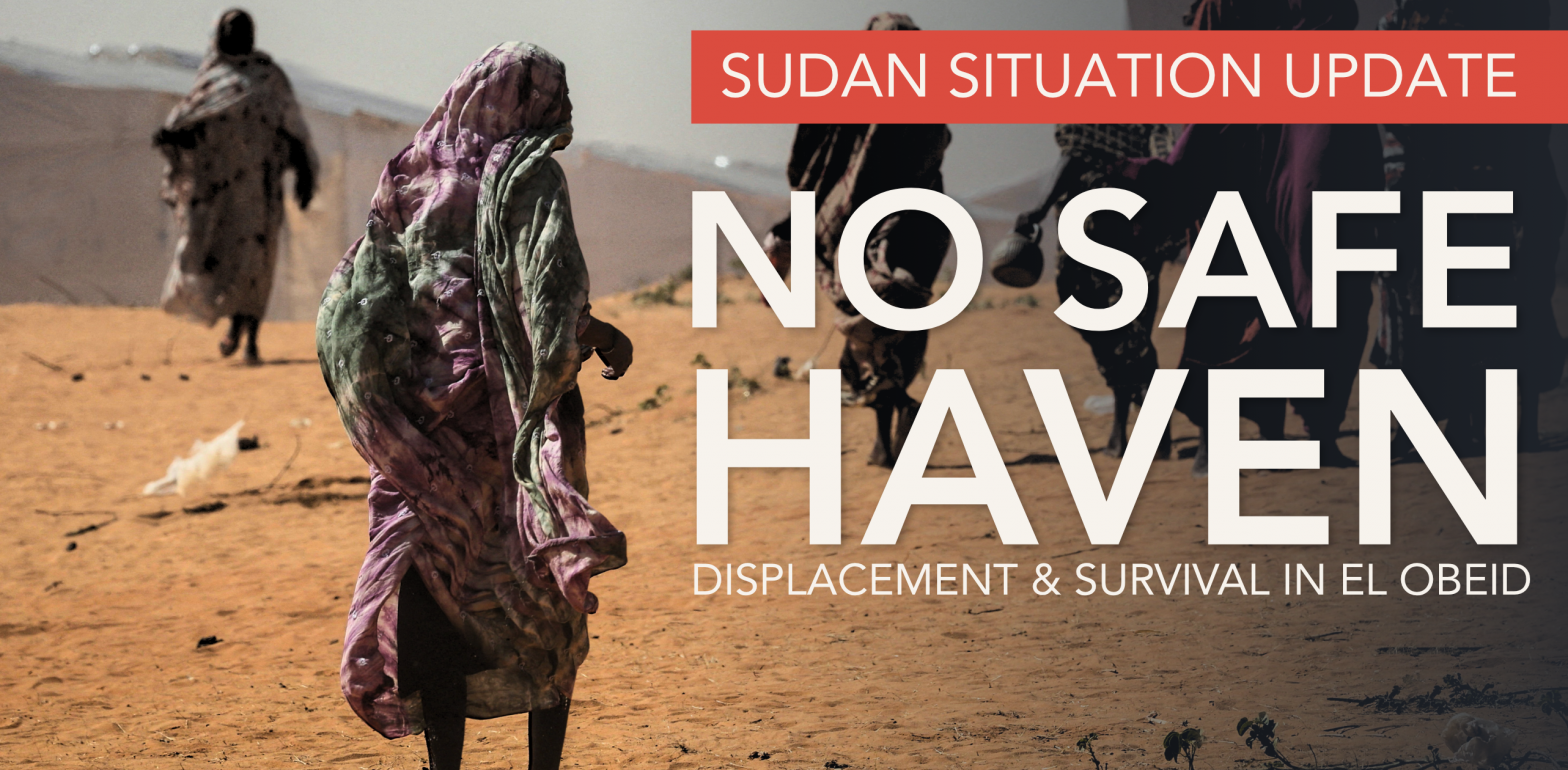
No Safe Haven: Displacement &...
Sudan is now in its fourth year of war, and from the outset, civilians have borne the greatest costs. Since...
READ FULL STORY
By: Alexia Gardner, Policy Analyst
Much of humanitarian photography on the refugee experience answers Sontag’s call. In the news and on social media we can encounter haunting images of women, children, of people experiencing hunger, homelessness, devastation.
The experience of refugees is not one of suffering alone. Looking through some of the thousands of photographs USCRI analysts have taken over the decades, we saw the faces of political dissidents who had the courage to speak out, mothers who fled to save their children, young children who still found ways to play in refugee camps. I was struck, not only by the injustices facing them, but by their resilience. Refugees are not silent figures of suffering, but people who made hard, necessary decisions under conditions no one should have to live through. This, too, is what human beings are capable of doing.
Our obligation to refugees should not come from a place of pity, but from the basic human instinct to help those in need. From knowing what human beings, ourselves included, are capable of. Not just atrocity, but of doing the right thing, of extending ourselves to those in need for no better reason than the fact that our humanity demands it.
What follows is a selection of photos from our archives, with what we know about each. In the months ahead, we’re working to catalog and preserve USCRI’s collection of thousands of photographs documenting refugee experiences and crises, particularly materials from the Rwandan genocide and other refugee crises of the 1990s. We can’t do this alone. Please consider a small donation today to help fund this work.
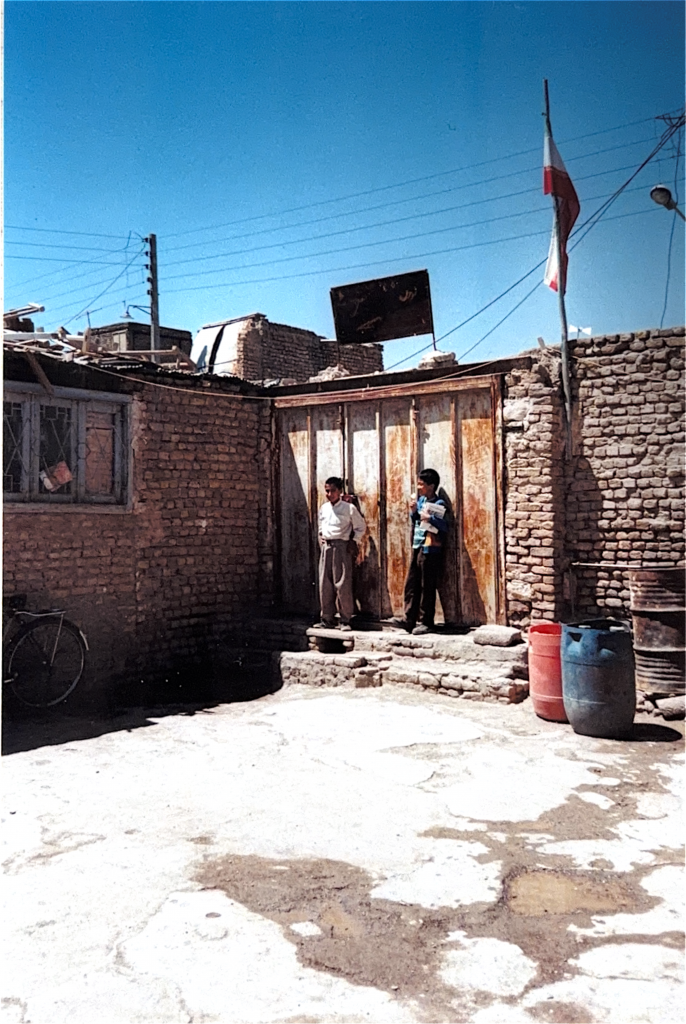
May 1999, Iran
Taken by Bill Frelick
In 1998, Iran was host to nearly 2 million refugees, most from neighboring Afghanistan. Today, with the U.S.-Iran war, many of these same refugees have had their lives shattered once again by conflict.
Read more from USCRI about Afghan refugees in Iran today here.
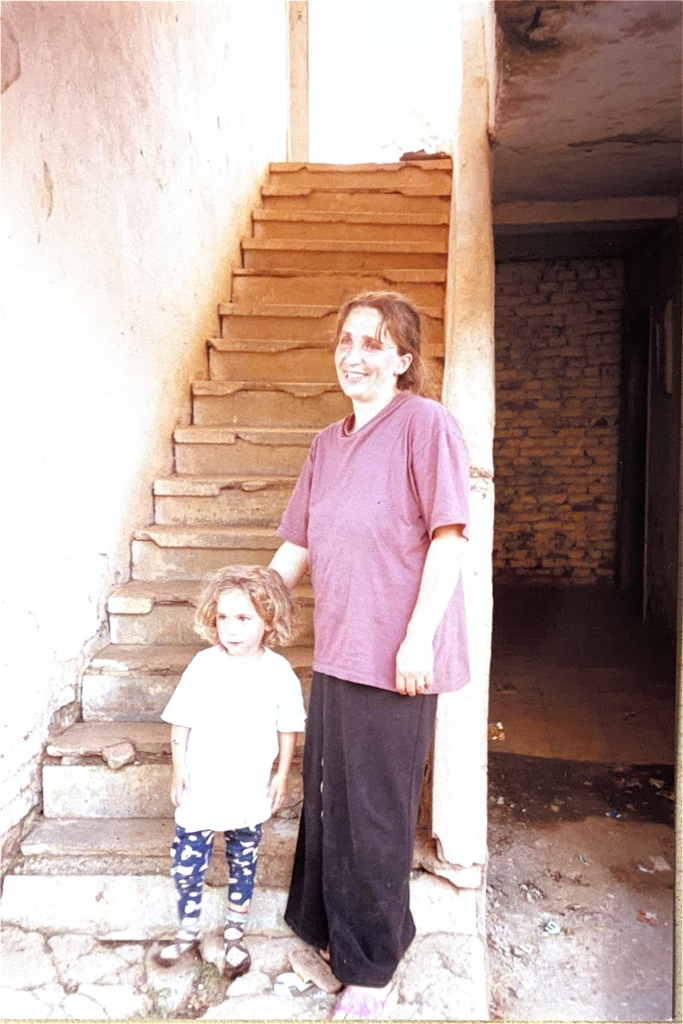
July 1998, Northern Albania
Taken by Bill Frelick
Former USCRI Policy Analyst Bill Frelick captured this mother’s testimony, which appeared in the 1998 issue of Refugee Reports:
“We fled on our hands and knees,” said this woman, because of the heavy shelling and shooting of her village near Junik, in western Kosovo. For several days, they carried the elderly, injured, and infirm through the mountains until reaching Tropoje, a border town in northern Albania.
As her daughter listens, the mother tells Refugee Reports, “I’m so proud of her. She walked the whole way unassisted.” When the 4 1/2-year-old child is out of earshot, the mother says, “She has trouble sleeping. She has nightmares and talks in her sleep. She trembles and mumbles. When anyone tries to hug her, she pulls back. This is very unusual.”
June 1999, United States of America
Taken by Brent Smith
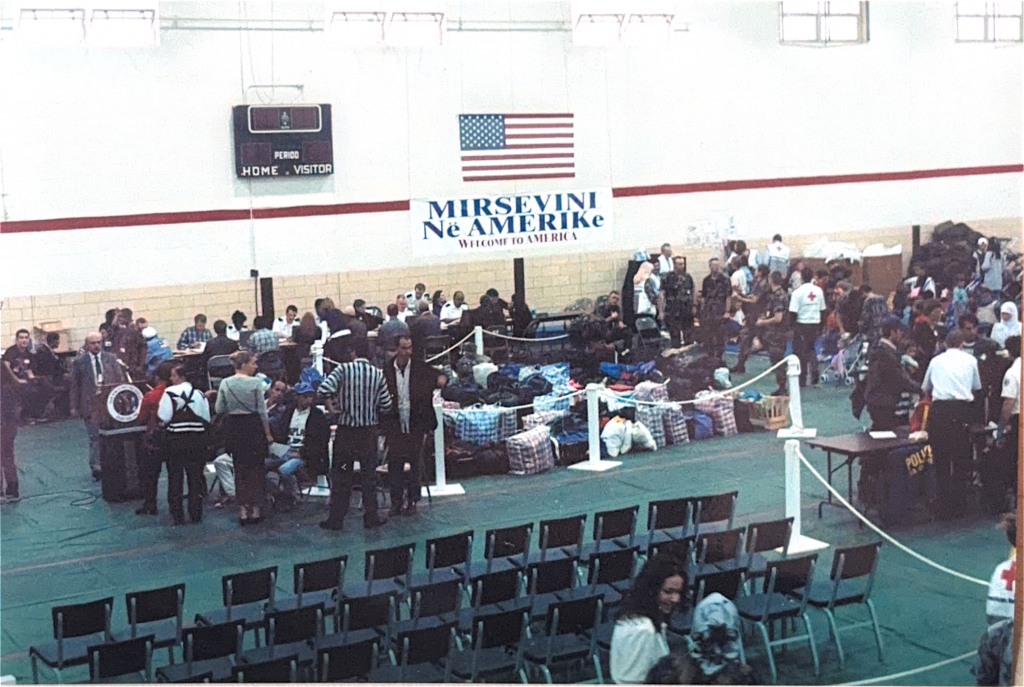
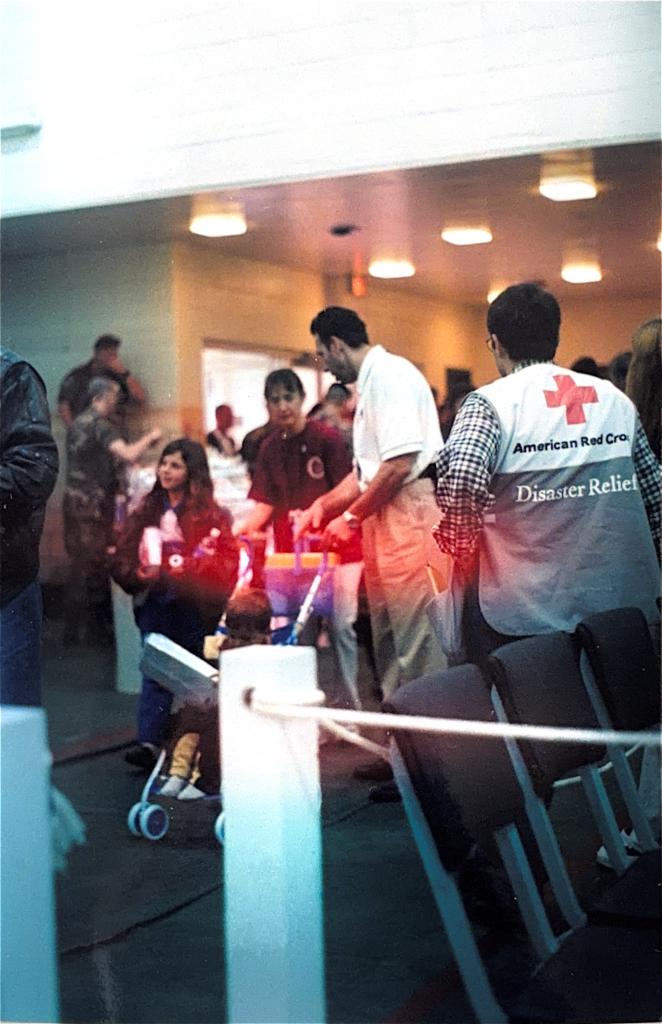
“Welcome to America,” the sign reads. Of the 20,000 Albanian Kosovars the United States committed to welcome, approximately 4,000 refugees were processed at Fort Dix in New Jersey. Like the mother and daughter photographed above, they were fleeing severe human rights violations in Kosovo, including ethnic cleansing. Read our 1999 policy brief for more on the U.S.’ resettlement of persecuted Kosovars.
September 1992, Yemen
Taken by Bill Frelick
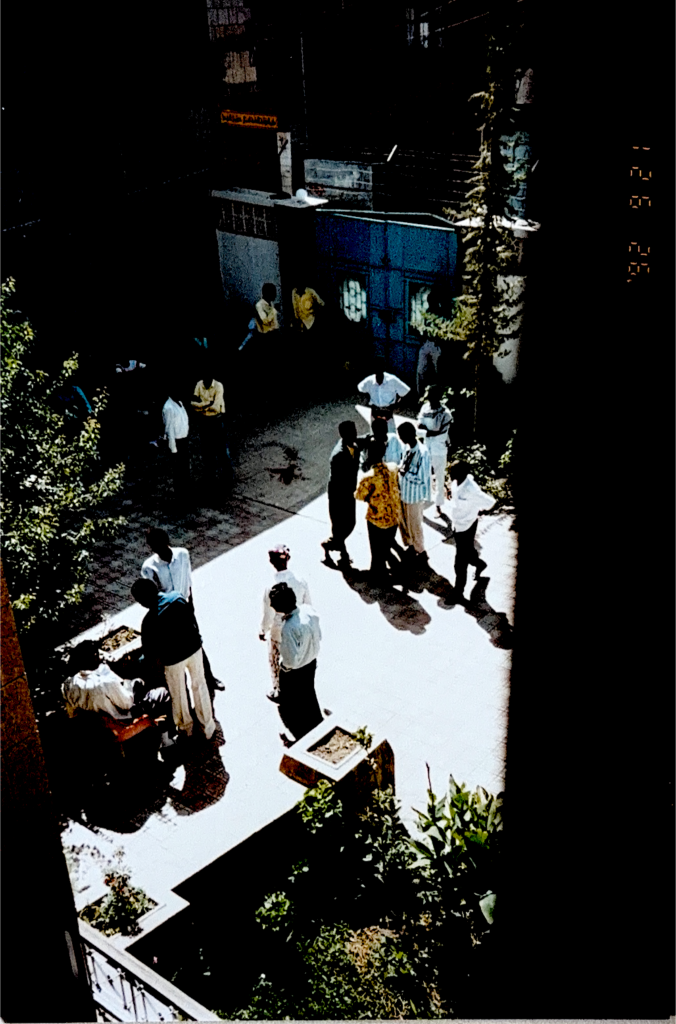
In 1991, thousands of Somalis were killed as the nation’s civil war engulfed its capital, Mogadishu. Hundreds of thousands of people were displaced, many landing in Yemen—where this photo was taken. Thirty-five years later, many of these Somalis have been forcibly uprooted again by the Yemeni civil war, some returning to Somalia.
December 1998, Porfia, Villancencio, Colombia
Taken by Hiram Ruiz
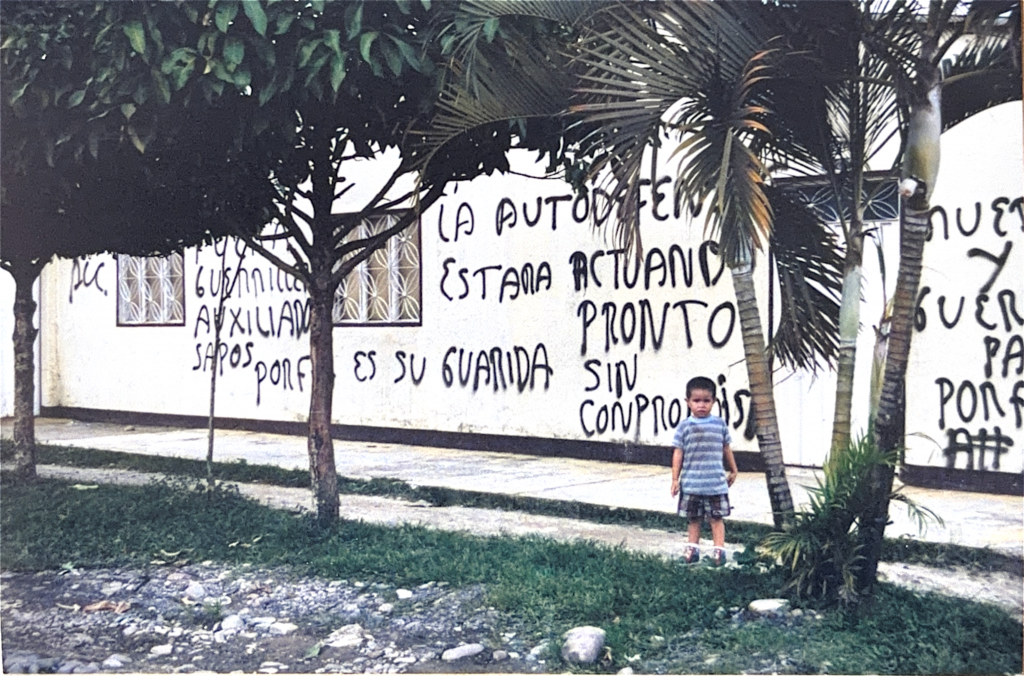
The writing on the wall behind the child is a threat from paramilitary groups against those thinking of collaborating against them. It roughly translates to:
Guerrillas, collaborators, snitches, Porfia [the town] is your lair. The Autodefensa [paramilitaries] will arrive soon. Death and war to those who collaborate against us.
This year marks 10 years since the Colombian government signed a peace accord with the FARC guerrillas, and 20 years since the signers of this message—the Autodefensas Unidas de Colombia, the nation’s then-major paramilitary group — disbanded. But in 2025 the country faced levels of violence not seen since the height of the armed conflict, when these photographs were taken. Read more about the Colombian peace processes here.
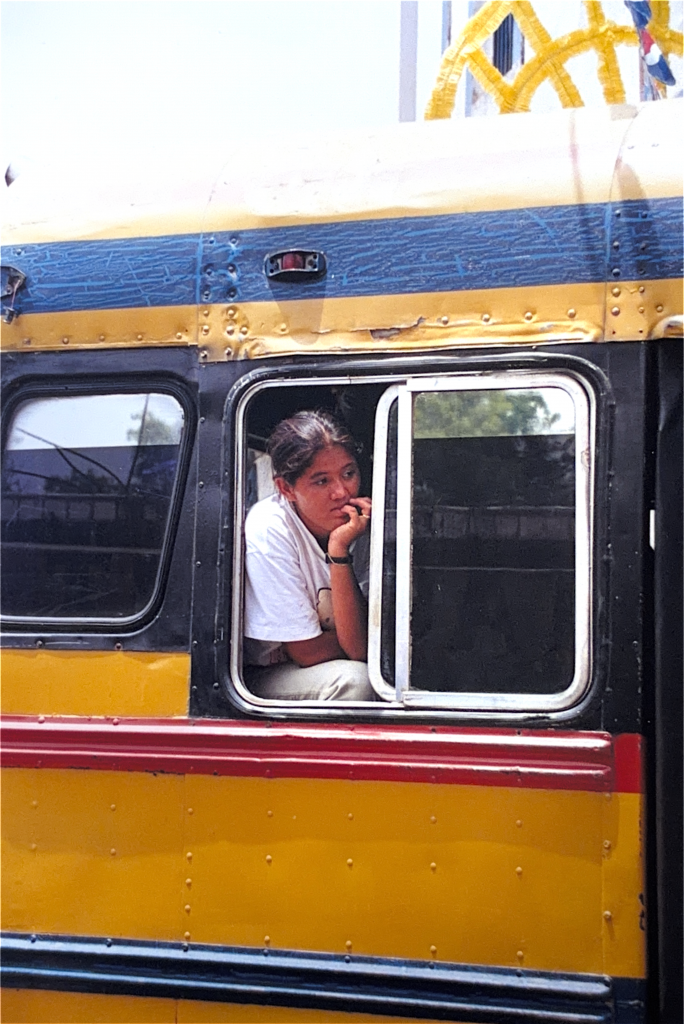
June 1999, Colombia
Taken by Hiram Ruiz
The photograph captures a Colombian girl repatriated from Venezuela. She presumably, alongside one million of her fellow citizens, fled the nation’s civil war. Today, the tables have reversed, and Venezuela’s humanitarian crisis has forced more nearly three million of its citizens to seek safety in Colombia. Read more here.
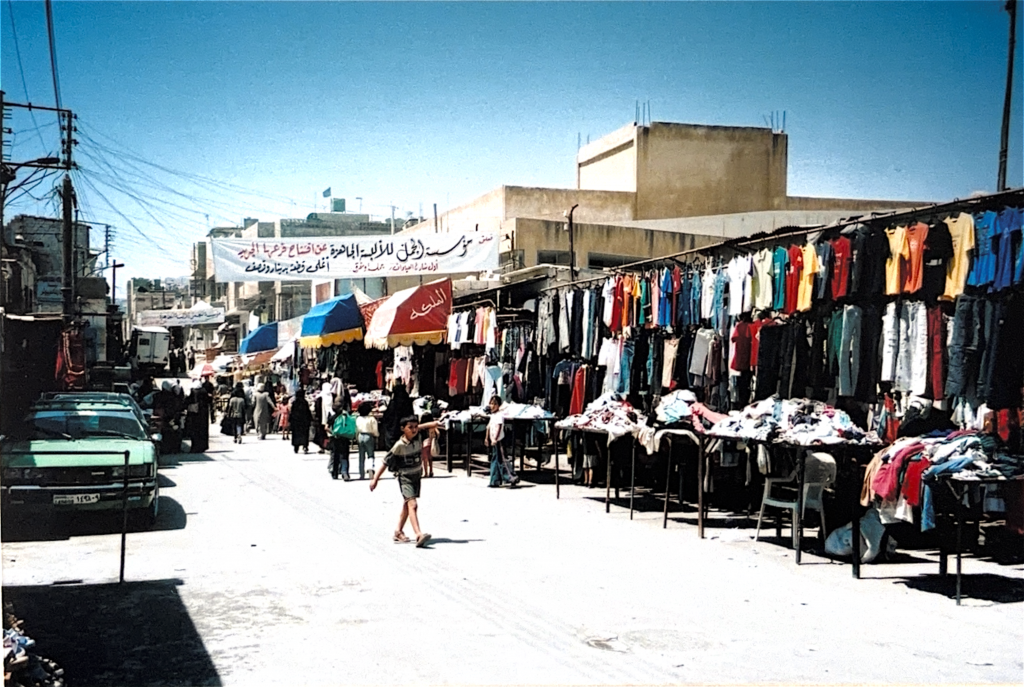
July 2004, Jordan
Taken by Hiram Ruiz
Baqa’a refugee camp, established in 1968 is, administered by United Nations Relief and Works Agency for Palestine Refugees (UNRWA). USCRI’s archives highlight the continual strain facing UNRWA, with a 1999 issue of the World Refugee Survey noting that, “since 1993, UNRWA has struggled to maintain its services for a growing refugee population with a roughly constant budget.” Today there are approximately 6 million Palestinian refugees covered by UNRWA’s mandate.
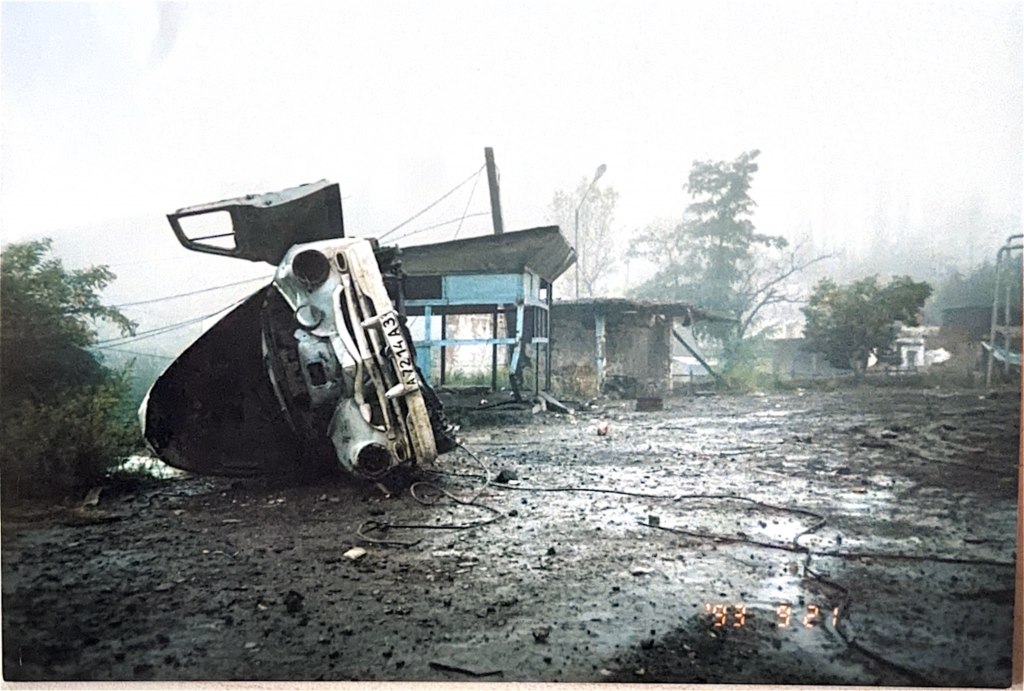
September 1993, Azerbaijan
Taken by Bill Frelick
In the aftermath of the collapse of the Soviet Union, intense fighting broke out between Azerbaijan and Armenia, displacing over 300,000 people.
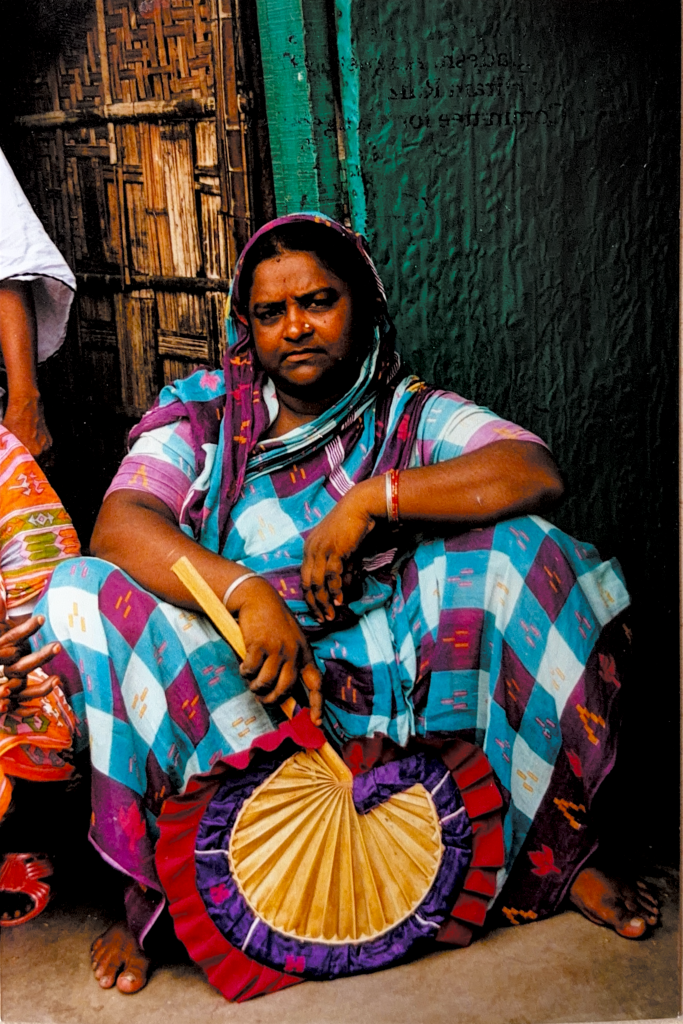
August 1997, Bangladesh
Taken by Hiram Ruiz
1997 marked 50 years after the partition of India and Pakistan. 15 million people were forcibly displaced; amongst them included Biharis, Muslims from the Bihar region of India. Unlike other Muslim populations in Eastern Pakistan (today Bangladesh), they were Urdu-speakers with closer ties to what was then Western Pakistan. When Bangladesh split from Pakistan, Bangladesh viewed the Baharis with suspicion. While many were able to move to (Western) Pakistan, others remained in Bangladesh, where violence forced them into Bahari-only refugee camps. In 2008, a high court in Bangladesh granted them citizenship, ending their long period of statelessness. However, many still live in refugee camps.
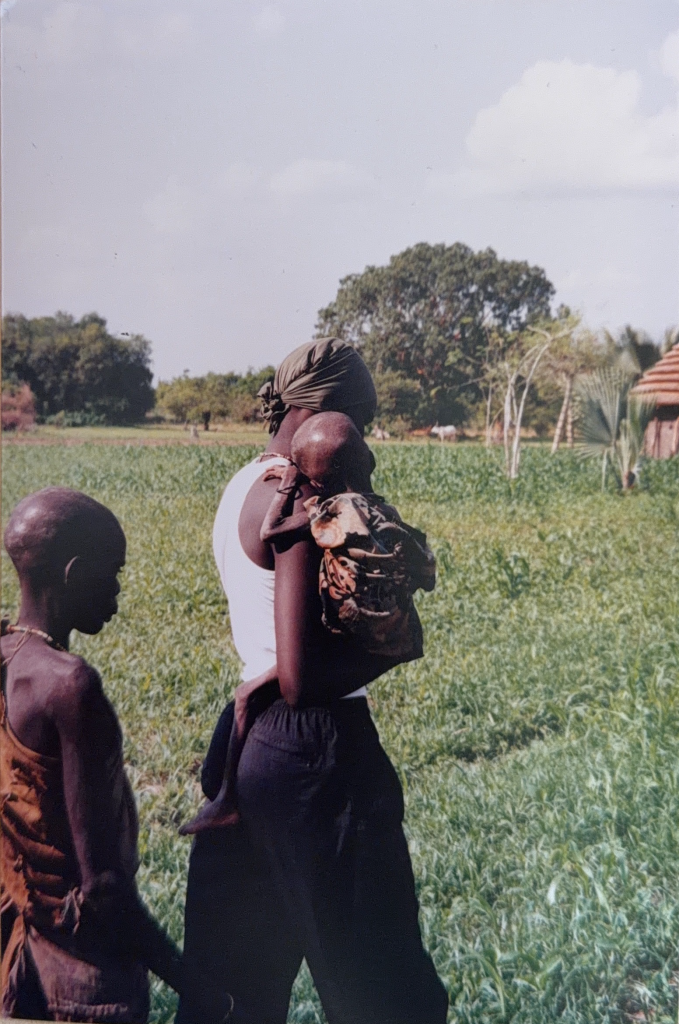
June 1998, Sudan (today South Sudan)
Taken by Roger Winter
In the late 1990s, over 1.5 million Sudanese people were internally displaced. Civilians were the target of aerial bombings, while large swaths of the country suffered food shortages, leading to a malnutrition crisis. From March to June of 1997, the Sudanese government banned C-130 aircrafts from air-dropping food to remote regions, amplifying existing levels of malnutrition.


Sudan is now in its fourth year of war, and from the outset, civilians have borne the greatest costs. Since...
READ FULL STORY
Five years ago, I turned to social media, asking people to help reunite four Afghan children with their mother in...
READ FULL STORY
To celebrate the D.C. and greater DMV food scene is to celebrate the immigrants who helped build it. For generations,...
READ FULL STORY