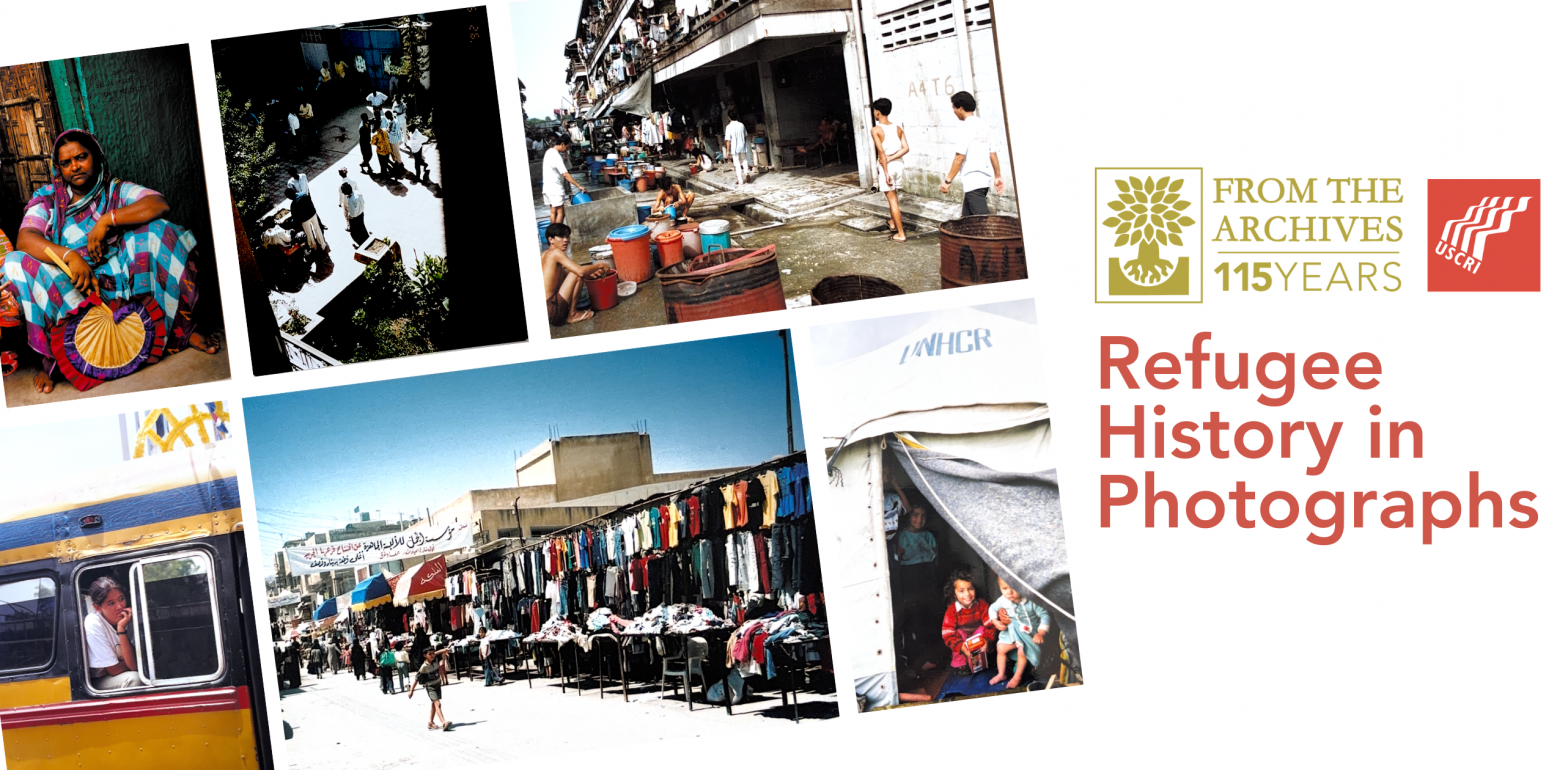
From the Archives: Refugee History...
"Let the atrocious images haunt us...The images [of suffering] say: This is what human beings are capable of doing—may volunteer...
READ FULL STORY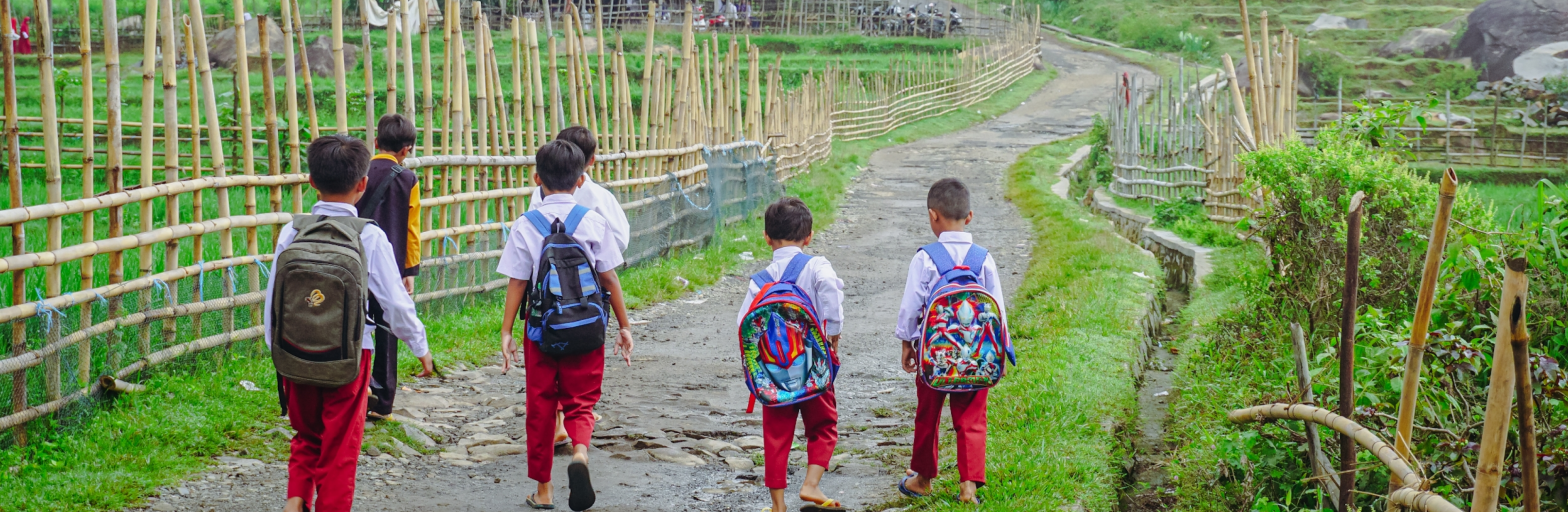
Four years have passed since the military seized power in Myanmar in a violent coup that shattered the lives of millions of people. Since then, Myanmar has descended into a deep humanitarian crisis marked by mass killings, arbitrary detentions, displacement, and severe restrictions on freedom and access to basic rights. In the face of these horrors, thousands of people from Myanmar have fled, many of whom now live in the United States with Temporary Protected Status (TPS)—a humanitarian tool that permits nationals of designated countries to remain in the United States while conditions in their home country prevent safe return. To make matters worse, a recent devastating earthquake, which occurred after the last TPS designation for Myanmar, crippled an already weak infrastructure.
For earthquake survivors and for individuals unable to return home for fear of being killed, TPS has become more than just a policy; it is a lifeline. It gives individuals from Myanmar protection from deportation, prevents them from being detained, allows them to work legally, support their families, contribute to this nation, and begin rebuilding their lives safely in the United States.
Why TPS Must Be Extended for the People of Myanmar
The situation in Myanmar is terrible. Approximately 3.5 million people are displaced internally, and nearly 20 million people are in need of humanitarian assistance. The military junta continues to bomb civilian areas, block humanitarian aid, and target ethnic minority communities. In Chin, Kachin, Karen, Shan, and Arakan States, villages were burned to ashes. Ethnic minorities in these states, like the Rohingya,[1] are still facing genocide and are denied basic rights. This crisis is ongoing with no foreseeable quick resolution.
The uncertainty around TPS has left those living with its protection in great fear of being deported. Returning people to Myanmar under these conditions would be dangerous and inhumane. Many fled with only what they could carry, having faced persecution, loss, or threats to their lives. For many, the idea of returning to Myanmar is not even a possibility. Many are not welcome in Myanmar, the country that stripped them of their basic rights and denied them citizenship. The United States must act to extend and redesignate TPS for Myanmar and uphold its humanitarian obligations to prevent individuals from being returned to harm’s way.
“I left Myanmar to escape genocide. I didn’t just come to the United States to survive. I came here to rebuild my life. With TPS, I’ve been able to contribute to this country, support my family, and volunteer in my community. TPS gave me the right to exist again. Please don’t take it away.”
-Anonymous TPS beneficiary
The Role of TPS and the Need for Extension
TPS is designed for precisely this type of crisis. It provides temporary immigration relief to individuals from countries facing ongoing armed conflict, persecution, or environmental disasters that make return unsafe. The people of Myanmar continue to qualify under all of these criteria.
The United States has historically played a leadership role in refugee protection and human rights, and extending and redesignating TPS for Myanmar nationals is consistent with these values. It is also consistent with democratic values, religious freedom, and current foreign policy goals. It is important to continue the TPS designation and expand pathways for permanent legal status for the people of Myanmar, as they cannot return home.
The United States has a legal mechanism to protect these individuals, and it must use it. Extending and redesignating TPS for Myanmar is lawful and humane.
By: Yasin, refugee advocate and nonprofit expert
This blog was written by a refugee from Myanmar and includes a quote from a current Temporary Protected Status (TPS) beneficiary. USCRI provided editorial support and input to help shape and amplify the voices and experiences shared.


"Let the atrocious images haunt us...The images [of suffering] say: This is what human beings are capable of doing—may volunteer...
READ FULL STORY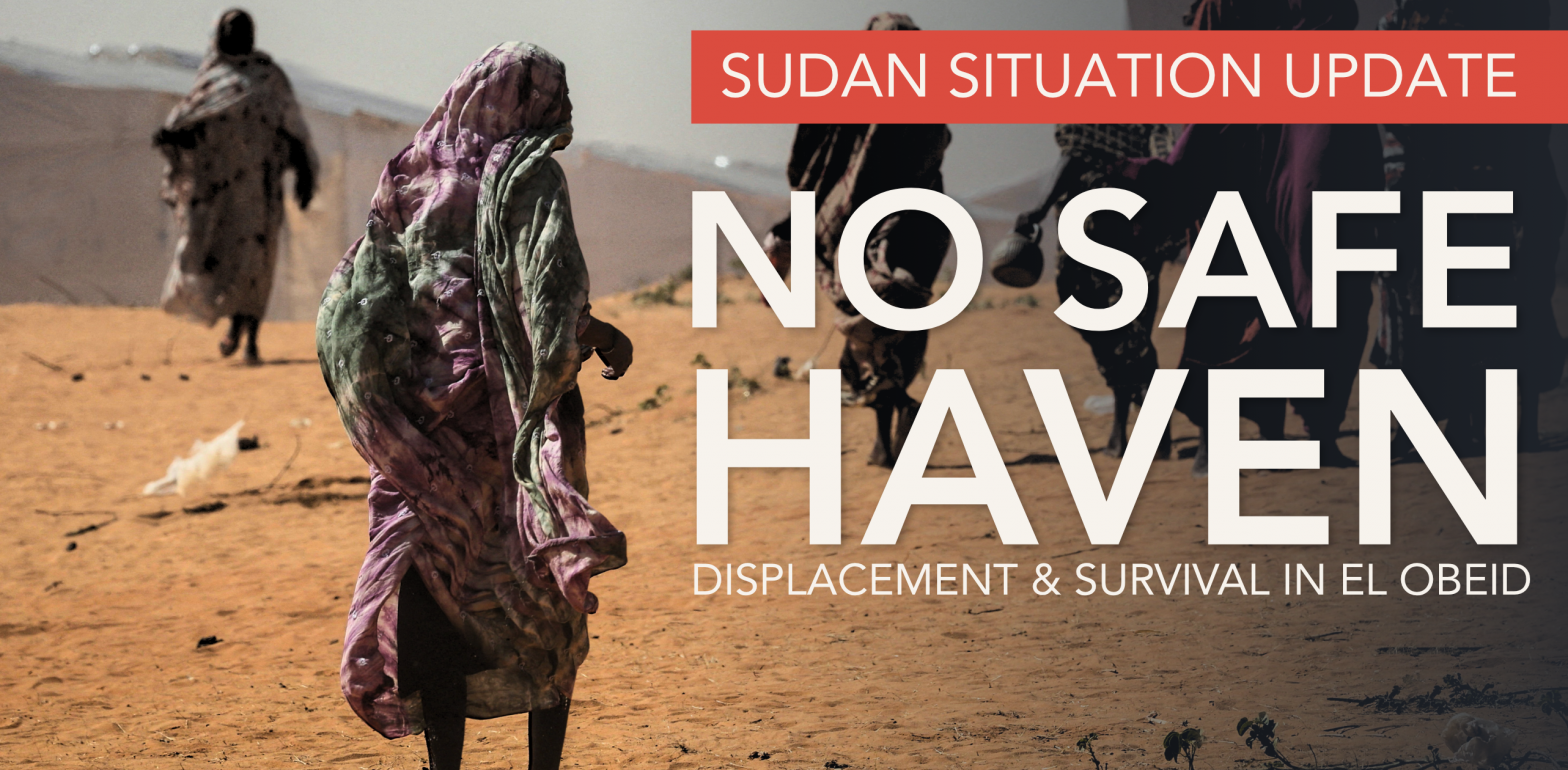
Sudan is now in its fourth year of war, and from the outset, civilians have borne the greatest costs. Since...
READ FULL STORY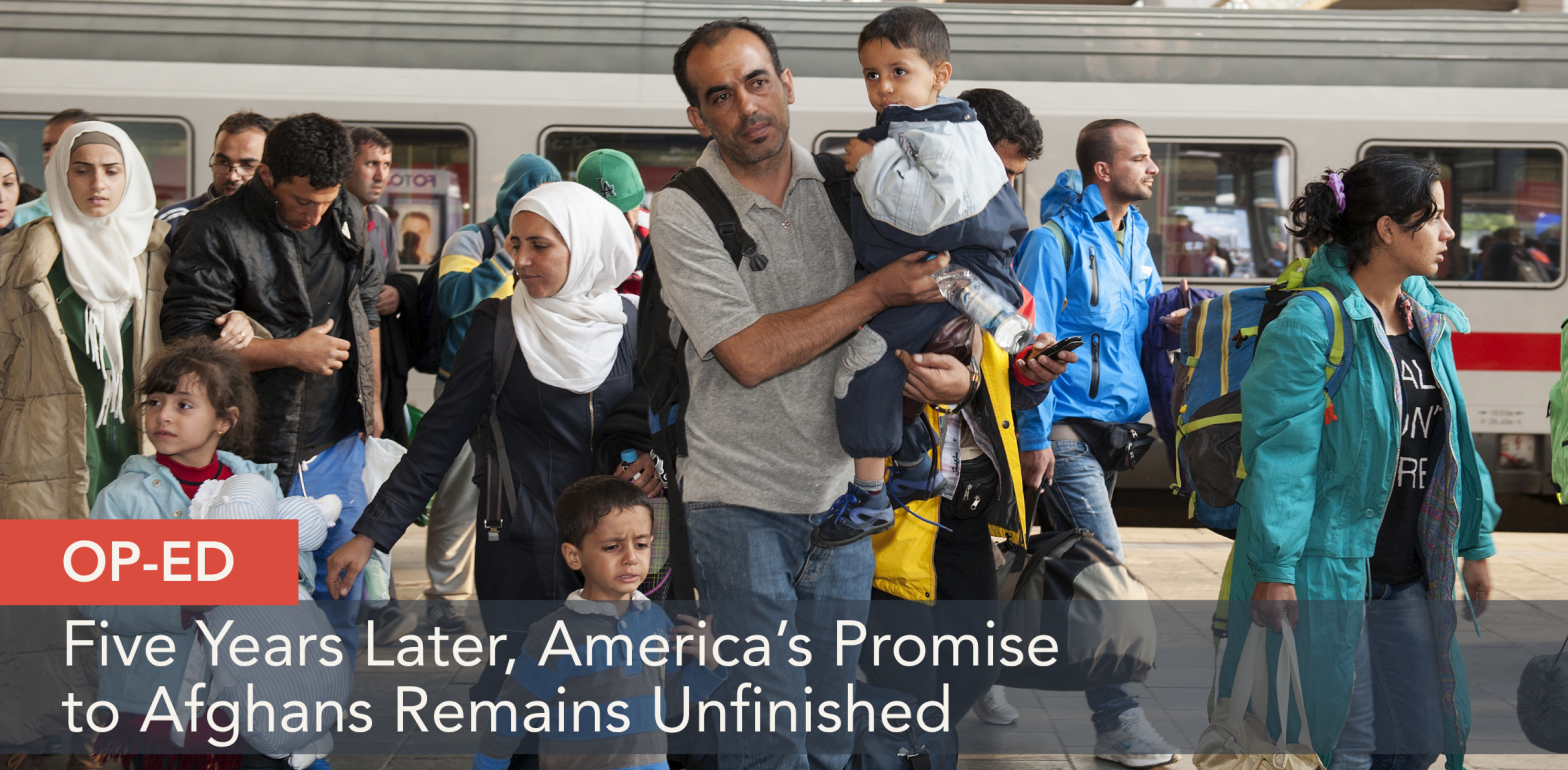
Five years ago, I turned to social media, asking people to help reunite four Afghan children with their mother in...
READ FULL STORY