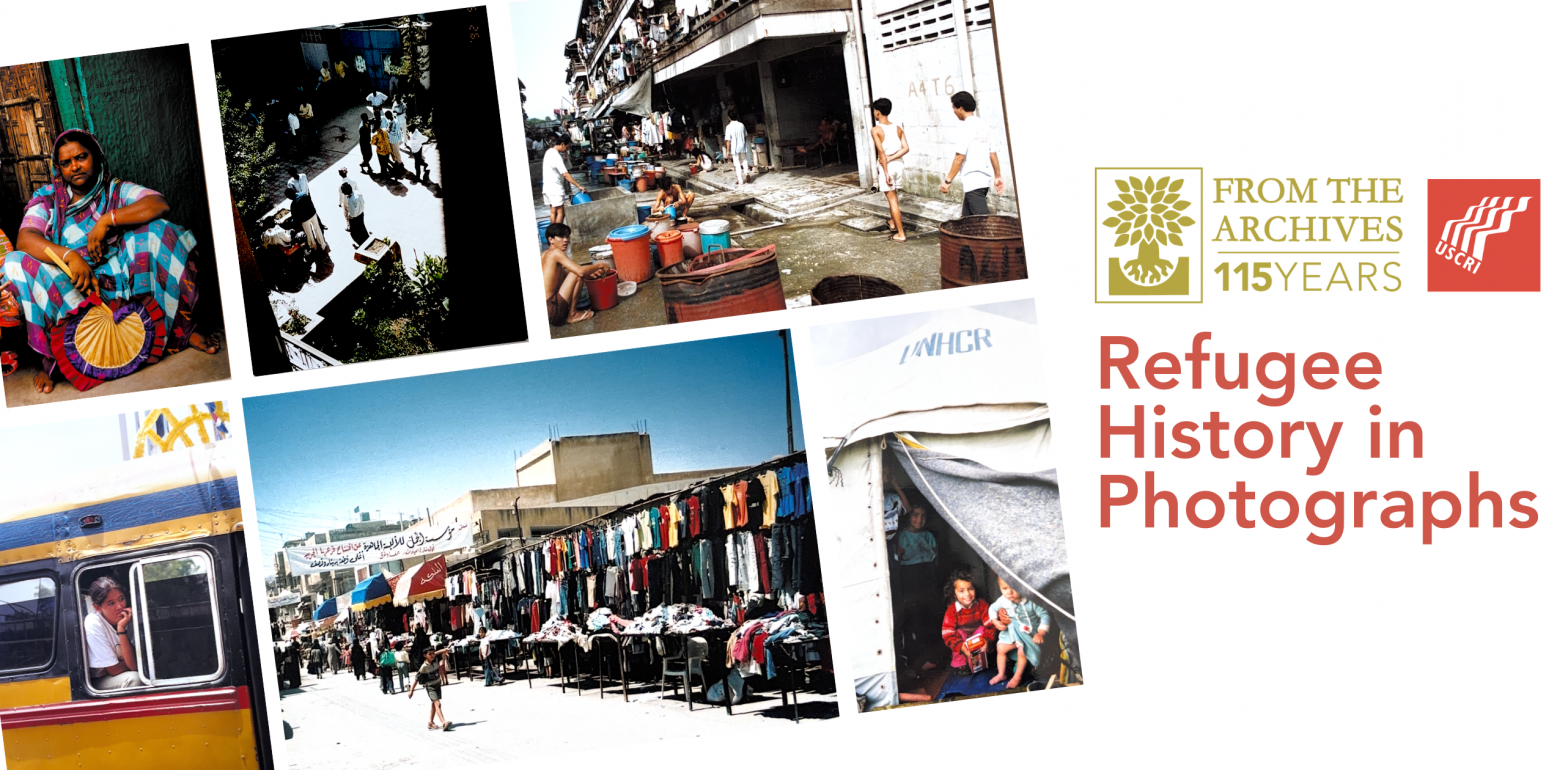
From the Archives: Refugee History...
"Let the atrocious images haunt us...The images [of suffering] say: This is what human beings are capable of doing—may volunteer...
READ FULL STORY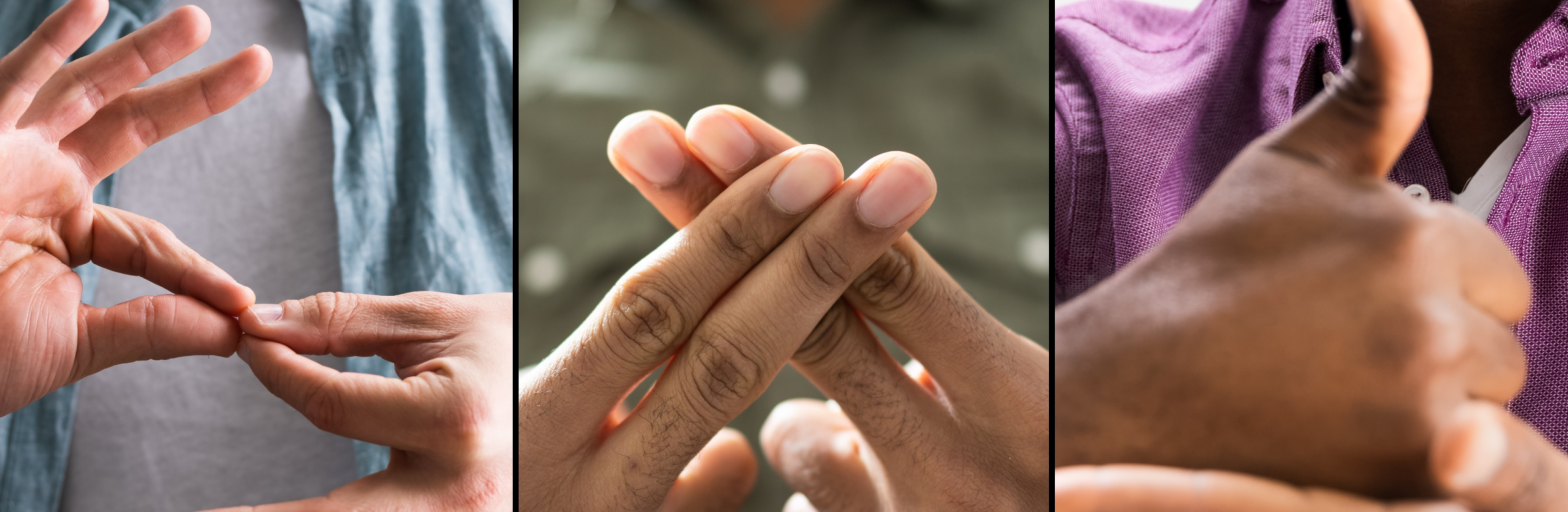
In recognition of Developmental Disabilities Awareness Month, we want to share a story from USCRI Vermont that stayed with us — one that reshaped how we think about language, disability, and what it truly means to welcome someone.
When we learned that a young client from Northern Africa would be arriving in the United States with a hearing disability, we did what seemed natural: we reached out to our local Deaf and Hard of Hearing partners and arranged for an American Sign Language (ASL) interpreter to be present upon arrival.
It was a reasonable response, but it wasn’t the right one. And we caught ourselves before it became a barrier.
ASL is the dominant sign language in the United States, but it is far from the only one. Across the world, hundreds of distinct sign languages have developed, each shaped by culture, geography, and community. A person who grew up in North Africa almost certainly did not grow up signing in ASL. Placing an ASL interpreter in front of them would be like greeting a French speaker with a Portuguese translator — technically a language, but not their language.
Our team reached out to the client’s family, both those already in the United States and those still abroad. We wanted to understand how this person communicated: Which sign language did they use? Did they lip-read? In what spoken language? What had worked for them before?
These conversations took time. They required sensitivity and humility. But they gave us what we needed: a clear picture of this individual’s unique communication needs.
Once we knew which sign language the client used, we began searching for a qualified interpreter fluent in that specific language. It wasn’t easy, but after extensive outreach, we found a university professor with exactly the expertise we needed.
By the time our client landed, everything was in place. The professor was at the airport to greet them and remained with them through their Domestic Health Assessment and their first primary care appointments. From the moment they arrived, they had someone who could truly understand them.
Inclusion is not a checkbox. It is not arranging “an interpreter” and moving on. It is asking whose interpreter, in which language, for which community. It is recognizing that disability, culture, and communication are inseparable and that no two people’s needs are the same, even when their diagnoses are.
This experience reaffirmed the core principle of our work: equity requires intentionality. Even within the disability community, communication and access needs are not uniform. Providing truly inclusive services means honoring each client’s unique cultural, linguistic, and disability-related experiences — ensuring they feel seen, understood, and supported from their very first moments in the United States.


"Let the atrocious images haunt us...The images [of suffering] say: This is what human beings are capable of doing—may volunteer...
READ FULL STORY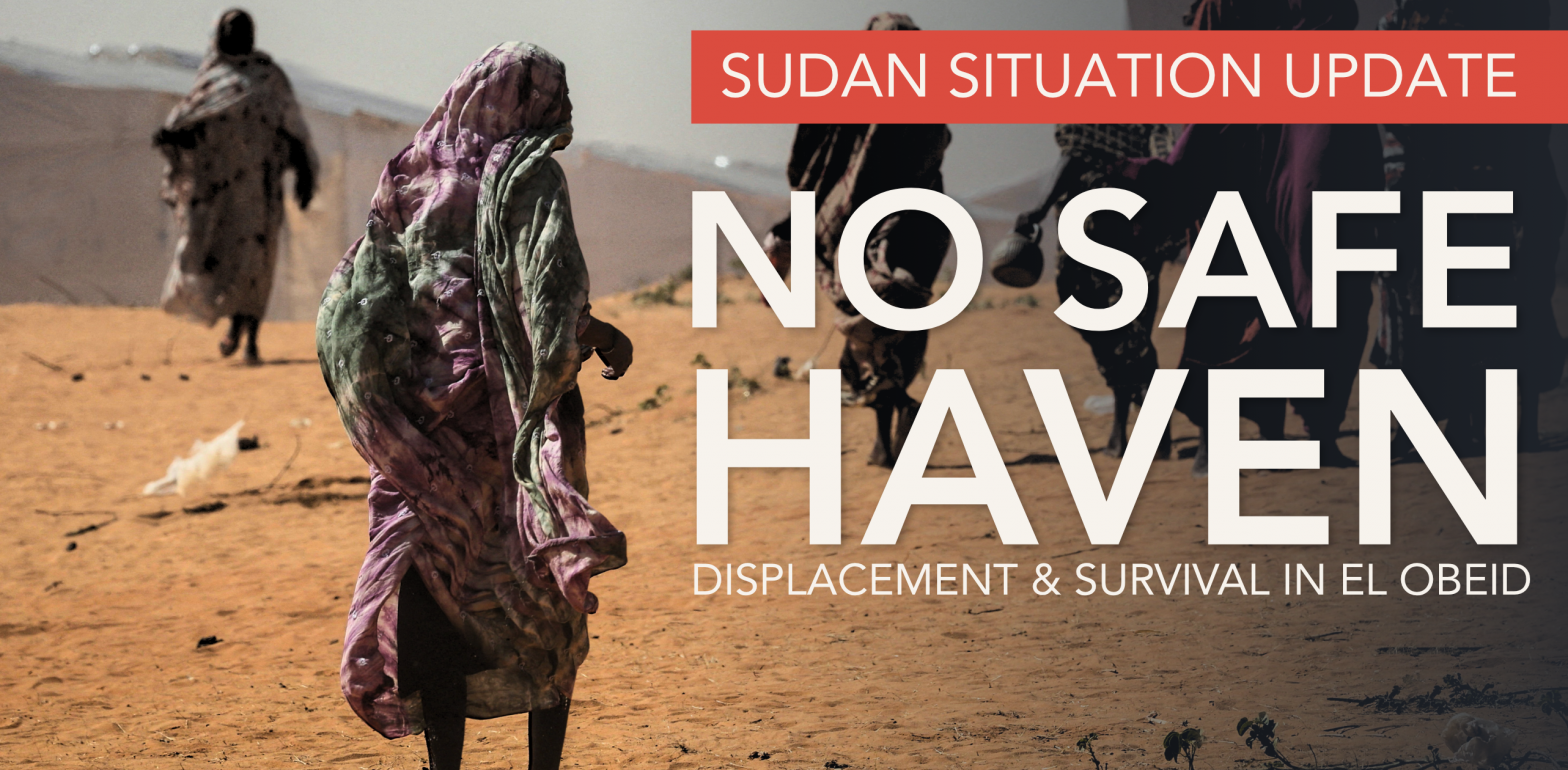
Sudan is now in its fourth year of war, and from the outset, civilians have borne the greatest costs. Since...
READ FULL STORY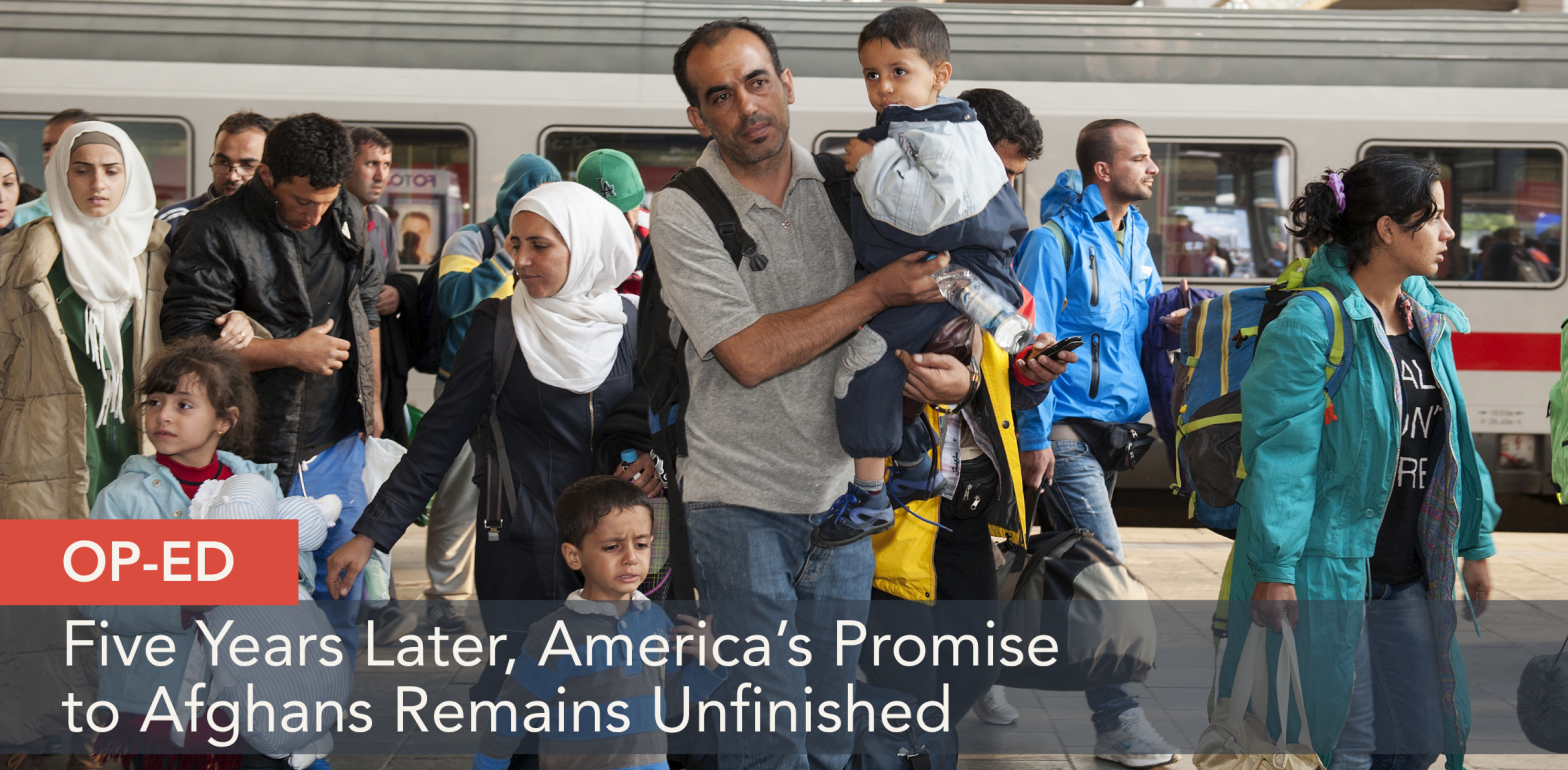
Five years ago, I turned to social media, asking people to help reunite four Afghan children with their mother in...
READ FULL STORY