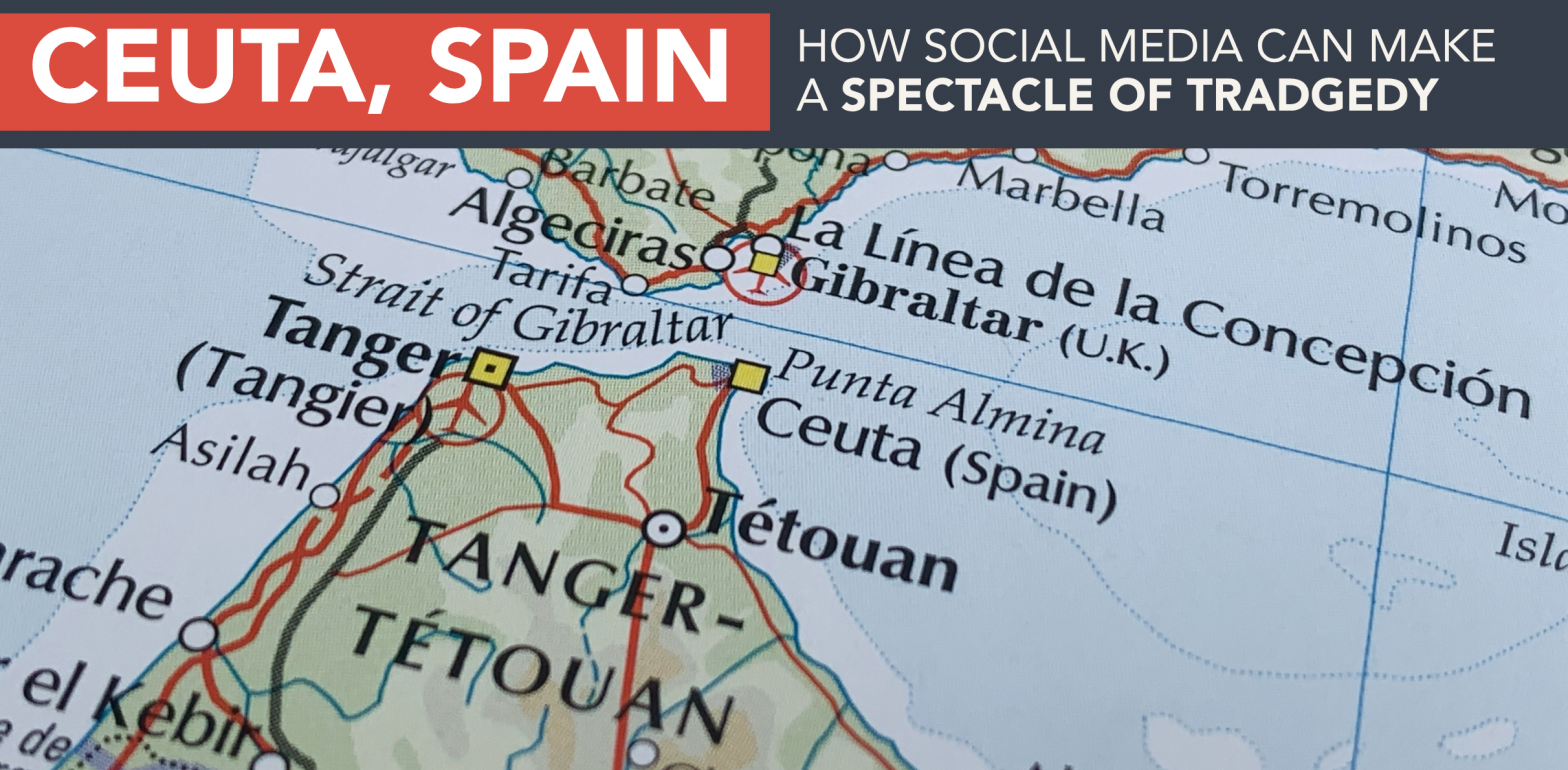
Ceuta, Spain – How Social...
In the weeks following the end of July 2026, the media has been flooded with pictures and videos of tens of thousands...
READ FULL STORY
At the end of January, the United Nations Human Rights Committee ruled for the first time that countries may not deport refugees who face climate change-induced conditions that put their lives at risk, or place them in danger of cruel, inhuman, or degrading treatment.1 While the landmark judgment is not binding, it does emphasize that countries have a legal responsibility to protect people whose lives are threatened by the climate change crisis. Yet, refugees fleeing climate change are not the only victims of the crisis. Many have lost their livelihoods and have been caught up in migrant smuggling and human trafficking networks that have expanded globally as a result of climate change. Some have fallen prey as victims to professional smugglers and traffickers while others have been persuaded to work for the networks themselves, often being used as pawns to take criminal responsibility, or in highly dangerous roles. In particular, the diminishing fishing industry in Oceania has caused many fisherman and boat crews to lose their livelihoods. As a result, migrant smuggling networks in the region have steadily employed them in roles that have greater danger involved and expose them to criminal liability, creating unforeseen victims. In this brief, we look at migrant smuggling briefly and how the impacts of climate change have brought many into the mire of criminal forced migration in Southeast Asia and Oceania.
Read the full USCRI report 8_10_20_Brief_FishingSmuggling


In the weeks following the end of July 2026, the media has been flooded with pictures and videos of tens of thousands...
READ FULL STORY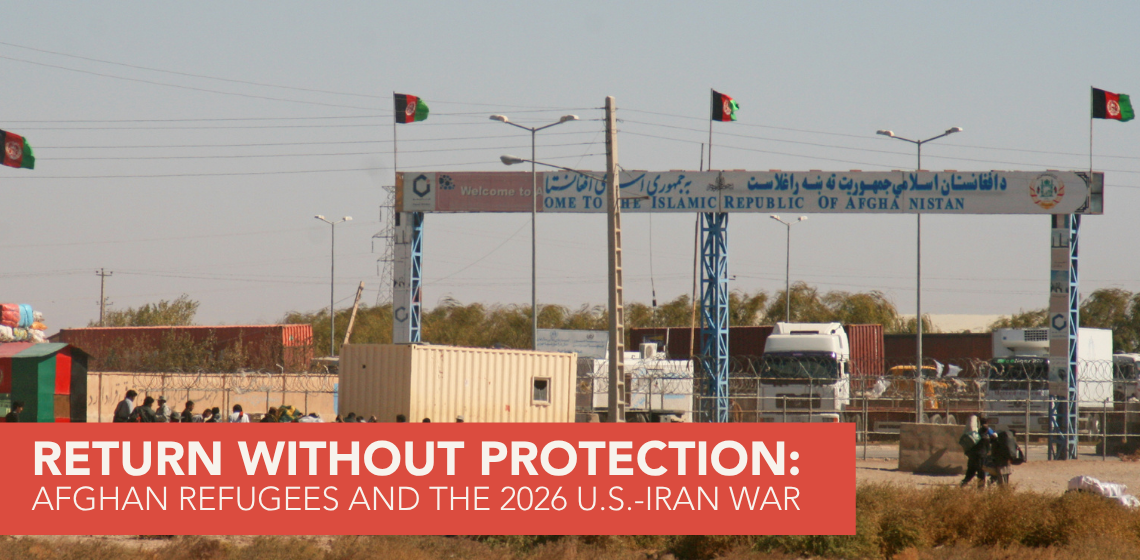
Edited by William Evans, Policy Analyst In February 2026, when the U.S.-Iran War first broke out, military and geopolitical dimensions...
READ FULL STORY
Today, USCRI is proud to launch Their Future, Their Voice: Centering Displaced Children in Global Protection and Policy, a new...
READ FULL STORY