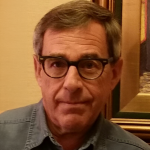








John Lippman brings to the USCRI board more than 30 years of experience as a journalist heading large domestic and international media organizations. Throughout his career, he has focused on covering vulnerable communities, including immigrants, refugees, and internally displaced people. He was writer and producer of two award-winning documentaries focused on the worldwide refugee and migration crisis, “Displaced” (VOA: Displaced) and “A Day in the Life of Refugees” (Bing Videos) . At the Voice of America from 2009 to 2025, he headed VOA programming, news, production, technical operations, research, internal consulting and content partnerships, leading a staff of more than 2,200 people producing content in 49 languages that reached more than 363 million people per week. Prior to VOA, he was Senior Vice President of News and Operations at Univision Television, the largest and most successful U.S. Spanish language media company, where for 15 years he was responsible for news and public affairs coverage that focused on Hispanic immigration to the U.S. and helping immigrants find a place in their new communities. A veteran of non-profit and government advisory boards, he has deep experience in communications and marketing, crisis response, strategy, and organizational governance. He is a graduate of Dartmouth College in Hanover, NH.
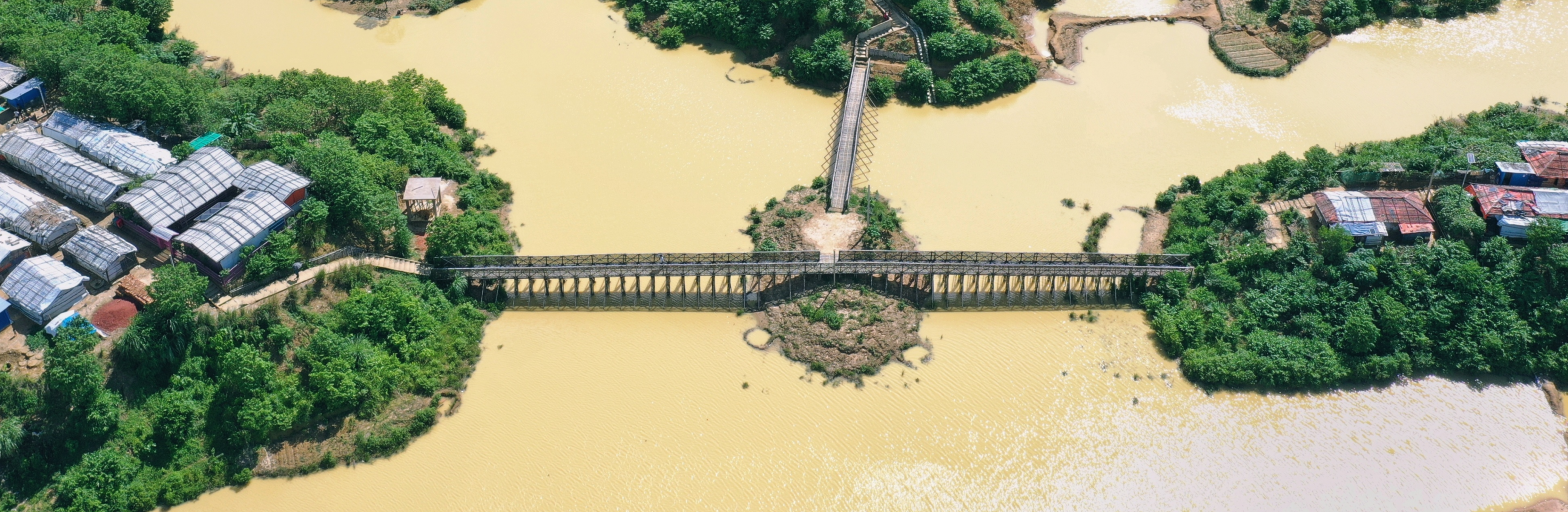
Refugees Twice Over: Climate Migration and ‘Double Displacement’
By: Alexia Gardner, USCRI Policy Analyst, and Anum Merchant, USCRI Policy Intern Extreme weather continues to drive new large-scale displacement, with 2024 ranked among the highest years recorded. From typhoons to droughts, climate-related disasters threaten people’s ability to sustain themselves in their homeland, forcing them to seek safety elsewhere. Marginalized communities, despite contributing little to the burning of fossil fuels, will disproportionately face the devastating effects of climate-related disasters. Refugees are among those most vulnerable to the effects of climate shocks. By 2050, the United Nations predicts that many refugee camps will be rendered nearly uninhabitable by extreme weather events. Refugees fleeing conflict and persecution desire a safe place to call home. Approximately 22 percent of the world's refugee population lives in camps. Refugee camps are settlements usually designed to provide temporary shelter to those fleeing...
READ FULL STORY