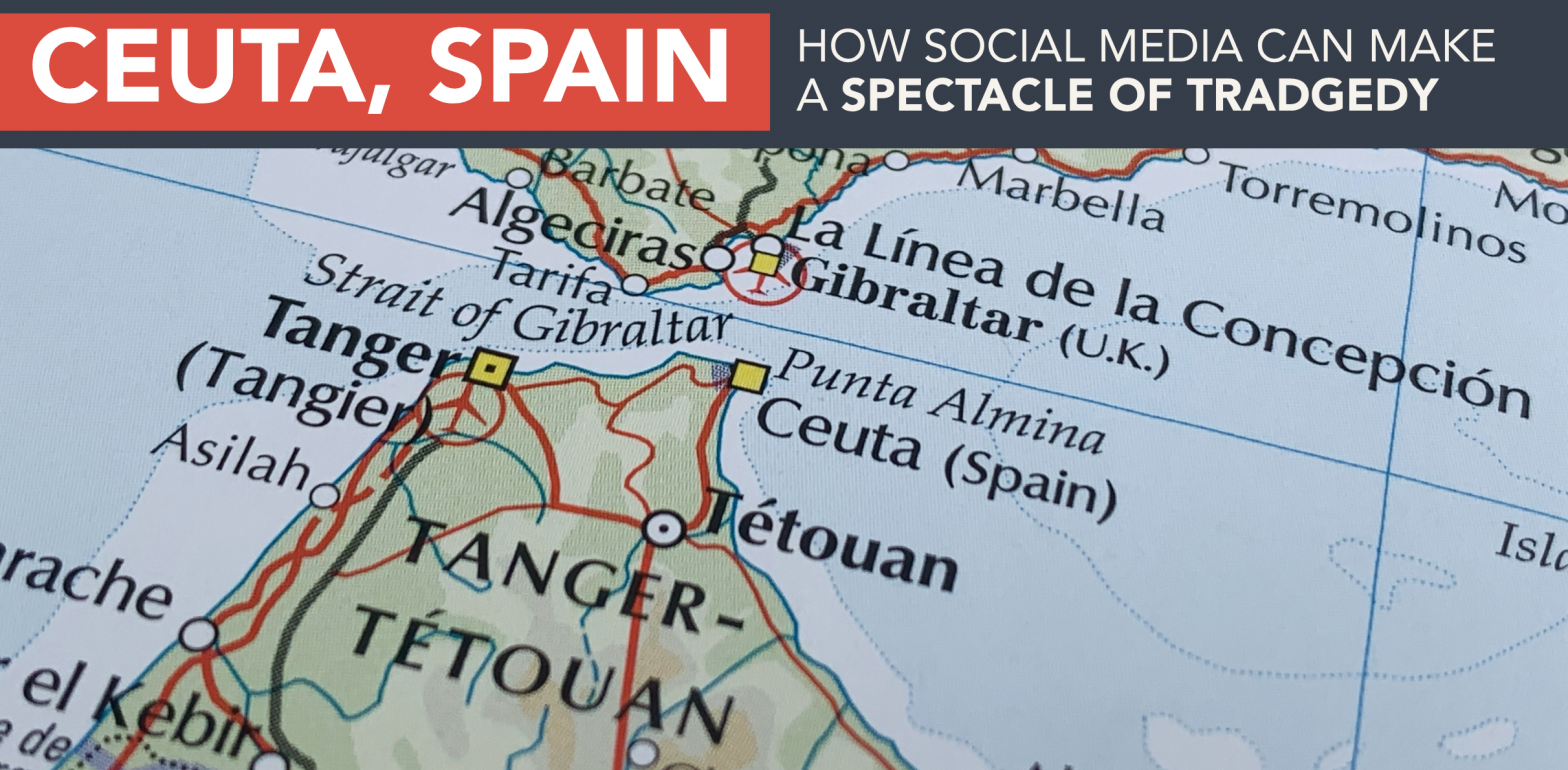
Ceuta, Spain – How Social...
In the weeks following the end of July 2026, the media has been flooded with pictures and videos of tens of thousands...
READ FULL STORY
Human trafficking, also known as trafficking in persons, is a heinous crime that involves the exploitation and coercion of individuals for various purposes, such as sexual exploitation. Victims and survivors can be subjected to physical and psychological abuse, with their basic human rights systematically violated. Despite ongoing efforts, human trafficking remains a pressing challenge.
Sex Trafficking
Sex trafficking is a form of human trafficking for the purpose of sexual exploitation. Survivors of sex trafficking include all races, genders, socioeconomic backgrounds, and nationalities, which means that not only women and girls can be victims and survivors of sex trafficking. Because victims may fear for their safety and well-being or have concerns about the criminal justice system, legal system, or other social services, sex trafficking is an underreported crime.
Definition of Sex Trafficking
The Trafficking Victims Protection Act of 2000 (TVPA), as amended (22 U.S.C. § 7102)—the first comprehensive U.S. federal law to address human trafficking—defines sex trafficking as:
Intersection of Vulnerabilities with Sex Trafficking
Nearly all trafficking stems from some sort of vulnerability. Human traffickers often target disadvantaged individuals with the fewest legal and social protections, exploiting their economic hardships, lack of education, or immigration status. Here are some examples of how sex trafficking can intersect with existing risk factors:
Addressing trafficking requires a holistic approach that tackles these root vulnerabilities. Preventive measures must include economic empowerment, anti-discrimination efforts, stronger social safety nets, and systemic reforms to create equitable access to opportunities and support services. By understanding the root causes of trafficking, we can create safer, more empowered communities.
If you suspect someone is in a potential trafficking situation, contact a relevant anti-trafficking organization, such as the National Human Trafficking Hotline: 1-888-373-7888, via text at 2333733, or USCRI’s trafficking services: 1-800-307-4712 or via email at [email protected] and/or [email protected]. Avoid confronting potential traffickers directly, as it may put the victim at greater risk. Reporting your suspicions to the appropriate authorities can help ensure a proper investigation and the safety of the individual.


In the weeks following the end of July 2026, the media has been flooded with pictures and videos of tens of thousands...
READ FULL STORY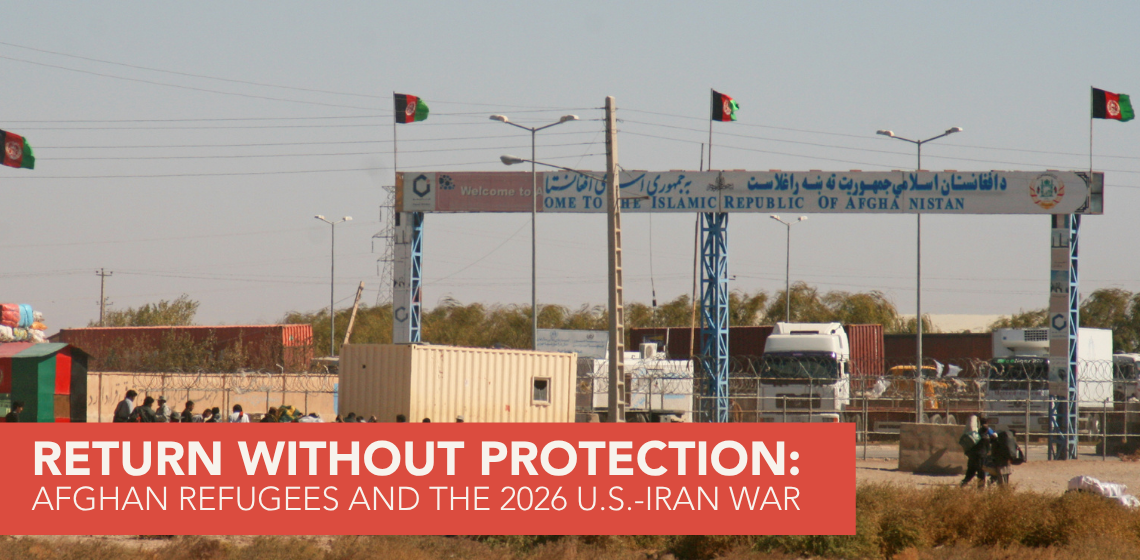
Edited by William Evans, Policy Analyst In February 2026, when the U.S.-Iran War first broke out, military and geopolitical dimensions...
READ FULL STORY
Today, USCRI is proud to launch Their Future, Their Voice: Centering Displaced Children in Global Protection and Policy, a new...
READ FULL STORY