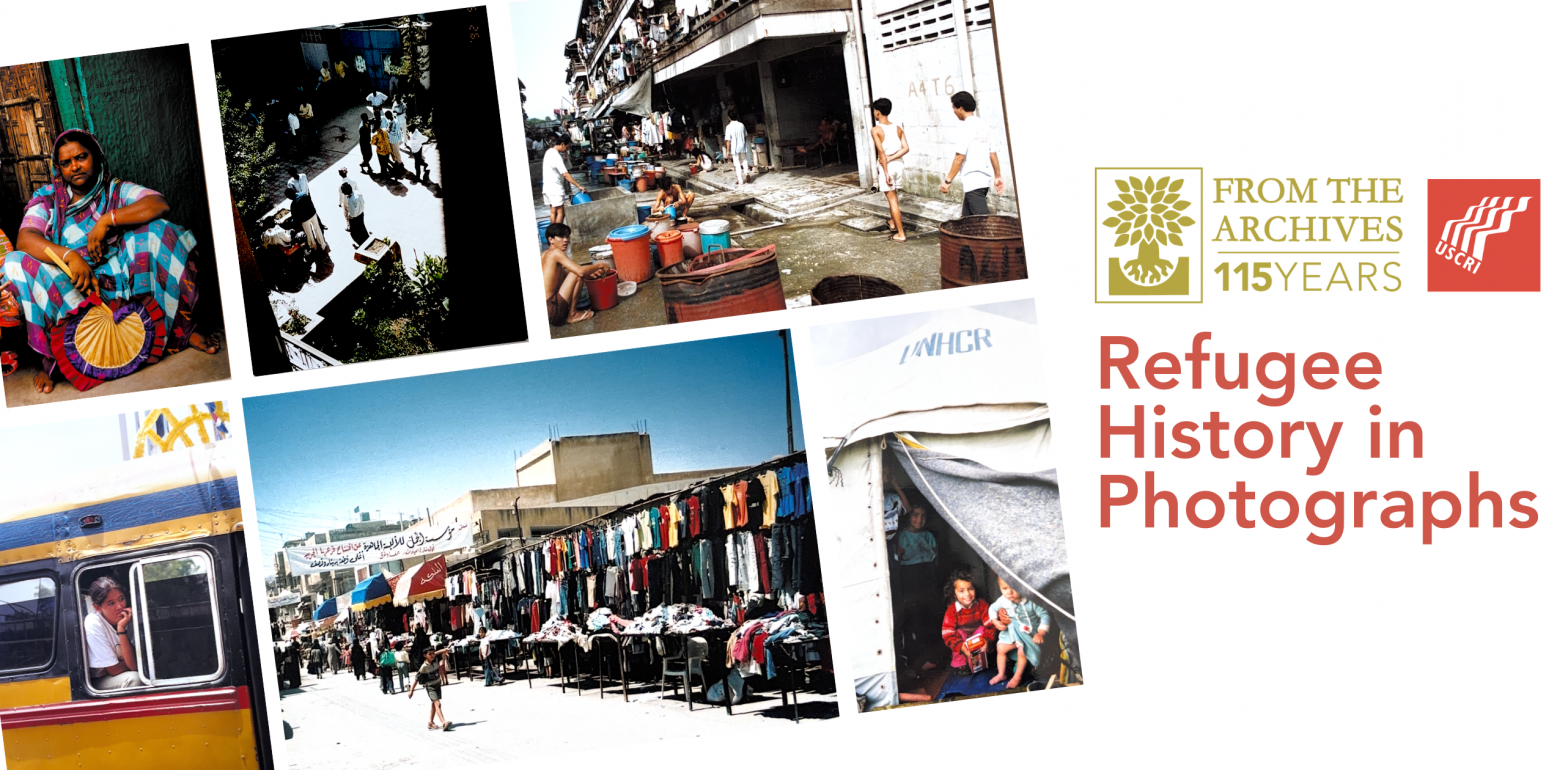
From the Archives: Refugee History...
"Let the atrocious images haunt us...The images [of suffering] say: This is what human beings are capable of doing—may volunteer...
READ FULL STORY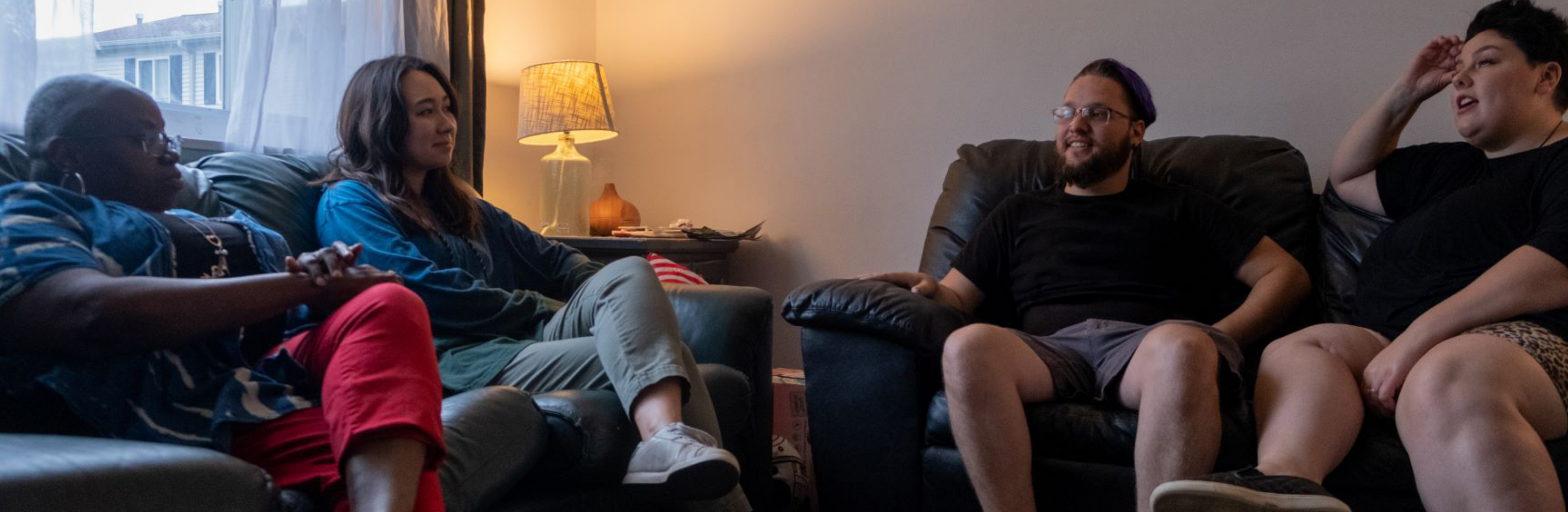
By Veronica Farkas, TVAP/Aspire Case Manager
My job as a Case Manager is a combination of advocacy, crisis response, and long-term support, as well as relationship building for those who have experienced severe trauma. I help survivors achieve safety, stability, and independence by connecting them to long-term housing, legal services, education, employment, and medical services. It’s rewarding to be able to advocate for my clients and assist with the public benefits process so they can move forward with their overall well-being.
Each case is different depending on the client’s needs and goals. I communicate with whoever referred the case to identify immediate needs and make sure the survivor knows that I will be in contact to initiate the intake process. During the initial assessment, I evaluate for needs, such as whether they are pursuing legal relief, continuing education, or looking for employment.
Most of my clients are new young mothers who are parenting or pregnant, seeking services for prenatal care and mental health services.
I also work to identify risks of ongoing trafficking, threats, or other concerns to help ensure the survivor’s safety. As a case manager, I refer and connect survivors to resources, coordinating services and responding to emergency needs such as hospital visits or shelter placement in their area.
If the case is higher needs, I collaborate with local partners to develop a care team, including therapists, attorneys, social workers, and healthcare professionals. It is crucial as a case manager to conduct and participate in case conferences, so the client can receive all-around support in reaching their goals. An important element for me is providing emotional support and creating a safe space for survivors to build trust. I strive to be understanding of their trauma responses to create a successful client-case manager relationship.
Assisting in reunifications is what makes this job worth it. In one case, a child was separated from the mother at birth for over a year. In another case, a mother was promised a great job in the U.S., but then could not see her daughter for many years. Being able to experience their reunification and helping them through this process felt meaningful and healing, which gives purpose to this work. This is how case managers serve our clients, helping survivors maintain hope and walking beside them to reclaim their lives.
As a case manager, I have had to learn how to navigate emotional weight and secondary trauma. Still, building meaningful, long-term relationships with clients and seeing the survivors I work with reclaim their stability and freedom is well worth the time and effort. Emotional resilience and the ability to tolerate uncertainty and slow progress are challenges on their own, but something I have learned to manage in each case.
I have also learned that every survivor just wants to be heard. Providing time and a safe space for them to speak emotionally about their life and dreams is incredibly important for them. We, as case managers, can then play a part in their lives by helping make their dreams and goals happen.
I want the world to know that this work is immensely powerful, but often very invisible. Working as a case manager carries a heavy emotional toll. This is the work that keeps people alive, restores dignity, and quietly holds broken systems together, especially when doors close on them. Human trafficking survivors are not passive victims waiting to be saved; my job is not to save them but to walk beside them, guiding them while they reclaim their lives. Serving them is an honor. I look forward to continuing our work to end human trafficking for good.
Veronica works in Atlanta, GA as a case manager providing services to survivors of trafficking. She’s been with USCRI since 2024 and has been working to support refugee and immigrant populations since 2019.
Learn more about USCRI’s Anti-Trafficking work and make a donation at: Human Trafficking | Immigration Relief for Victims by USCRI


"Let the atrocious images haunt us...The images [of suffering] say: This is what human beings are capable of doing—may volunteer...
READ FULL STORY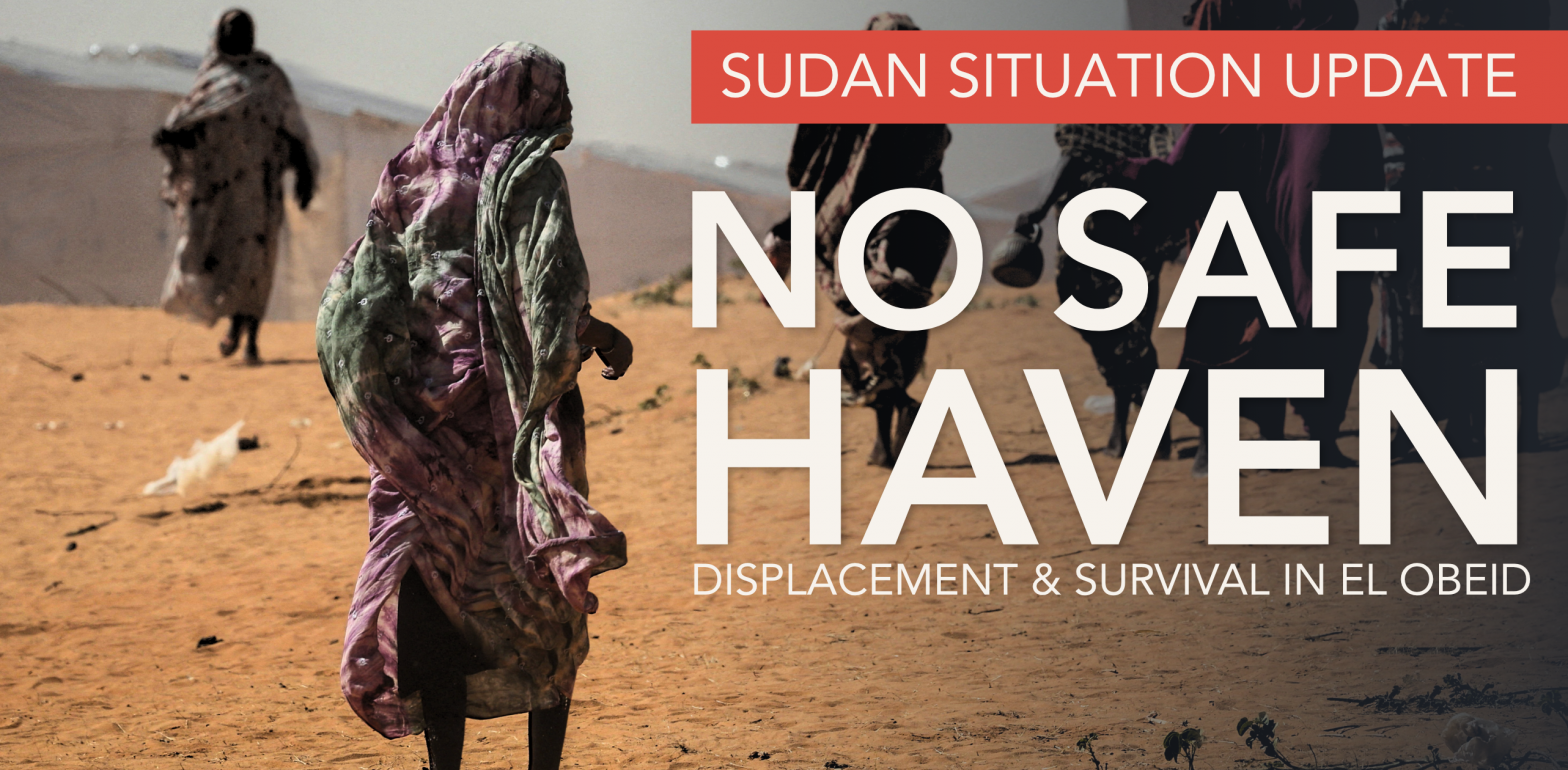
Sudan is now in its fourth year of war, and from the outset, civilians have borne the greatest costs. Since...
READ FULL STORY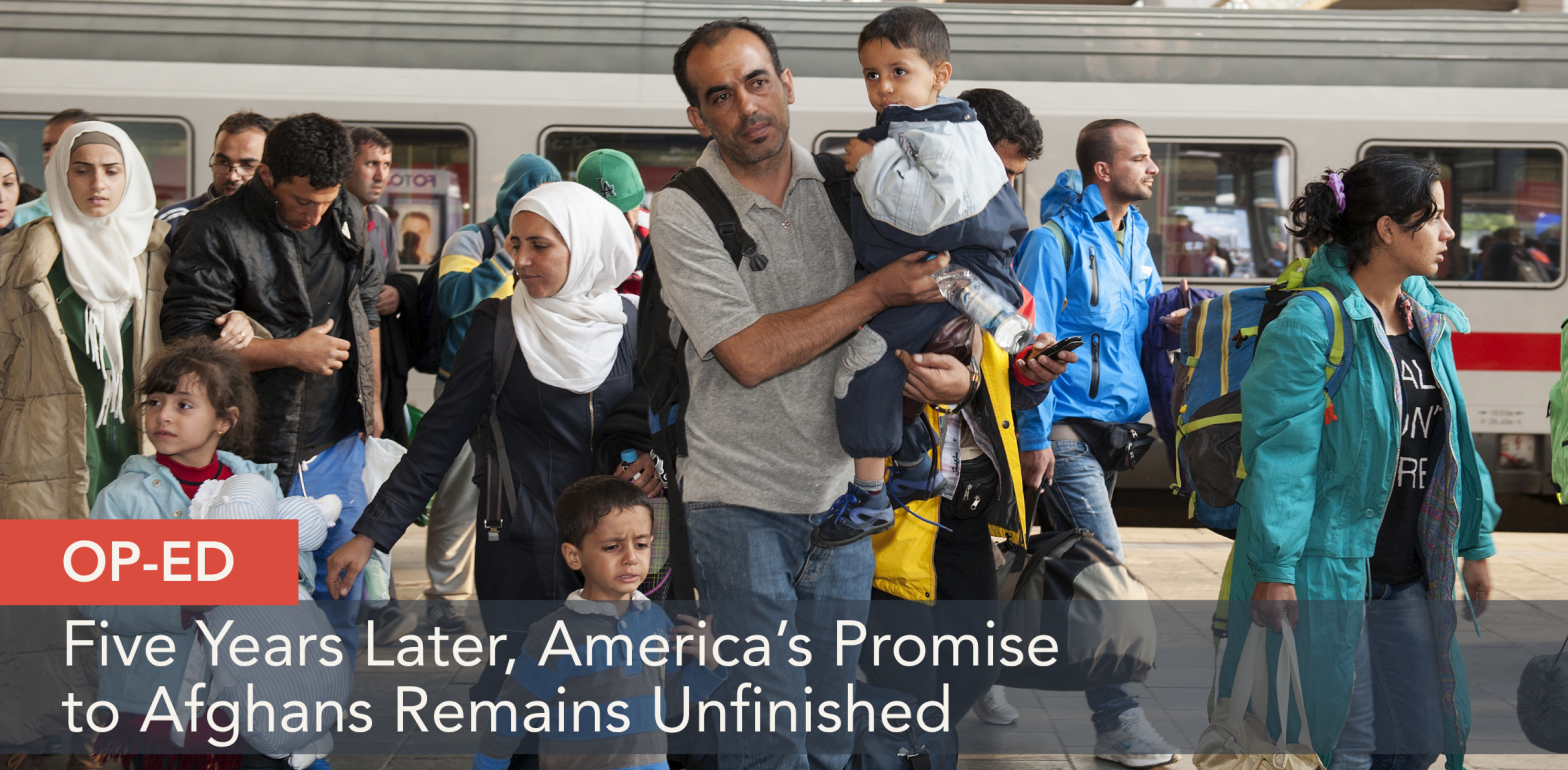
Five years ago, I turned to social media, asking people to help reunite four Afghan children with their mother in...
READ FULL STORY