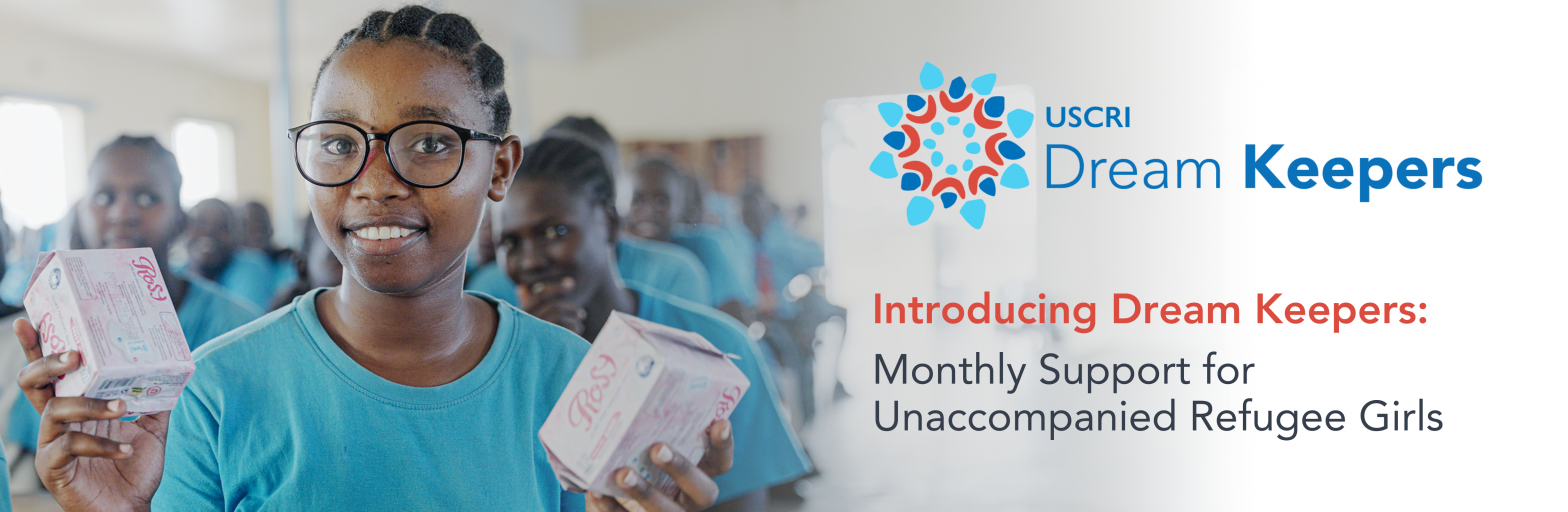
Introducing Dream Keepers: Monthly Support...
Kakuma Refugee Camp in northwestern Kenya is home to over 300,000 refugees. For the unaccompanied girls living there, daily life means navigating...
READ FULL STORY
By Vincent Viallard, Strategic Communications, Advocacy, and Mobilization Intern
On the International Day of Families, it is essential to shed light on an issue that often remains invisible: families separated by forced displacement, migration, and the risks associated with return in Central America and Mexico. The right to family unity, recognized under international human rights law and progressively developed within the international refugee protection regime, remains out of reach for thousands of people.
An alarming reality
In 2022, two out of every five asylum seekers worldwide came from Latin America and the Caribbean (DWB, 2023). Yet family reunification procedures — which are essential to preventing prolonged and traumatic separations — continue to face systemic barriers. Families flee violence, poverty, and persecution, only to become trapped in administrative labyrinths marked by high costs, income requirements, and restrictive definitions of family.
In the case of Mexico, current legislation limits family reunification processes primarily to certain degrees of specific family and blood relationships (Government of Mexico, 2016). Although the law allows for the reunification of relatives of recognized refugees within specific legal degrees — including blood relatives up to the fourth degree of the refugee and up to the second degree in the case of a spouse or common-law partner — this framework may exclude other relationships of economic, emotional, or caregiving dependency that are also part of the lived realities of forced displacement.
This is compounded by a recurring challenge: the lack of identity documents or proof of family ties, often lost, destroyed, or impossible to obtain due to forced displacement. In other cases, requesting documentation from the country of origin may place individuals at risk, who fled persecution or violence. This situation particularly affects stateless persons, children separated from their families, and adopted individuals, for whom proving family ties can become an almost insurmountable obstacle.
Across much of Central America, one of the main challenges affects people returned or deported from the United States or Mexico. Although legal frameworks and public policies aimed at protecting the right to family unity exist, deportation and return processes frequently lead to profound family separation. The detention or expulsion of one family member can trigger situations of trauma, insecurity, and economic hardship.
Moreover, many returned families find themselves in even more precarious conditions than those that initially led them to migrate, particularly due to debts incurred to finance the journey. As a result, many returnees are ultimately displaced within their own countries in search of safety or livelihoods (UNICEF, 2018).
Human and structural challenges
The number of unaccompanied children in the region continues to rise, reflecting the severity of the situation (DWB, 2023). Their vulnerability is exacerbated by slow and bureaucratic procedures, as well as disproportionate obstacles to proving family relationships in contexts of forced displacement. Time itself becomes a barrier: a child may reach adulthood while awaiting a decision and consequently lose access to certain family reunification mechanisms.
The forced separation of parents or caregivers not only has profound emotional consequences for families but can also push households into deeper economic and social vulnerability.
At the same time, there are initiatives that demonstrate alternative possibilities. Community-based programs and civil society organizations have supported efforts to facilitate access to visas and family reunification pathways for older adults and separated families, showing that institutional and community coordination can help reduce some of the existing barriers.
A legal framework that remains underused
Latin America possesses important legal tools to protect family unity. The Cartagena Declaration has consolidated family unity and reunification as fundamental principles of protection, while the American Convention on Human Rights and national legislation in countries such as Ecuador, Mexico, Peru, and Uruguay provide legal guarantees for its protection.
Likewise, the Inter-American Court of Human Rights has developed a broad and evolving interpretation of the concept of family, recognizing that it is not limited to the traditional nuclear model, but may also include relationships based on economic or emotional dependency — an important advancement that has yet to be fully reflected in practice (Inter-American Court of Human Rights, 2002). Indeed, the Court has incorporated the concept of dependency into its interpretation of family unity, helping ensure protection for vulnerable and less autonomous individuals by recognizing them as family members even in the absence of biological ties.
Despite these advances, restrictive interpretations and disproportionate barriers persist, including difficult documentary requirements, unnecessary evidentiary burdens, and limited deadlines for accessing simplified procedures.
A call to protect family unity
In response to this crisis, States and international organizations must:
Family represents one of the primary protection networks against vulnerability, especially for displaced persons, refugees, and returnees. On this International Day of Families, it is necessary to remember that family unity is not a privilege, but a fundamental human right.
The region possesses sufficient legal tools to protect this right; the challenge remains translating these commitments into accessible, flexible, and genuinely more humane and accessible systems.
References


Kakuma Refugee Camp in northwestern Kenya is home to over 300,000 refugees. For the unaccompanied girls living there, daily life means navigating...
READ FULL STORY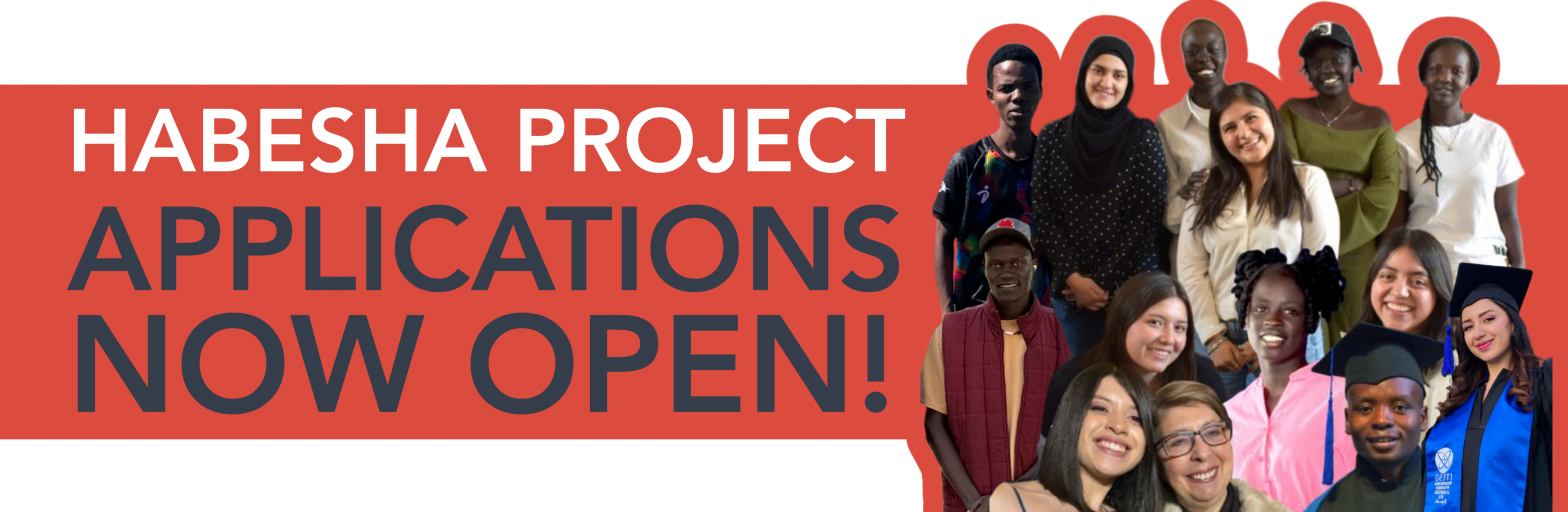
On May 1, USCRI Latin America and the Caribbean, together with the Shapiro Foundation, launched a new call for Habesha Project applications, reaffirming a shared...
READ FULL STORY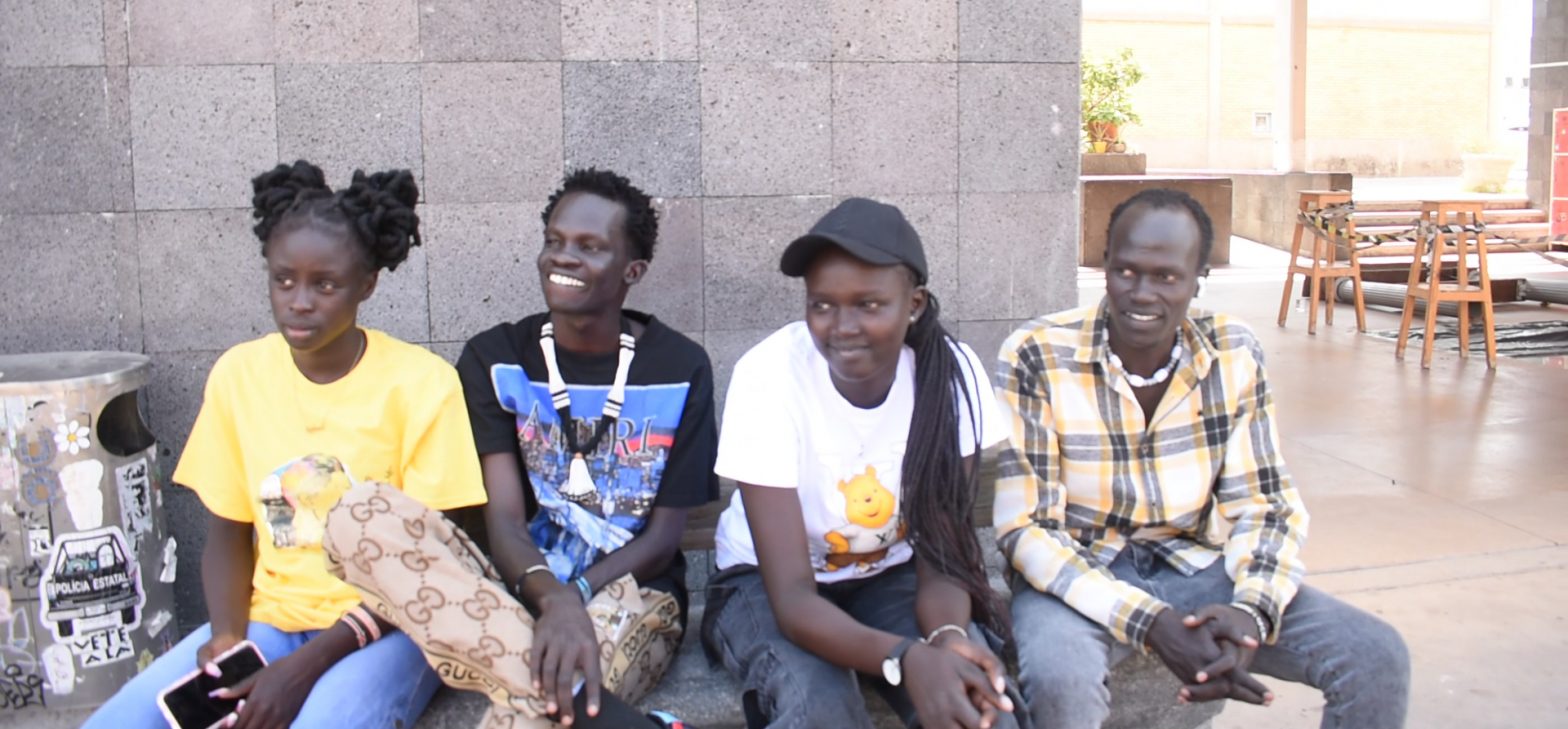
Mary, Taban, Yar and Nun – students of the Habesha Project – have built a new way to call "home"...
READ FULL STORY