
Community support for higher education...
To mark World Refugee Day, USCRI Latin America and the Caribbean brought together representatives from the education sector and civil society...
READ FULL STORY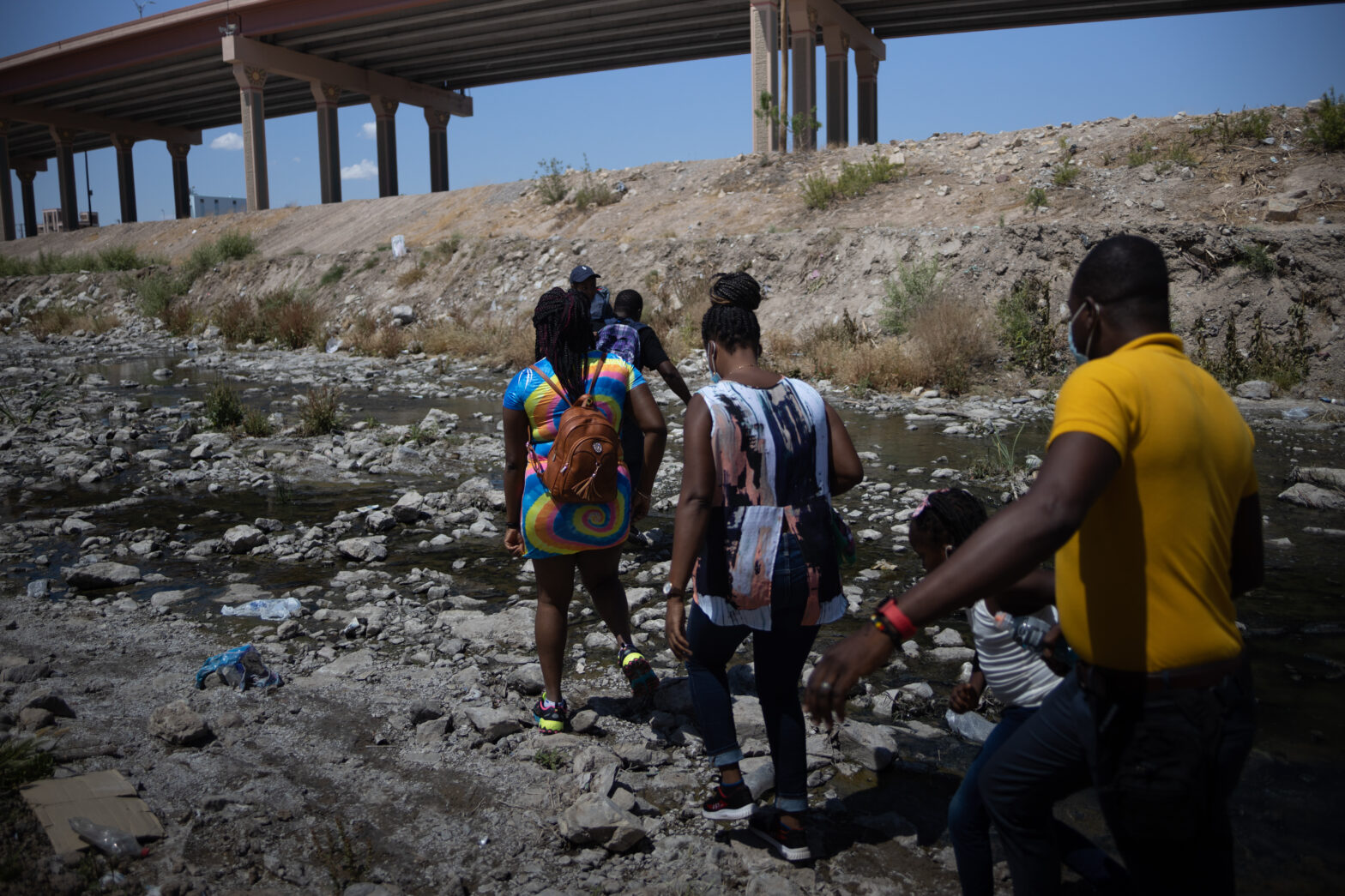
The current administration’s decision to not only reinstate, but to broaden Migrant Protection Protocols (MPP), also known as the ‘Remain in Mexico’ program, is a repudiation of U.S. immigration law and our country’s commitment to providing safety to individuals fleeing persecution. A Trump-era immigration policy, MPP was responsible for sending nearly 70,000 asylum seekers, primarily from Spanish-speaking countries in Central America, back across the Southern U.S. border into dangerous areas in Mexico to await their immigration hearings. While the current administration has publicly expressed its opposition to the program, its decision to reimplement it as early as December 6th contradicts that position, as the Texas district court’s injunction responsible for the program’s reinstatement did not specify a date on which it must go into effect. Additionally, this latest iteration has expanded protocols to “nationals of any country in the Western Hemisphere other than Mexico,” including non-Spanish-speaking migrants from Haiti, Jamaica, and Brazil.
The announcement of the current administration’s continuing of Title 42, an antiquated public health measure used to swiftly expel migrants at the border, subsequent to a 60-day review in November, raises auxiliary alarm bells. The implementation of Title 42 provisions results in direct violations of an individual’s fundamental right to seek asylum, seen most overtly in the case of Haitian asylum seekers earlier this fall.
“MPP and Title 42 have caused deep harm to tens of thousands of asylum seekers over the past year,” said Eskinder Negash, CEO and President of USCRI. “These policies were viewed as stains on the American immigration system when first implemented by former President Trump, and they remain as such today.”
USCRI urges the current administration to do everything in its executive power to end both measures in order to protect the rights and lives of migrants seeking safety and refuge in the United States.


To mark World Refugee Day, USCRI Latin America and the Caribbean brought together representatives from the education sector and civil society...
READ FULL STORY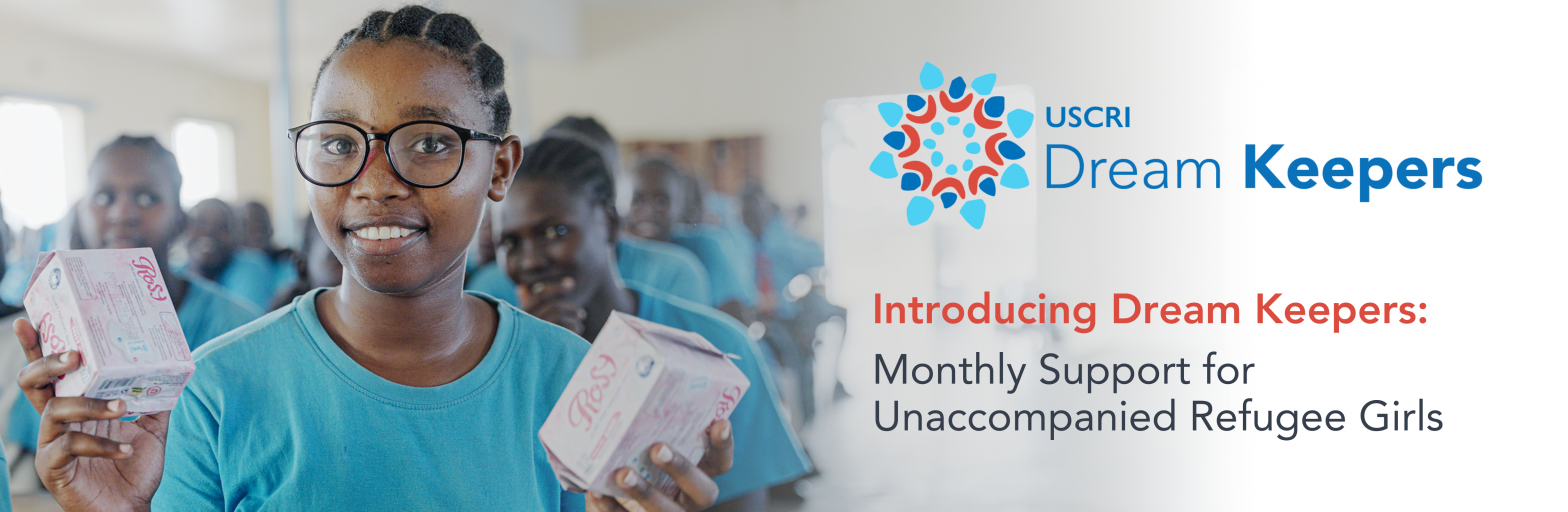
Kakuma Refugee Camp in northwestern Kenya is home to over 300,000 refugees. For the unaccompanied girls living there, daily life means navigating...
READ FULL STORY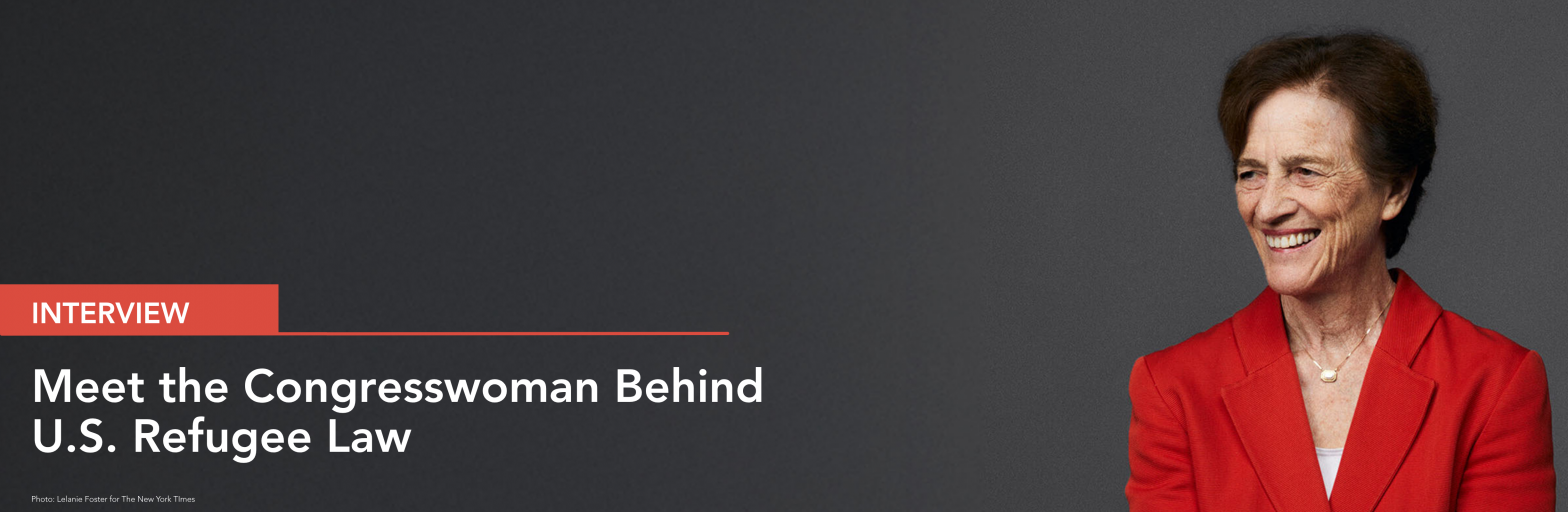
As Chair of the House Judiciary Subcommittee on Immigration, Refugees, and International Law, Congresswoman Elizabeth Holtzman steered the 1980 Refugee...
READ FULL STORY