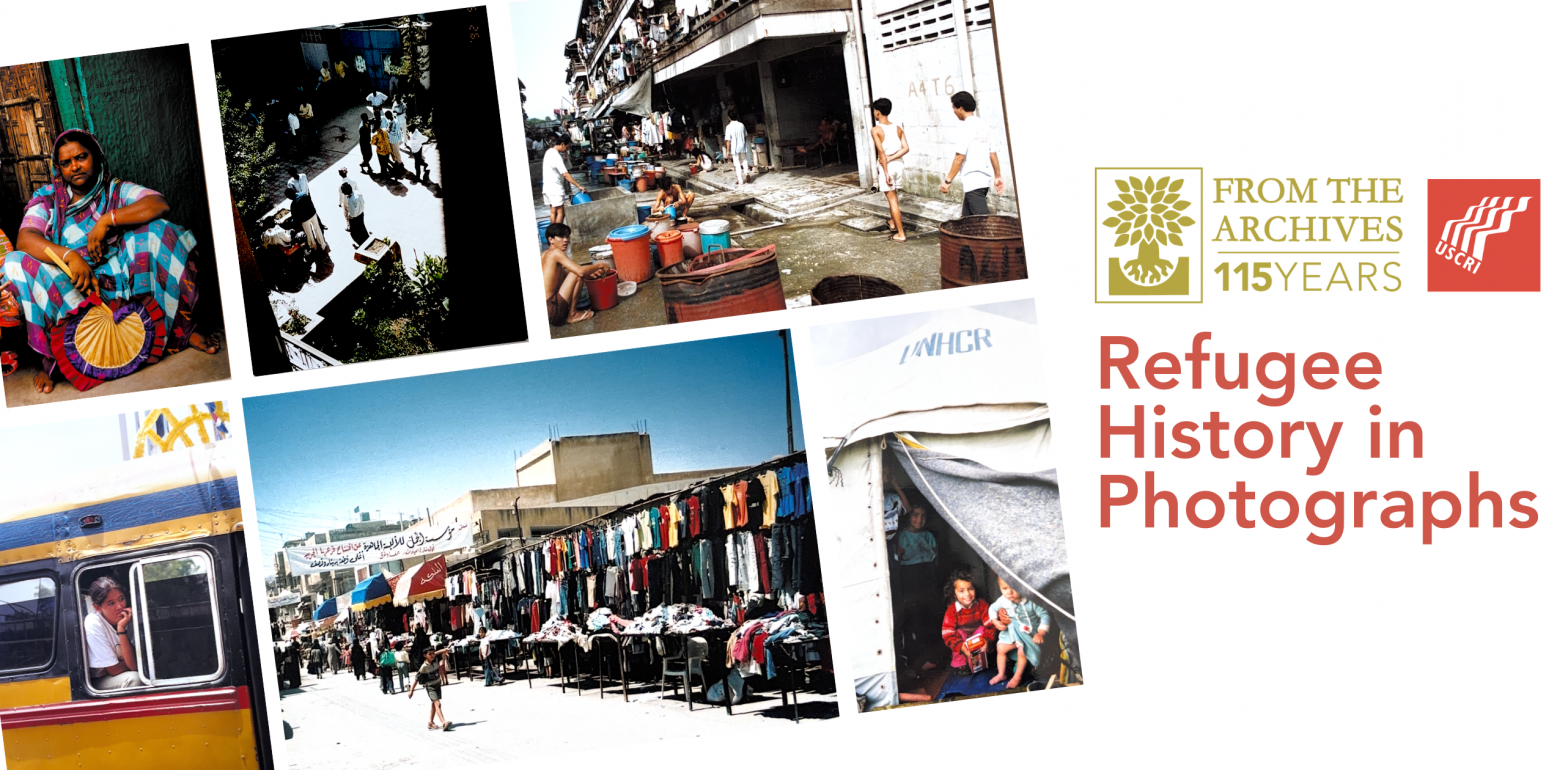
From the Archives: Refugee History...
"Let the atrocious images haunt us...The images [of suffering] say: This is what human beings are capable of doing—may volunteer...
READ FULL STORY
For more than a century, the U.S. Committee for Refugees and Immigrants has advocated for the rights and dignity of refugees, reporting regularly on harms committed against people on the move. For our 115th anniversary, we are turning to our archives, republishing historical material and pairing them with present-day reflections on how the lessons of the past still resonate today. Our archives reveal that the past holds a mirror to today’s unresolved challenges. Looking back, we see the moral clarity that past staff and contributors brought to condemning policies that endangered those fleeing persecution. Yet too often, that conviction has not guided the actions of policymakers and the international community in responding to the needs of refugees today. The lessons of history remind us of the need to act with the same urgency and compassion now.
Today, we know it was wrong to turn away the victims of the Holocaust, of the Vietnam War, of Rwanda. But our duty to help the refugees of today is no different from our duty to help those who came before. Today, we observe how many countries around the world still refuse to protect those seeking safety from today’s cruelties. Across the world, walls, both visible and invisible, have been erected, aiming to keep people out rather than fostering policies that provide both protection and welcome. Haitian asylum seekers are still intercepted in the Caribbean and returned to a country the United States has evacuated its own citizens from. Three generations of Sahrawi people live in the Tindouf camps, without access to adequate drinking water. The Sudanese civil war has uprooted more than eleven million people from their homes. These and so many other stories of displacement must be told.
Our moral duty is to the refugees whose stories are still being written: those who take dangerous journeys across land and sea with the hope for safety and a better future and the generations who wait in camps yearning for freedom and the chance to build a new life. While history offers moral clarity, the present too often provokes moral decay. We know the world can and must do better.
History repeats when fear outweighs compassion. Learning from the past means choosing empathy over exclusion, safety over walls, and humanity over indifference. By embracing the lessons of the past, we can chart a path toward a more just and welcoming future.
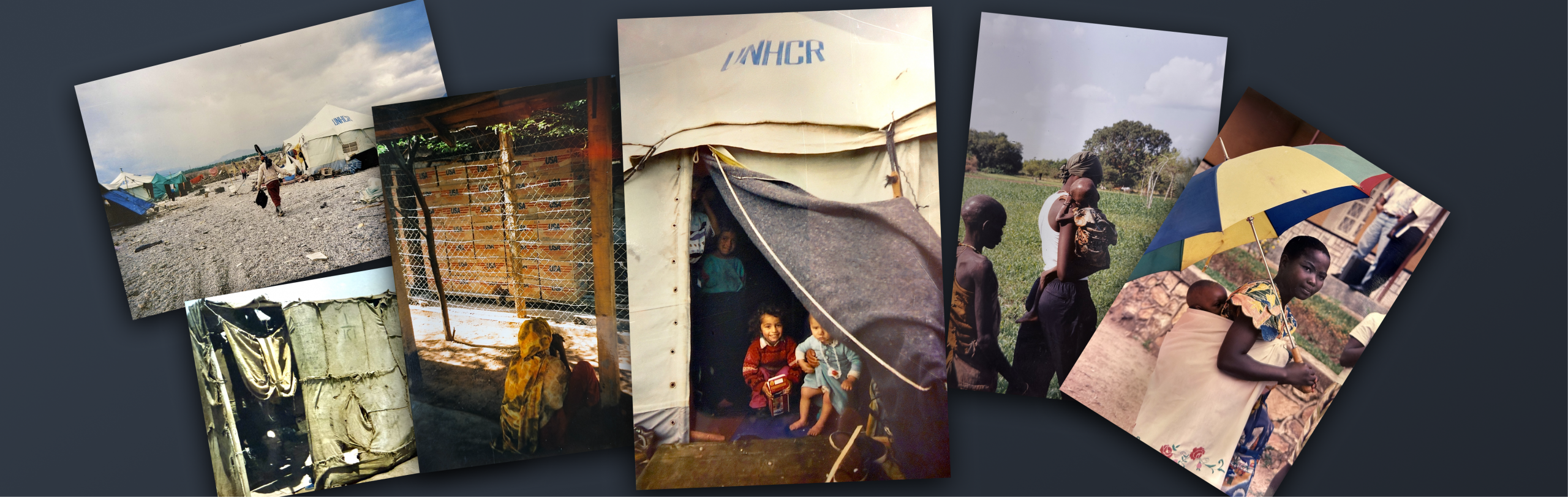


"Let the atrocious images haunt us...The images [of suffering] say: This is what human beings are capable of doing—may volunteer...
READ FULL STORY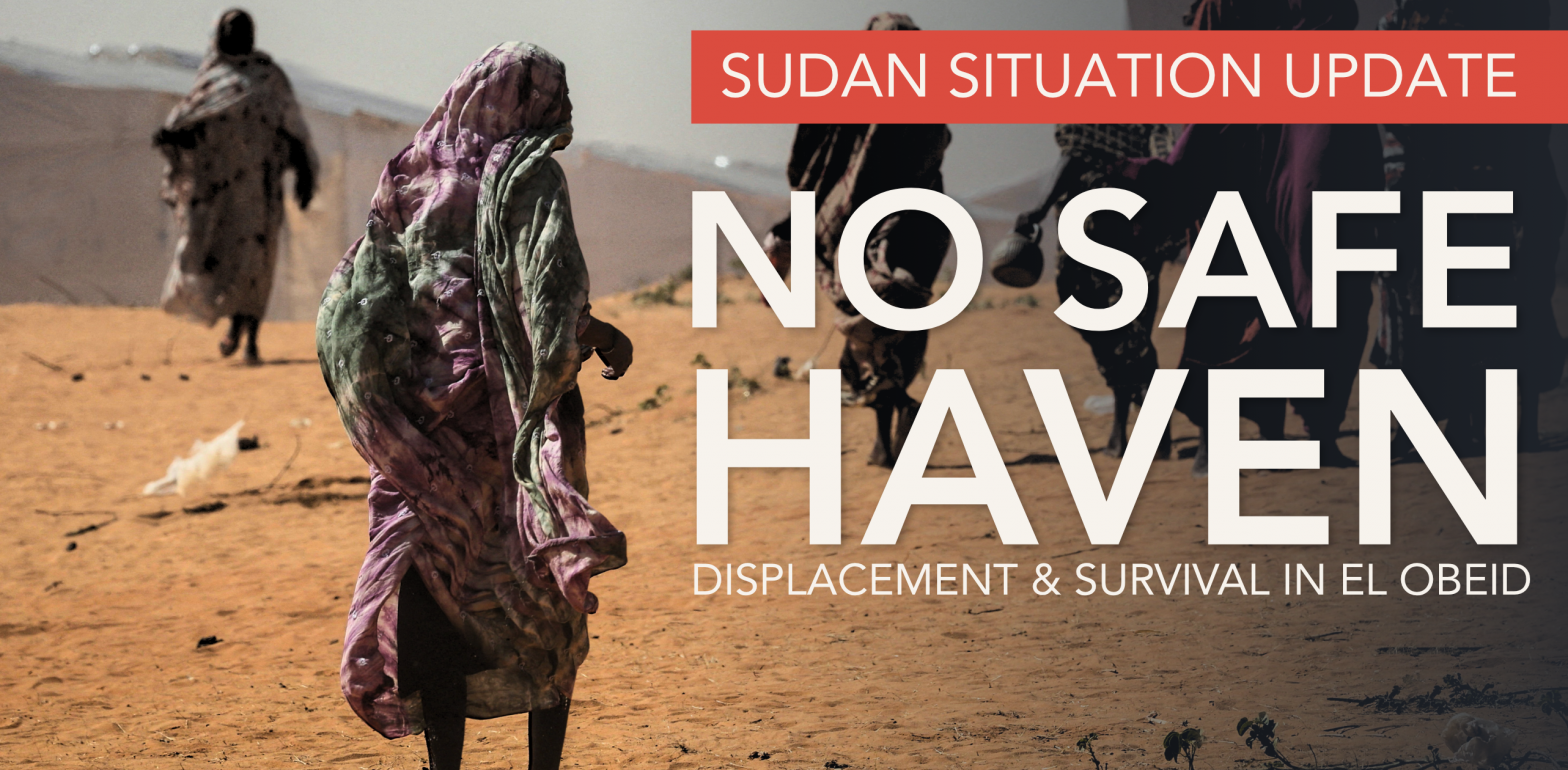
Sudan is now in its fourth year of war, and from the outset, civilians have borne the greatest costs. Since...
READ FULL STORY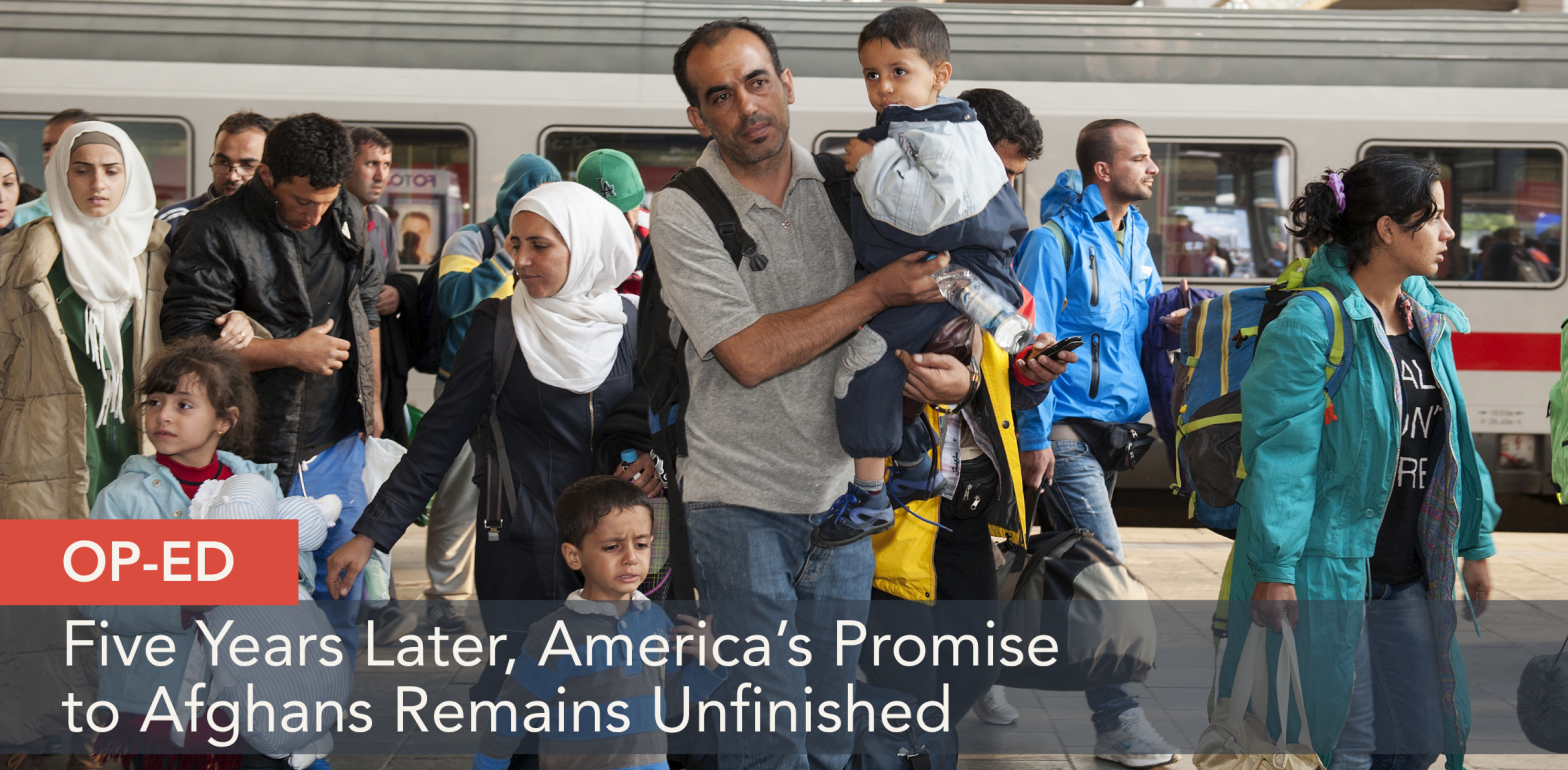
Five years ago, I turned to social media, asking people to help reunite four Afghan children with their mother in...
READ FULL STORY